
Reviewed · GEORGIAN FOOD TOURS
From Batumi: Cook Like a Local – Georgian Culinary Classes
Food tells Georgia’s story. This four-hour outing combines hands-on cooking with a close look at qvevri winemaking, making it more than a meal in the countryside. I like the chance to prepare Adjarian khachapuri, khinkali, and a traditional dessert yourself, then sit down to eat what you made. I also like the private-group format, which should feel more personal than a large class. The main consideration is time: four hours gives you a satisfying introduction, but not a full food tour of Adjara.
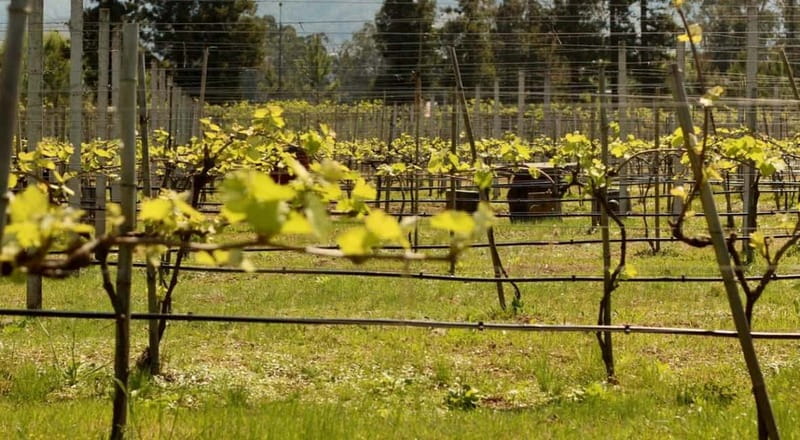
The setting, about 40 minutes from Batumi and surrounded by vineyards, adds real sense of place. You are not simply shown a plate of Georgian food. You learn how local wine is made, work in a kitchen, and share dinner around the table. A family of six, including one vegetarian, had dietary arrangements handled in advance, and praised the kind, informative guide and the food, wine, culture, and history covered along the way.
In This Review
- Key points to know before booking
- From Batumi to Adjara’s vineyard country
- Why qvevri wine matters in Georgia
- Making Adjarian khachapuri by hand
- Folding Georgian khinkali
- A traditional dessert completes the class
- Sitting down for the meal you prepared
- What the $88 price includes
- Who will enjoy this most
- Languages, timing, and cancellation
- FAQ
- How long does the Georgian cooking experience last?
- How far is the experience from Batumi?
- What dishes will I learn to cook?
- Is wine tasting included?
- Is dinner included?
- What is qvevri?
- Is the experience private?
- Which guide languages are available?
- Can I cancel for a full refund?
- Should you book this Georgian cooking class?
Key points to know before booking

- Qvevri wine comes first: Learn how large clay vessels buried underground shape traditional Georgian wine.
- Three cooking projects: Make Adjarian khachapuri, Georgian khinkali, and a traditional dessert.
- About 40 minutes from Batumi: The short transfer takes you from the city to a vineyard setting in Adjara.
- Private group experience: You get a more personal class rather than joining a large mixed group.
- Dinner and wine are included: Your cooking lesson ends with a shared feast and tasting.
- Useful language choice: Guides are available in English, Russian, Hebrew, Arabic, and Turkish.
From Batumi to Adjara’s vineyard country
The outing begins with transportation from Batumi to a rural setting in Adjara. The journey takes about 40 minutes, so you get a change of scene without giving up an entire day.
That timing is one of the tour’s practical strengths. You can fit the class into a Batumi stay without the planning and driving required for a longer countryside trip. At the same time, the route gives the experience a clear break from the city. You are heading toward vineyards, local food, and Georgian wine traditions rather than another urban attraction.
The exact transport details and meeting arrangements are not specified, so check the available starting time when you book. I would also leave a little flexibility around the four-hour schedule, especially if you have a dinner reservation in Batumi afterward.
More Food Tours in Batumi:
- Batumi: Mountain Adjara Tour & Traditional Georgian Feast
★ 5.0 · 9 reviews - Mountain Adjara Private Tour with Traditional Georgian Feast
★ 5.0 · 6 reviews - Batumi Khinkali: Hands-On Masterclass with a Local Master
★ 4.1 · 6 reviews
Why qvevri wine matters in Georgia
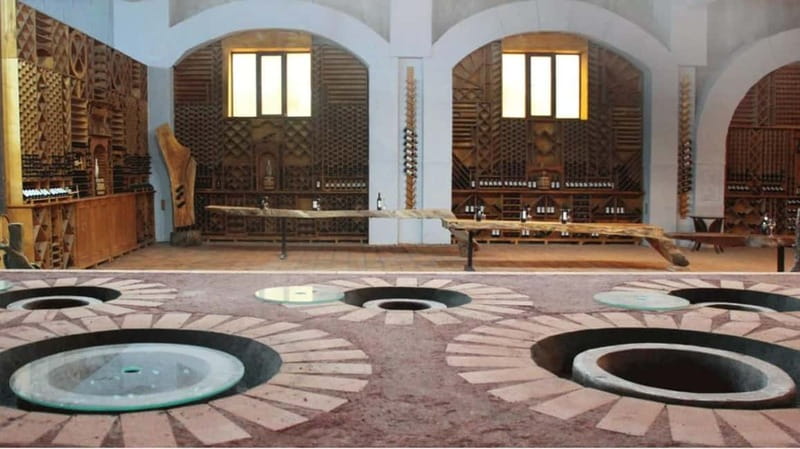
Before cooking begins, you explore Georgian winemaking and learn about qvevri. These are large clay vessels buried underground, an old method that helps shape the taste of traditional Georgian wine.
This part gives the meal useful context. Wine is not an afterthought here, and it is not treated as a generic tasting poured beside the food. You learn about the vessel and the method first, then taste the result. That makes the later dinner feel connected to the land and the local way of life.
The tasting is included in the price, so you do not need to budget separately for it. If you are mainly interested in Georgian food rather than wine, this section still earns its place because it explains an important part of the country’s dining culture. If you are a serious wine enthusiast, keep your expectations measured. The experience promises an introduction to qvevri traditions and a tasting, not a lengthy technical wine course.
Making Adjarian khachapuri by hand
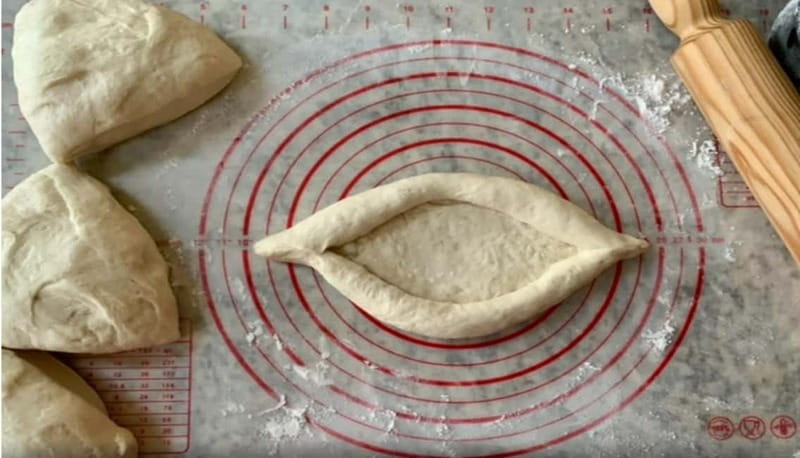
The cooking class includes Adjarian khachapuri, the boat-shaped cheese bread associated with Adjara. It is one of the region’s most recognizable dishes, and preparing it yourself gives you a better feel for the food than simply ordering one in a restaurant.
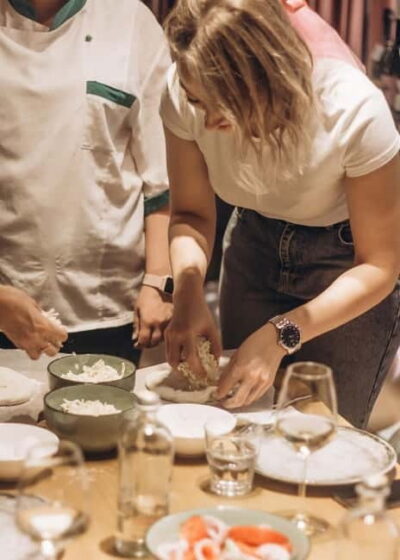
The class is designed around participation. You do not just watch a demonstration and then receive a finished plate. You take part in making the dishes, with the guide helping you understand the process. The precise class format is not described in detail, so you should expect practical instruction without assuming a formal culinary-school lesson.
For me, this is one of the strongest parts of the experience. Khachapuri is familiar to many people who visit Georgia, but a hands-on class turns it from a menu item into a cultural souvenir you can recognize and perhaps recreate later.
The practical value is also high for first-time visitors. Georgian menus can introduce several unfamiliar names at once, while this class lets you understand one famous dish from the inside out. You leave with a clearer sense of what you are eating and why it matters in Adjara.
Folding Georgian khinkali
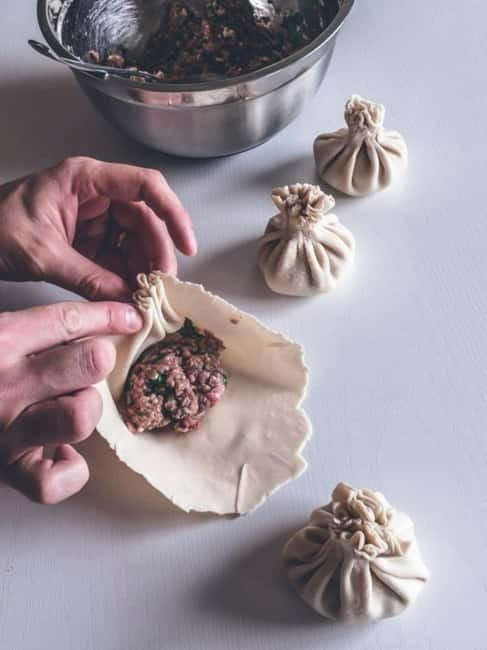
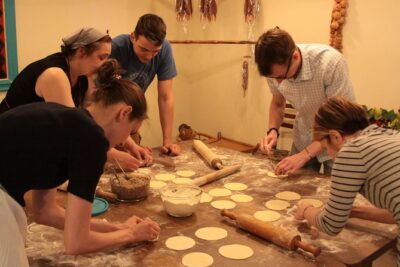
The second major cooking project is khinkali, the large Georgian dumpling. Learning to make it gives you another side of Georgian cooking, one that depends on shaping dough and preparing a flavorful filling.
Khinkali can look simple on the plate, but the folding is part of the craft. A class gives you time to focus on the shape and technique rather than trying to work it out from a rushed restaurant order. The guide’s role matters here, particularly for visitors who have never prepared Georgian food.
The course includes the ingredients and instruction as part of the overall experience. Since you make and eat the food during the same visit, there is no need to wonder if your handiwork turned out well. The final meal gives you the answer.
I would especially recommend this section for families and small private groups. A family of six took the class with one vegetarian, and the arrangements were made beforehand without trouble. That suggests the organizers can respond to dietary needs when you communicate them in advance. Still, you should provide those details before the day of the class rather than waiting until you arrive.
More things to do in Batumi:
- Batumi: Wine & Dine Tour To Waterfalls – Mountainous Adjara
★ 4.9 · 363 reviews - From Batumi: Martvili Canyon and Prometheus Cave Tour
★ 4.8 · 313 reviews - Batumi: Mtirala ATV, Buggy Maverick & Horse Riding Adventure
★ 4.8 · 213 reviews - The Best Tour From Batumi
★ 5.0 · 108 reviews
A traditional dessert completes the class
The cooking lesson ends with a traditional dessert. The exact dessert is not named, so you should not book this expecting a particular sweet. What is clear is that the class is planned as a full meal, not only a lesson in savory dishes.
That final course helps give the four-hour visit a natural rhythm. You begin with wine traditions, move into the main cooking work, and finish with a shared table. The dessert also means you can enjoy a complete Georgian-style meal without needing to find another place to eat immediately afterward.
Because the name and recipe are not provided, this is the one cooking element with the least detail available in advance. If a specific dessert is important to you, ask the provider before booking.
Sitting down for the meal you prepared
The culinary high point is dinner. After working with the guide and preparing the dishes, you gather around the table to eat, drink, and share the results.
I like this format because it gives the class a social finish. Cooking alone can feel like a task, but a shared meal turns it into an occasion. Georgian hospitality is part of the appeal, and the table is where the food, wine, conversation, and cultural explanation come together.
Dinner is included, as is the wine tasting. That improves the $88 value because you are paying for transportation, a guide, a private class, wine, and a substantial meal in one package. Comparable value depends on how much you would otherwise spend on a Batumi dinner, a wine tasting, and a trip into the countryside, but this combines all three without requiring you to arrange each piece yourself.
The meal also gives you a chance to judge the dishes in their proper setting. Adjarian khachapuri and khinkali are not just demonstrations. They become the center of the evening, prepared with your own hands and eaten with the group.
What the $88 price includes
At $88 per person, this is not the cheapest way to eat in or around Batumi. It is also not simply a restaurant meal. The price covers:
- Transportation
- A live guide
- Wine tasting
- Cooking instruction for khinkali
- Cooking instruction for Adjarian khachapuri
- A traditional dessert class
- Dinner
The value is strongest if you want several activities in one half-day. You avoid arranging transport, finding a vineyard visit, booking a cooking class, and locating dinner separately. You also receive a private-group experience, which can make the cost easier to justify for families, couples, and friends who prefer their own schedule and conversation.
The price may feel less attractive if you only want a quick meal or a basic wine tasting. In that case, Batumi restaurants and wine bars may cost less. But if you want to understand Georgian food and take part in preparing it, the class adds something a normal dinner cannot.
Who will enjoy this most
I would recommend this experience to visitors who want food to be a main part of their time in Georgia. It suits people who enjoy learning by doing, especially those who would rather prepare a dish than watch a staged demonstration.
Families are a good match. The private format keeps the group together, and the documented family of six included a vegetarian without difficulty after making arrangements ahead of time. Couples and small groups of friends should also appreciate the relaxed social structure.
The tour works well for first-time visitors who want a compact introduction to Georgian culture. In four hours, you cover wine, local cooking, a regional specialty, and hospitality. It is a lot of ground, but the subjects fit together naturally.
I would be more cautious if you need a highly technical cooking course, a named dessert, or a long wine education session. The available information points to a friendly cultural cooking experience, not advanced chef training. You should also confirm any dietary request in advance.
Languages, timing, and cancellation
Live guides are available in English, Russian, Hebrew, Arabic, and Turkish. That range is useful for private groups with different language preferences, though you should select or confirm the language you need when checking availability.
The total duration is four hours, and starting times depend on availability. Since the drive from Batumi takes about 40 minutes, the class is easy to add to a city itinerary, but you should avoid scheduling it too tightly against another activity.
You can cancel up to 24 hours before the experience for a full refund. The reserve-now-and-pay-later option also lets you hold a place without paying immediately, which is useful while you are still arranging your Batumi plans.
FAQ
How long does the Georgian cooking experience last?
The experience lasts four hours.
How far is the experience from Batumi?
The cooking and wine experience takes place about 40 minutes from Batumi.
What dishes will I learn to cook?
You will learn to make khinkali, Adjarian khachapuri, and a traditional dessert.
Is wine tasting included?
Yes. Wine tasting is included in the experience.
Is dinner included?
Yes. Dinner is included after the cooking class.
What is qvevri?
Qvevri are large clay vessels buried underground and used in traditional Georgian winemaking.
Is the experience private?
Yes. It is offered as a private-group experience.
Which guide languages are available?
Guides are available in English, Russian, Hebrew, Arabic, and Turkish.
Can I cancel for a full refund?
Yes. You can cancel up to 24 hours in advance for a full refund.
Should you book this Georgian cooking class?
Book it if you want a personal, food-centered outing that combines Adjara’s wine traditions with a proper shared meal. The strongest reasons are the private group, the short transfer from Batumi, the hands-on work with khachapuri and khinkali, and the fact that transportation, wine, instruction, and dinner are bundled into the $88 price.
I would choose this over a standard restaurant dinner when I wanted to understand Georgian food rather than simply eat it. Just confirm the starting time, language, and any dietary needs in advance, and ask about the dessert if that detail matters to you. For a half-day introduction to Georgian cooking and qvevri wine, it offers a warm and practical taste of Adjara.
Just added in Batumi
- Georgian Wine Tasting at Local Cellar in Batumi★ 4.7 · 5 reviews
- Tbilisi Airport to Gudauri, Bakuriani, Batumi, Tbilisi★ 5.0 · 3 reviews
- From Trabzon: Group Walking Tour through Batumi in Georgia★ 4.8 · 9 reviews
- Private Transfer to Batumi★ 5.0 · 1 review
- Tbilisi – Batumi Private Transfer★ 5.0 · 2 reviews
- Batumi 4 Days Tour★ 5.0 · 6 reviews
- 10-Day Tour to Georgia, Tbilisi: Caucasus Mountains and Black Sea★ 5.0 · 1 review
- Tbilisi-Kutaisi-Batumi Tour in Georgia 8 Days/7 Nights★ 5.0 · 2 reviews
Georgian Food Tours, compared.
Georgian Cooking Class with Khinkali and Khachapuri
Read our review →
Private Tbilisi Food Tour: 9 Tastings Walk in Bohemian District
Read our review →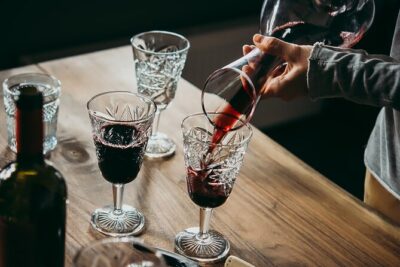
Small-Group Khinkali and Khachapuri Cooking Class in Tbilisi
Read our review →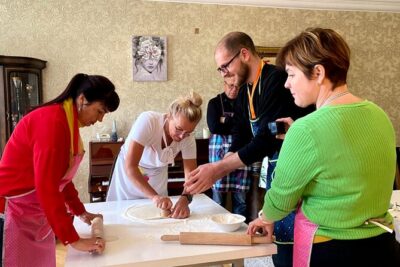
Cook True Ajarian Khachapuri and Khinkali in Highlanders Style
Read our review →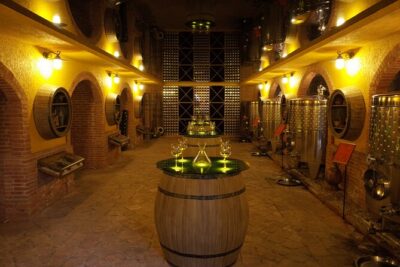
Old Town and Beyond: A Tbilisi Silk Road Feast with Culinary Backstreets
Read our review →
Taste of Kakheti: Wine Tour Bread Baking & Churchkhela Workshop
Read our review →Browse the lists this tour appears in