
Reviewed · GEORGIAN FOOD TOURS
Old Town and Beyond: A Tbilisi Silk Road Feast with Culinary Backstreets
Come hungry, leave better acquainted with Tbilisi. This seven-hour walk combines Georgian food, church history, old Silk Road neighborhoods, and small local businesses in a way that feels far more personal than a standard city tour. I especially like the small group of no more than seven people and the range of stops, from an underground Azeri tea house to a khinkali maker and an independent wine bar.
The guides are a major part of the appeal. Crystal, Kristo, and Maka have each been praised for linking food with Georgian customs and the country’s past, rather than simply naming dishes as they arrive. The main drawback is clear: seven hours of walking and eating is a serious commitment, and the $125 price will feel high if you want only a quick introduction to Georgian cuisine.
In This Review
- Why This Tbilisi Food Walk Is Different
- Starting at Waterfall Square in Tbilisi’s Old Town
- Sioni Cathedral and Monastery-Made Treats
- Freedom Square and Georgia’s Small-Scale Wines
- Anchiskhati Basilica, Tbilisi’s Oldest Church
- Shkmeruli Near the Rezo Gabriadze Marionette Theater
- Parliament and a Khinkali Master
- Metekhi Cathedral and the Artisanal Cheese Stop
- Finishing at Gvino Underground
- What $125 Buys You
- The Guides Make or Break the Day
- Who Should Book This Silk Road Feast?
- My Take: A Strong Choice for Food-Minded First Visits
- FAQ
- Where does the Tbilisi Silk Road Feast begin?
- What time does the tour start?
- Where does the tour end?
- How long does the experience last?
- How many people can join the tour?
- Is the tour offered in English?
- What food and drink are included in the route?
- Which churches are included?
- Is the tour suitable for most people?
- Can I cancel for a full refund?
Why This Tbilisi Food Walk Is Different
- Seven food and culture stops cover tea, monastery-made sweets, wine, chicken, dumplings, and cheese.
- A maximum of seven people keeps the walk intimate and makes it easier to ask questions.
- Guides such as Maka, Kristo, and Crystal bring together food knowledge, local stories, and Georgian history.
- The route crosses several historic areas, including Old Town, Freedom Square, and the streets near Parliament.
- Churches are part of the meal, with visits to Sioni Cathedral and Anchiskhati Basilica.
- The pacing mixes walking, sitting, tasting, and conversation, instead of turning the day into one long restaurant meal.
Starting at Waterfall Square in Tbilisi’s Old Town
The tour begins at 10:00 a.m. at Waterfall Square, at 21 to 23 Abano Street. This puts you right in Tbilisi’s Old Town, a useful starting point because the neighborhood introduces the city’s mix of religious traditions, trade routes, and tightly packed streets.
Your first stop is an underground Azeri tea house. It lasts about 30 minutes and has no separate admission fee. This is a smart opening. Tea gives you a gentle start before the heavier dishes arrive, and the setting points to the many communities that shaped Tbilisi’s food culture.
I like that the tour begins with a place that is not simply a famous monument. You get a taste of the city’s everyday cultural mix before moving toward its churches and better-known squares. The tradeoff is that this is a short stop, so you should not expect a long tea ceremony or a full meal at this stage.
The meeting point is in an old part of town, so check the address carefully before setting out. A mobile ticket is provided, and the tour is offered in English.
More Food Tours in Tbilisi:
- Tbilisi: Georgian Cooking Class with Khinkali and Khachapuri
★ 4.7 · 1,146 reviews - Private Tbilisi Food Tour: 9 Tastings Walk in Bohemian District
★ 5.0 · 227 reviews - Small-Group Khinkali and Khachapuri Cooking Class in Tbilisi
★ 4.5 · 224 reviews
Sioni Cathedral and Monastery-Made Treats
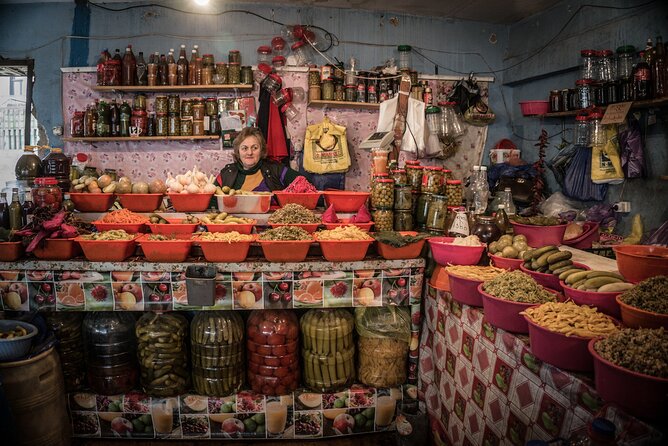
The route then moves to Sioni Cathedral Church, with about an hour devoted to the area and a church-run shop. The shop sells products made directly by Orthodox monasteries. These monastic communities have long kept artisanal food production alive, and the tasting gives you a chance to connect Georgian religious life with the food on your plate.
This is one of the more useful parts of the day because it adds context to sweets and preserved foods that might otherwise seem like random samples. Your guide explains what you are tasting and why monastery production matters. The focus is not only flavor. It is also the relationship between faith, craft, and local food traditions.
Sioni is an active religious site, so dress and behave respectfully. The supplied details do not specify a formal dress code, but modest clothing is a sensible choice for a church visit. The hour here also helps break up the walking and gives you time to listen.
If your main goal is to eat as many savory dishes as possible, this stop may feel slower. I think that slower pace is worthwhile, especially if you want to understand Georgian food beyond the familiar restaurant menu.
Freedom Square and Georgia’s Small-Scale Wines
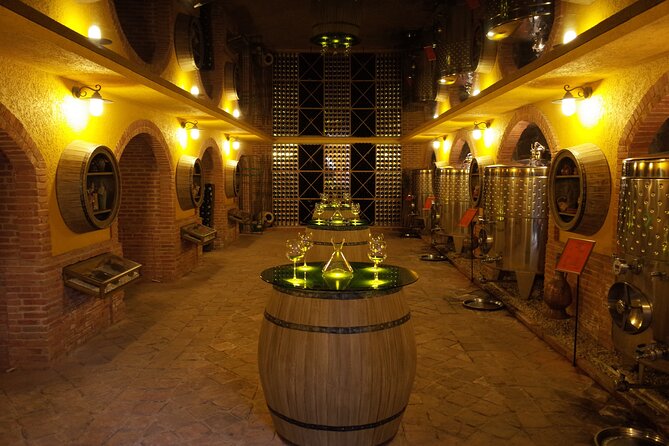
Near Freedom Square, the group heads into back streets for a wine tasting at an unusual wine bar. The tasting focuses on wines from small-scale Georgian producers and lasts about an hour.
Georgia is closely tied to the history of wine, and this stop gives the subject a practical shape. Instead of treating wine as a quick drink at the end of lunch, the guide can explain the differences among producers and help you pay attention to the character of each glass. The small-producer focus also fits the tone of the tour, which favors local businesses over a simple parade of major sights.
This is scheduled as the third stop, so you will have already eaten a little before tasting. That matters. Still, wine affects people differently, and pacing yourself is wise. The tour includes plenty of food later, so you do not need to drink every pour quickly.
The wine stop is also where the route feels most clearly tied to the old Silk Road idea. Tbilisi has long been a meeting point for people, goods, and customs. Here, that story arrives through regional wine rather than a museum display.
Anchiskhati Basilica, Tbilisi’s Oldest Church
Anchiskhati Basilica receives about 45 minutes. It is presented as the oldest church in Tbilisi and is one of the key architectural and cultural sites along the route.
The visit gives the day a needed pause from eating. Georgian churches are not just scenic backdrops. They help explain the country’s religious identity and the place of Orthodox traditions in daily life. With a guide who can connect architecture to the city’s past, you get more from the basilica than you would by walking past it with a camera.
I also like the order here. After tea, sweets, and wine, the church offers a quieter stretch before the next food stop. The tour is not trying to cram every sight into one rushed hour. It allows time for a proper look.
Keep in mind that the tour’s descriptions also identify Metekhi Cathedral as an important church later in the route. Anchiskhati is the church specifically described as the oldest, while Metekhi is another major cathedral passed during the walk.
More things to do in Tbilisi:
- Tbilisi: Day Trip to Kazbegi, Gudauri, Gergeti, and Ananuri
★ 4.9 · 3,203 reviews - Day Trip to Kakheti Wine Region Including 9 Wine Tastings
★ 5.0 · 2,774 reviews - Highlights of Caucasus Mountains-Jinvali,Ananuri,Gudauri,Kazbegi(Group tour)
★ 5.0 · 2,682 reviews - From Tbilisi: Kakheti Wine Region Tour with 9 Wine Tastings
★ 4.9 · 2,541 reviews
Shkmeruli Near the Rezo Gabriadze Marionette Theater
Near the Rezo Gabriadze Marionette Theater, you sit down for shkmeruli, a sizzling chicken dish and a central part of a Georgian feast. This stop lasts about 45 minutes.
Shkmeruli is a useful dish for understanding the hearty side of Georgian cooking. It is not a small nibble or a decorative tasting. The sizzling presentation signals that you are moving into a more substantial part of the meal, and it helps explain why the tour warns you to come hungry but not overeat beforehand.
The theater adds another cultural marker to the route. You are not visiting it as a performance, based on the information provided, but its presence gives the stop a strong sense of place. Food and theater occupy the same neighborhood, and the tour uses that setting well.
This is one point where the total length becomes important. By the time you reach the chicken, you have already tasted several things and spent hours walking. Wear comfortable shoes and resist the temptation to treat every early sample as a full serving. The food is designed to add up.
Parliament and a Khinkali Master
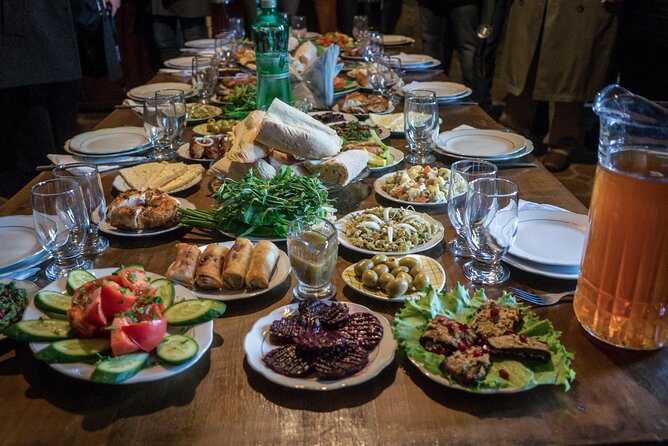
The next hour takes you near the Parliament of Georgia, where you meet a khinkali master and sample freshly made dumplings. Khinkali is one of Georgia’s best-known foods, but the value here is in seeing the skill behind it rather than ordering a plate without context.
The tour information describes the maker as a woman who specializes in the dumplings. Your guide can explain the different varieties and how they fit into Georgian cooking. This is exactly the kind of detail that turns a familiar dish into something more memorable.
Khinkali can be filling, so this is another reason to avoid breakfast before the tour. One of the most consistent lessons from the experience is that you do not need a separate lunch or dinner afterward. The food is plentiful enough to carry you through the day.
The Parliament area also changes the feel of the walk. You are no longer only in the oldest lanes. The route links major civic space with a personal food stop, which helps you see Tbilisi as a living capital rather than a preserved historic quarter.
Metekhi Cathedral and the Artisanal Cheese Stop
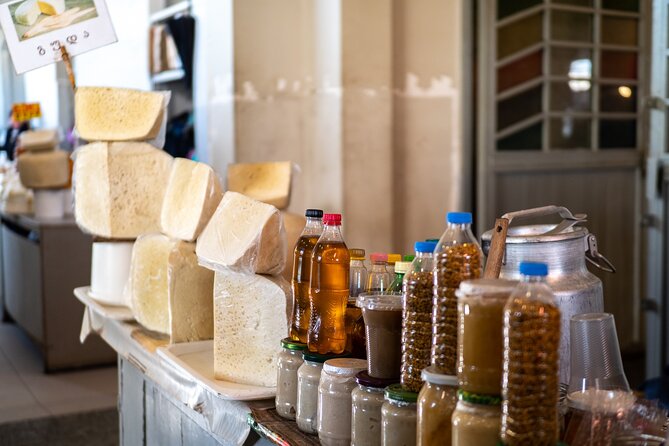
Near Metekhi Cathedral, the group passes another important Tbilisi church on the way to an artisanal cheese shop. The cathedral is described as stunning, and the stop gives you another chance to connect the city’s religious landmarks with its food traditions.
The cheese tasting lasts about 30 minutes. It is a shorter stop, but it arrives late in the day when a modest tasting may be welcome after chicken, dumplings, sweets, and wine. Georgian cheese can vary widely, and the point here is to try products from a specialist shop rather than treat cheese as a side dish.
This part of the route also shows the range of Georgian food. The tour is not built around one famous dish. It moves from tea to sweets, wine, chicken, dumplings, and cheese. That variety is one of its strongest features.
The walking route may feel tiring by now. The experience does not appear designed for people who want a seated food tour with short transfers. You move through the city on foot, and the mix of stops is part of the price.
Finishing at Gvino Underground
The tour ends at Gvino Underground, at 15 Galaktion Tabidze Street. The listed end point is different from the starting point, so plan to finish your sightseeing from there rather than expecting to return to Waterfall Square.
This final location also makes sense after the day’s tastings. You have spent the morning and afternoon learning about food in several settings, then finish in a wine-focused place. The route closes near the same sort of small-scale wine culture introduced earlier, giving the day a clear thread.
The tour is scheduled for approximately seven hours, though one review described it as six hours. I would plan your day around the full seven-hour duration. That leaves room for stops, conversation, and the pace of a small walking group.
What $125 Buys You
At $125 per person, this is not a budget food walk. The value depends on how you use it.
You are paying for a full day with multiple tastings, wine, food at several stops, a small group, and a guide who explains the dishes and the city. You also avoid spending time guessing which places are worthwhile. If you tried to recreate the route yourself, you would need to find the tea house, monastery shop, wine bar, chicken stop, dumpling maker, and cheese shop, then arrange the timing and understand what you were eating.
I think the price makes the most sense for first-time visitors who want food and culture in one experience. It is less compelling for someone who has already spent several days eating through Tbilisi and prefers independent discovery.
The group limit of seven matters here. A tiny group can move through back streets more easily, and you can ask direct questions without competing with a crowd. The high rating of 4.9 from 62 reviews and the 97 percent recommendation rate support the idea that the experience delivers strongly for its intended audience, though no rating can guarantee that every dish will suit your taste.
The Guides Make or Break the Day
The strongest praise centers on the guides. Crystal was described as passionate about both Georgian food and the country itself, while Kristo was praised for turning the tour into a lesson in history, restaurants, and local tastes. Maka was especially praised for explaining different varieties of dishes and for balancing food knowledge with history and culture.
That is important because this tour is not simply a list of tastings. The same dumpling or wine can feel ordinary if nobody explains it. A good guide gives you the background, helps you notice differences, and makes the walk feel like a conversation rather than a schedule.
The guide names also suggest that the exact personality of the day may vary. You may be led by Maka, Kristo, Crystal, or another member of the Culinary Backstreets Walks team. The supplied information does not guarantee a particular guide, so book for the format and subject matter rather than one individual.
Who Should Book This Silk Road Feast?
I would choose this tour if you:
- Want a strong first introduction to Georgian food.
- Prefer small groups to large coach tours.
- Like learning the story behind a dish.
- Enjoy walking between meals and landmarks.
- Want to try more than khinkali and khachapuri.
- Have one day in Tbilisi and want food plus sightseeing.
It also suits couples and curious solo visitors. One review praised the balance of walking, learning, and eating, and that is a fair description of the structure.
I would think twice if you have limited mobility, a very small appetite, or little interest in churches and local history. The supplied information says most people can participate and that service animals are allowed, but it does not provide a detailed accessibility assessment. The route includes several stops across Old Town and beyond, so ask the operator for current walking details if that is important to you.
The experience requires good weather and a minimum number of participants. If poor weather or low enrollment cancels it, you are offered another date or experience, or a full refund. You can cancel for a full refund up to 24 hours before the start time. Changes or cancellations inside that window are not accepted.
My Take: A Strong Choice for Food-Minded First Visits
I recommend Old Town and Beyond if you want to understand Tbilisi through what people eat, drink, preserve, and share. The churches and civic landmarks give the route shape, while the tea house, monastery shop, wine bar, dumpling maker, and cheese shop keep it tied to local life.
The best reason to book is the combination of variety and explanation. You do not just sample one famous Georgian dish. You get a full sequence, with enough stories to remember what you tasted and where it fits.
Book it early if your schedule is fixed. The experience is booked an average of 44 days in advance, which suggests that popular dates can fill well ahead of time. Pick this tour when you can spare the whole day, arrive ready to eat, and want Tbilisi to be more than a collection of pretty old streets.
FAQ
Where does the Tbilisi Silk Road Feast begin?
It begins at Waterfall Square, 21 to 23 Abano Street, in Tbilisi’s Old Town.
What time does the tour start?
The start time is 10:00 a.m.
Where does the tour end?
It ends at Gvino Underground, 15 Galaktion Tabidze Street, Tbilisi.
How long does the experience last?
The tour lasts approximately seven hours.
How many people can join the tour?
The group has a maximum of seven participants.
Is the tour offered in English?
Yes. The experience is offered in English.
What food and drink are included in the route?
The route includes tea, monastery-made treats, Georgian wine, shkmeruli, freshly made khinkali, and artisanal cheese.
Which churches are included?
The route includes Sioni Cathedral Church and Anchiskhati Basilica. It also passes by Metekhi Cathedral.
Is the tour suitable for most people?
The supplied information says most people can participate. It also states that service animals are allowed and that the tour is near public transportation.
Can I cancel for a full refund?
Yes. You can cancel at least 24 hours before the start time for a full refund. Poor weather or failure to meet the minimum number of participants may also lead to a different date, another experience, or a full refund.
Just added in Tbilisi
- Wine Tasting feel the Difference of Qvevri or Classical Wine★ 4.4 · 10 reviews
- From Tbilisi: Kakheti and Kazbegi 2-Day 4X4 Jeep Tour pack★ 5.0 · 6 reviews
- Walking Tour in Old Tbilisi – Group Tour★ 4.5 · 8 reviews
- Uforgatable Kakheti Tour with wine tasting – in Georgia★ 4.9 · 5 reviews
- From Tbilisi: Uplistsikhe Caves and Mtskheta Town Day tour★ 5.0 · 2 reviews
- Tbilisi: Vintage Fashion and Secondhand Thrifting Tour★ 5.0 · 11 reviews
- Tbilisi Airport to Gudauri, Bakuriani, Batumi, Tbilisi★ 5.0 · 3 reviews
- Private Adorable City Tour of Tbilisi★ 5.0 · 3 reviews
Georgian Food Tours, compared.
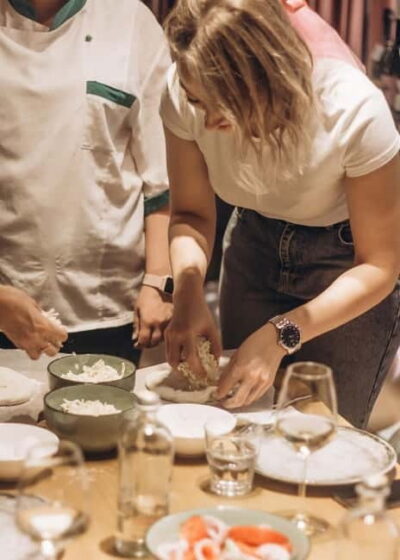
Georgian Cooking Class with Khinkali and Khachapuri
Read our review →
Private Tbilisi Food Tour: 9 Tastings Walk in Bohemian District
Read our review →
Small-Group Khinkali and Khachapuri Cooking Class in Tbilisi
Read our review →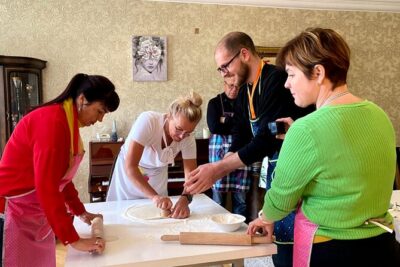
Cook True Ajarian Khachapuri and Khinkali in Highlanders Style
Read our review →
Taste of Kakheti: Wine Tour Bread Baking & Churchkhela Workshop
Read our review →
Nana’s Kitchen – traditional Georgian cooking class at real Georgian family home
Read our review →Browse the lists this tour appears in