
Reviewed · GEORGIAN FOOD TOURS
Small-Group Khinkali and Khachapuri Cooking Class in Tbilisi
Food tells you plenty about Georgia. Two hours of dough, cheese, dumplings, and wine gives you a friendly introduction to that food culture without taking up your whole day. This class teaches the basics of khinkali and Imeretian khachapuri in a central Tbilisi restaurant, with a chef explaining the recipes, shaping methods, and some Georgian customs along the way.
I especially like the low price of $27.50, since it includes wine, salad, farm cheese, and the food you prepare. I also like the small-group idea, with a stated limit of six people, because shaping khinkali is much easier when the chef can watch your hands. The main point to check is the group size: several bookings have had nine to thirteen participants, so the advertised intimate format is not guaranteed.
The class is casual rather than polished. You do not cook inside the restaurant kitchen, and some of the hot cooking is handled by staff. Still, the best sessions offer clear instruction, plenty to eat, and a fun way to meet people in Tbilisi.
In This Review
- Key points to know before you book
- Starting at St. Bunny31 on Griboedov Street
- Wine, cheese, and Georgian conversation
- Making Imeretian khachapuri from dough to cheese
- Folding khinkali, Georgia’s famous dumplings
- What the two-hour schedule really feels like
- Group size is the biggest question mark
- How much food you receive for $27.50
- Who will enjoy this class most
- Smart tips for getting the best session
- Should you book the khinkali and khachapuri class?
- FAQ
- Where does the cooking class begin?
- Where does the class end?
- How long does the class last?
- What dishes do you learn to make?
- What fillings are available for khinkali?
- Is wine included?
- Are food items included besides the dishes you prepare?
- Is the class held in a restaurant kitchen?
- What is the cancellation policy?
Key points to know before you book
- You learn two Georgian classics: khinkali, the folded soup dumpling, and Imeretian khachapuri, a round cheese-filled bread.
- The class takes place at a restaurant table: You prepare dough and fillings there, while the kitchen handles the cooking.
- Wine and shared starters are included: Expect Georgian wine, tomato salad, farm cheeses, and your finished dishes.
- The listed group limit is six: In practice, groups can be larger during busy periods, sometimes reaching around thirteen people.
- The chef-led instruction is the star: Instructors such as Seva, Seva, Artem, and Vladimir have been praised for patience, humor, and clear explanations.
- The class meets downtown: Start and finish at St. Bunny31 on Griboedov Street, near public transportation.
Starting at St. Bunny31 on Griboedov Street
The class begins and ends at St. Bunny31, on Griboedov Street in central Tbilisi. That makes this an easy activity to fit between sightseeing stops, a museum visit, or an evening meal elsewhere. You receive confirmation at booking, and the mobile ticket is useful if you are moving around the city with only your phone.
The location is a restaurant hall, not a private home and not a commercial kitchen. That distinction matters. The setting gives you a proper place to sit, eat, and enjoy wine, but it also limits how much of the cooking process you can handle yourself.
I would arrive ready to eat and ready to share a table. Some sessions are intimate, while others can feel more like a social restaurant workshop. If meeting new people is part of the appeal, the larger groups may add energy. If you want close attention from the chef, a busy session may feel less personal.
More Food Tours in Tbilisi:
- Tbilisi: Georgian Cooking Class with Khinkali and Khachapuri
★ 4.7 · 1,146 reviews - Private Tbilisi Food Tour: 9 Tastings Walk in Bohemian District
★ 5.0 · 227 reviews - Tbilisi Food Tour in a Local Family
★ 5.0 · 113 reviews
Wine, cheese, and Georgian conversation
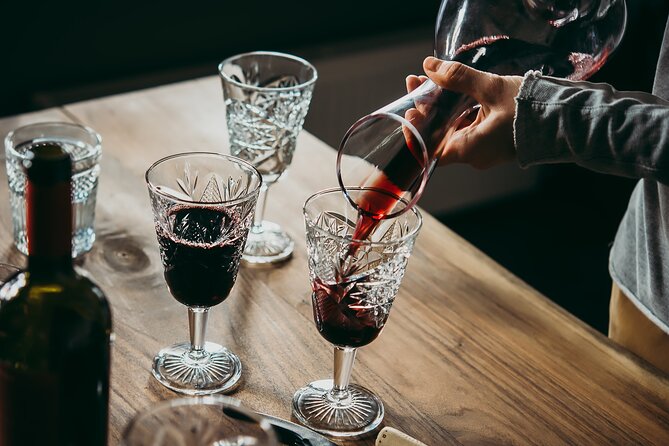
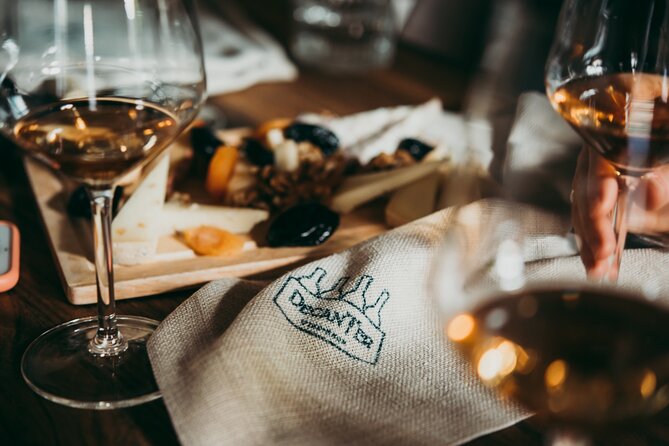
The class usually begins with Georgian wine, a plate of farm cheeses, and a vegetable salad made with Georgian tomatoes. These are not just fillers while you wait. They give you a taste of the simple foods that often accompany a Georgian meal: fresh vegetables, local dairy, bread, and wine shared around a table.
The wine offering has one limitation. A booking specifically noted that only red wine was available, with no choice between red and white. If you cannot drink red wine, it is wise to check the current arrangement before booking rather than assume you can select a different glass.
The shared food also depends on group size. In a small session, the cheese and salad can feel like a proper part of the meal. In a larger class, portions may seem modest. The finished khinkali and khachapuri provide the main meal, so I would not judge the value on the starters alone.
This social beginning is one reason the class suits solo visitors and couples. You have time to talk between steps, and the wine helps the meal feel relaxed rather than like a strict lesson. The trade-off is that waiting time can feel long when the class is poorly coordinated.
Making Imeretian khachapuri from dough to cheese
Khachapuri is Georgia’s famous cheese bread, and this class focuses on the Imeretian style. Unlike the boat-shaped Adjarian version, Imeretian khachapuri is round, with cheese enclosed in the dough. It is less theatrical than a bread boat topped with an egg, but it is a useful style to learn because the filling is folded into the bread.
The chef explains the khachapuri dough and filling, then participants work on the practical steps. You prepare the dough, make the cheese filling, spread the cheese, and shape the bread before it goes to the kitchen.
The hands-on part can vary. In a small group, you may get a satisfying amount of work with the dough and filling. In a larger group, people may take turns, with some participants handling the dough and others preparing the filling. That means you may not personally complete every stage from start to finish.
The hot cooking is done behind closed doors in the restaurant kitchen. This is due to the restaurant’s operating setup and sanitary rules, but it is still worth understanding before you arrive. You will learn the method and shape the dish, yet you will not slide your own khachapuri into the oven or watch every minute of its cooking.
That limitation does not ruin the experience, but it changes what kind of class this is. I would describe it as a guided preparation workshop, followed by a meal, rather than a full kitchen-based cooking course.
Folding khinkali, Georgia’s famous dumplings
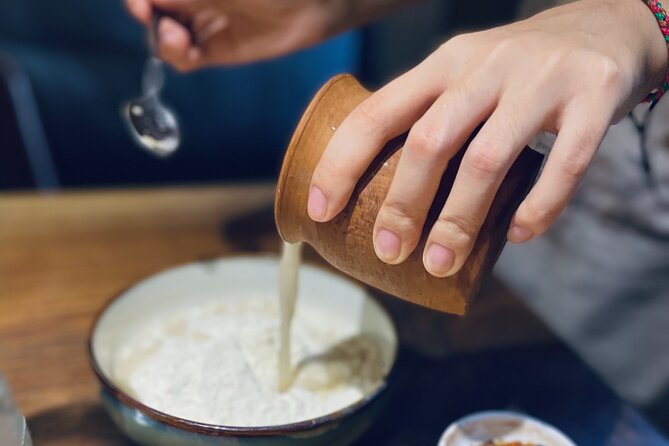
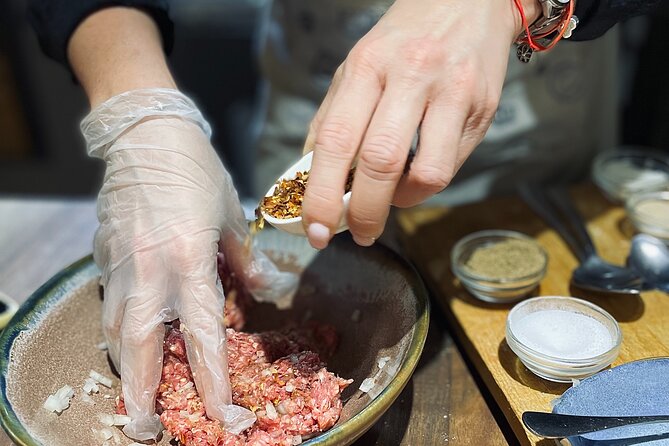
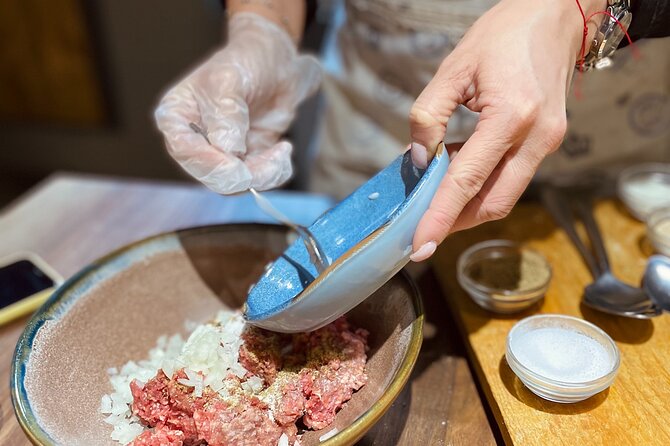
The most entertaining part is usually khinkali. These large Georgian dumplings are traditionally filled with meat and broth, though the class menu can include veal, cheese, or mushrooms. The dough is folded into a cinched shape, creating the familiar pleated top.
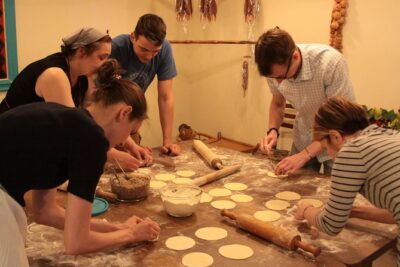
The chef explains the dough and the filling, then demonstrates the folding technique. You practice pinching and twisting the dough into shape while hearing tips about how the dumpling is cooked and eaten. Even if your first khinkali looks more like a wrinkled pouch than a neat parcel, that is part of the fun.
The class also adds stories about Tbilisi and Georgian food customs. Some instructors explain the role of feasts and toasts, which gives the wine and shared table a little more meaning. Seva has been praised for making complete beginners feel at ease, while Artem and Vladimir have been singled out for humor, patience, and friendly instruction.
Do not expect a restaurant chef to correct every fold in a crowded class. With six people, you should have more room to practice. With ten or more, you may spend more time watching someone else shape dumplings and waiting for ingredients or equipment.
Once shaped, the khinkali are cooked in the restaurant kitchen. You then eat them as part of the meal. The reward is immediate: handmade dumplings taste especially satisfying after you have wrestled with the pleats yourself.
More things to do in Tbilisi:
- Tbilisi: Day Trip to Kazbegi, Gudauri, Gergeti, and Ananuri
★ 4.9 · 3,203 reviews - Day Trip to Kakheti Wine Region Including 9 Wine Tastings
★ 5.0 · 2,774 reviews - Highlights of Caucasus Mountains-Jinvali,Ananuri,Gudauri,Kazbegi(Group tour)
★ 5.0 · 2,682 reviews - From Tbilisi: Kakheti Wine Region Tour with 9 Wine Tastings
★ 4.9 · 2,541 reviews
What the two-hour schedule really feels like
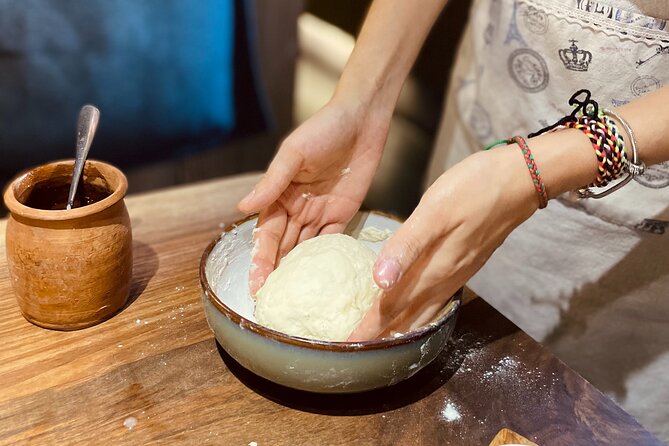
The advertised length is about two hours, but the full experience can run longer. One session lasted roughly three hours including the meal, while another began about 25 minutes late and lost some instructional time because the chef was also teaching another group.
A smooth class should move through these stages:
- Welcome with wine, salad, and cheese
- Explanation of the dishes and ingredients
- Khachapuri dough and cheese filling
- Shaping and preparing the bread
- Khinkali filling and folding practice
- Kitchen cooking
- Eating the finished food
The pauses are not always a problem. Dough needs handling, food needs cooking, and a shared meal naturally slows the pace. But poor organization can create long dead periods, especially if staff bring ingredients one at a time or the chef moves between parallel groups.
I would not schedule a museum ticket or train departure immediately afterward. Give yourself extra time, especially for an evening class or a busy tourist season. The start and finish are at the same downtown address, but the exact ending time may not be as firm as the two-hour description suggests.
Group size is the biggest question mark
The stated maximum is six participants, and that would be an excellent size for this format. Six people can gather around a table, watch the chef’s hands, and share the work without too much waiting.
Actual class sizes have varied. Some bookings had only two participants, which allowed more food and more direct attention. Other sessions had nine, ten, thirteen, or even around fourteen people. One unhappy booking reported ten people seated outside in very hot weather, while another group of about nine found that the class became more demonstration than participation.
This is the most important practical issue in the entire experience. Ask about the current group size if you care strongly about personal instruction. A larger class may still be enjoyable if you want a social lunch, but it is less suitable if your goal is to master both recipes.
The setting can also change with the weather and crowd. The class is intended for the restaurant hall, though one session took place outdoors in intense heat. If you are visiting Tbilisi during a hot period, confirm where the class will be held.
How much food you receive for $27.50
At $27.50 per person, the value is strong if the class runs well. You receive instruction on two well-known Georgian dishes, wine, salad, cheese, and a meal of freshly prepared khinkali and khachapuri. A restaurant meal alone can cost a good portion of that amount, so the added activity makes the price appealing.
The value is highest for first-time visitors to Georgia. You are not only eating the dishes, you are learning what goes into them and taking home the basic methods and recipes. Several participants have said they planned to make both dishes again after returning home.
The price is less impressive if you expect a professional culinary course. You may not make the full recipe yourself, and you will not handle the hot cooking. In a large group, you may also receive less individual practice and smaller portions of the shared salad and cheese.
Still, I think the class earns its price as a social food experience. It combines lunch or dinner, a glass of wine, simple instruction, and a chance to meet people. That is a fair deal in central Tbilisi, provided you accept the informal format.
Who will enjoy this class most
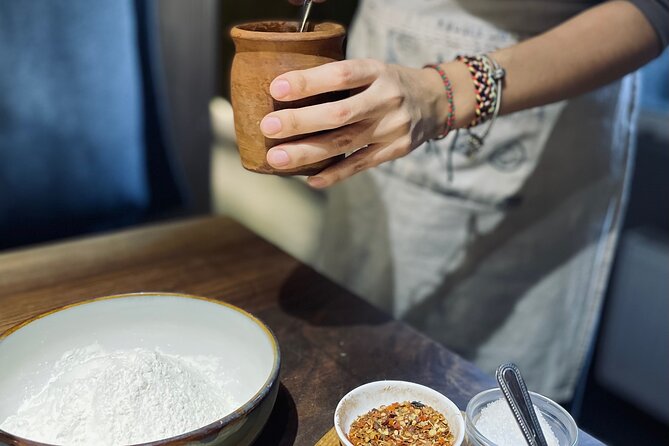
I would recommend it to you if you want a relaxed introduction to Georgian food rather than a technical cooking lesson. Beginners are welcome, and the instruction is designed to make dough preparation, cheese filling, and khinkali folding feel manageable.
It is also a good pick for solo visitors. You will sit with other people, share food, and have an easy conversation topic from the first minute. Couples and families can enjoy it too. A booking with two adults and children aged two and eight worked well, with enough food for a full meal.
The class may suit you less if you need a quiet setting, strict timing, or complete control over every stage. It is also not ideal if you specifically want to cook in a restaurant kitchen or learn Adjarian boat-shaped khachapuri. This session focuses on Imeretian cheese bread.
Service animals are allowed, and the meeting point is near public transportation. The activity is offered in English, though the quality and amount of explanation can depend on the instructor and group size.
Smart tips for getting the best session
- Ask about the group size before you go. Six people is very different from thirteen.
- Leave extra time afterward. Delays and a longer shared meal are possible.
- Come hungry. You will receive starters and the dishes you make, and the food can amount to a full meal.
- Confirm the wine option if needed. Red wine may be the only choice.
- Expect preparation, not full kitchen work. The staff handles boiling and baking.
- Join the hands-on steps quickly. In a large group, taking turns means you may otherwise spend too much time watching.
- Bring patience. The best part is social and unhurried, but organization can vary.
Free cancellation is available up to 24 hours before the start time for a full refund. Changes or cancellations made less than 24 hours before the start are not accepted for a refund.
Should you book the khinkali and khachapuri class?
I would book this class if you want good-value Georgian food, a glass of wine, and an easy social afternoon in central Tbilisi. The instructors are often warm and funny, the finished food is widely praised, and even a first attempt at khinkali can be a memorable success.
I would book with realistic expectations. This is not a private home meal, and it is not a hands-on kitchen course where every participant makes every dish from raw ingredients through cooking. The class happens at a restaurant table, group sizes may exceed six, and delays are possible.
If you can confirm a small group, the experience becomes much more appealing. If the group is large, treat it as a Georgian food workshop with dinner rather than a serious cooking lesson. At $27.50, that is still a worthwhile way to spend two hours, especially if you are curious about the food you will see across Georgia.
FAQ
Where does the cooking class begin?
It begins at St. Bunny31 on Griboedov Street in Tbilisi, Georgia.
Where does the class end?
The activity ends back at the meeting point on Griboedov Street.
How long does the class last?
The advertised duration is approximately two hours, though some sessions can run longer, especially when dining is included.
What dishes do you learn to make?
You learn to prepare khinkali and Imeretian khachapuri.
What fillings are available for khinkali?
The listed options are veal, cheese, or mushrooms.
Is wine included?
Yes. Georgian wine is included with the class.
Are food items included besides the dishes you prepare?
Yes. The class includes a vegetable salad made with Georgian tomatoes and a plate of farm cheeses.
Is the class held in a restaurant kitchen?
No. The workshop takes place in the restaurant hall, usually at a table. Hot cooking is handled in the kitchen.
What is the cancellation policy?
You can cancel at least 24 hours before the start time for a full refund. Cancellations or changes made less than 24 hours before the start time are not accepted for a refund.
Just added in Tbilisi
- Wine Tasting feel the Difference of Qvevri or Classical Wine★ 4.4 · 10 reviews
- From Tbilisi: Kakheti and Kazbegi 2-Day 4X4 Jeep Tour pack★ 5.0 · 6 reviews
- Walking Tour in Old Tbilisi – Group Tour★ 4.5 · 8 reviews
- Uforgatable Kakheti Tour with wine tasting – in Georgia★ 4.9 · 5 reviews
- From Tbilisi: Uplistsikhe Caves and Mtskheta Town Day tour★ 5.0 · 2 reviews
- Tbilisi: Vintage Fashion and Secondhand Thrifting Tour★ 5.0 · 11 reviews
- Private Adorable City Tour of Tbilisi★ 5.0 · 3 reviews
- Tbilisi Airport to Gudauri, Bakuriani, Batumi, Tbilisi★ 5.0 · 3 reviews
Georgian Food Tours, compared.
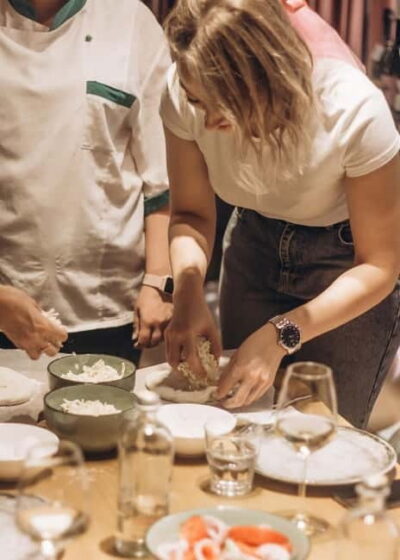
Georgian Cooking Class with Khinkali and Khachapuri
Read our review →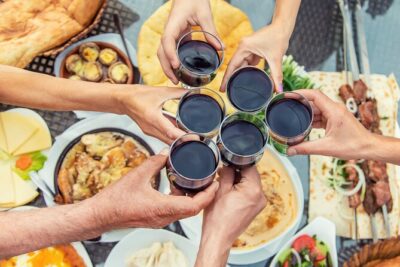
Private Tbilisi Food Tour: 9 Tastings Walk in Bohemian District
Read our review →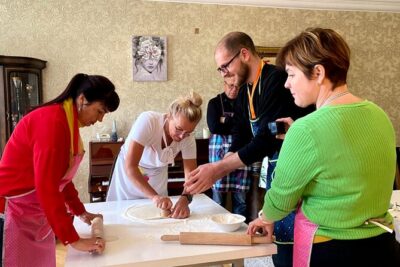
Cook True Ajarian Khachapuri and Khinkali in Highlanders Style
Read our review →
Old Town and Beyond: A Tbilisi Silk Road Feast with Culinary Backstreets
Read our review →
Taste of Kakheti: Wine Tour Bread Baking & Churchkhela Workshop
Read our review →
Nana’s Kitchen – traditional Georgian cooking class at real Georgian family home
Read our review →Browse the lists this tour appears in