
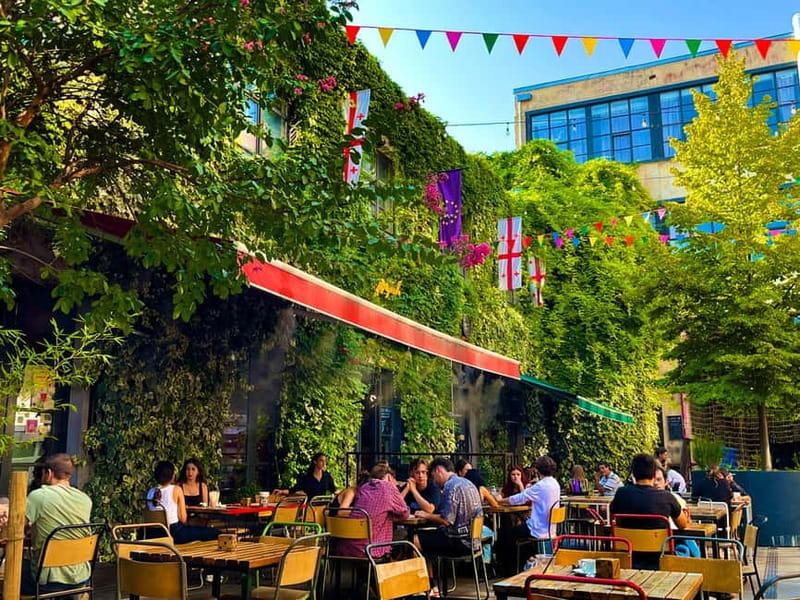
Reviewed · GEORGIAN FOOD TOURS
Tbilisi: Street Food & Sightseeing Tour with Local Markets
Come hungry, and leave room for dumplings. This Tbilisi food tour joins Dezerter Bazaar, local restaurants, a modern food hall, and city-center sights in a compact two to three hours. I like the generous range of tastings, especially four kinds of khinkali, and I like that the walk includes street art, markets, and local stories instead of stopping at food alone. The main drawback is the pace: with so much food and city exploring packed into a short tour, some stops may feel brisk.
The $40 price includes hotel pickup and drop-off, a guide, and tastings of Georgian dishes, wine, sauces, spices, sweets, and more. I also appreciate the option of a private or small-group visit. Come with an empty stomach, because the portions can add up quickly, and tell the guide about dietary needs before setting out.
In This Review
- Key points to know before you book
- Why this Tbilisi food walk is different
- Starting at Dezerter Bazaar
- Four kinds of khinkali, not just one
- Khachapuri and the comfort-food stop
- Homemade Georgian wine and local flavor
- A newer side of Tbilisi at the food hall
- Tbilisi sights between the bites
- Guides who shape the experience
- Is $40 a fair price?
- Who should book this experience?
- Should you book the Tbilisi food tour?
- FAQ
- How long does the Tbilisi food tour last?
- What food is included?
- Is Georgian wine included?
- Where does the tour visit?
- Is hotel pickup included?
- Is transportation used during the tour?
- Is the tour private or shared?
- What language does the guide speak?
- Can I cancel the booking?
- Can children join the tour?
- Is the tour suitable for people with food allergies?
- What should I bring?
Key points to know before you book
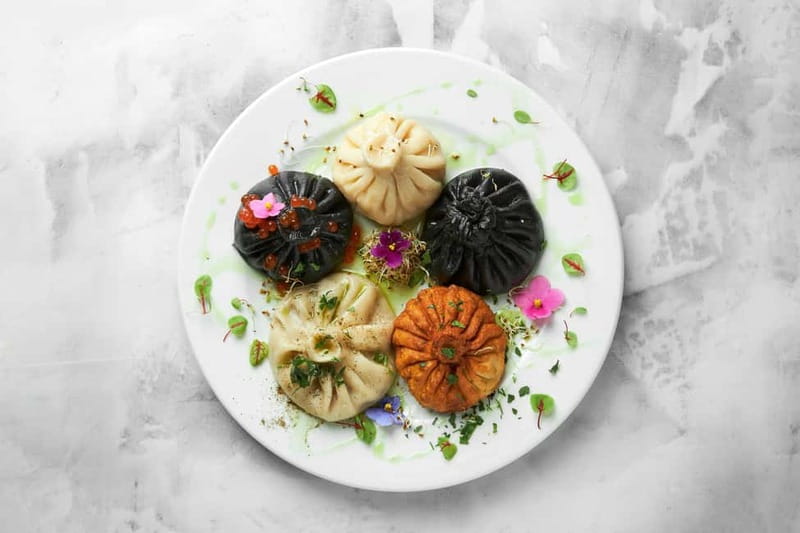
- Four styles of khinkali: Try dumplings filled with potato, cheese, mushroom, spices, meat, and herbs, giving you a useful taste of Georgia’s range.
- Dezerter Bazaar first: The market offers fresh produce, sauces, spices, regional foods, and a close look at everyday shopping in Tbilisi.
- More than a meal: The route can include street art, vintage shops, urban sights, and lesser-known corners of the city.
- Wine and sweets included: Tastings may include homemade Georgian wine, churchkhela, pecans, cheese, desserts, and wine ice cream.
- Hotel transfers included: Pickup and return make the tour easier, particularly if you are still finding your way around Tbilisi.
- Best for adults and older children: The experience is not suitable for children under 12, wheelchair users, people with food allergies, or people over 75.
Why this Tbilisi food walk is different
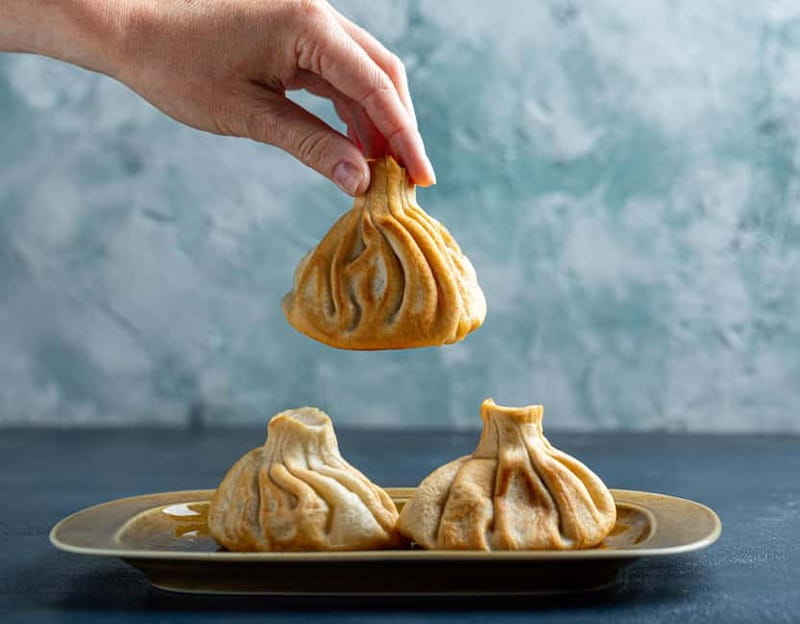
Many city food tours give you a plate, a quick explanation, and a polite goodbye. This one tries to show how food fits into Tbilisi life. You move from a working market to a local restaurant and then to a newer food hall, while the guide points out city sights, street art, shops, and cultural details along the way.
That mix matters. Dezerter Bazaar gives you the everyday side of the city, while the food hall shows how Tbilisi’s food scene is changing. The route also includes the urban center, so you get more than a list of dishes. You get a short orientation to the city.
The tour lasts two to three hours. That is long enough for a useful first taste of Georgian food without taking over your whole day. At the same time, the short length means you should not expect a slow, sit-down meal at every stop. Think of it as a moving meal with sightseeing attached.
More Food Tours in Tbilisi:
- Tbilisi: Georgian Cooking Class with Khinkali and Khachapuri
★ 4.7 · 1,146 reviews - Private Tbilisi Food Tour: 9 Tastings Walk in Bohemian District
★ 5.0 · 227 reviews - Small-Group Khinkali and Khachapuri Cooking Class in Tbilisi
★ 4.5 · 224 reviews
Starting at Dezerter Bazaar
Dezerter Bazaar is the strongest opening stop because it gives you a look at food before it reaches a restaurant table. Stalls feature produce, spices, sauces, regional specialties, and other ingredients used in Georgian cooking. The setting is practical rather than polished, which is exactly its appeal.
Your guide can help explain what you are seeing and introduce you to flavors you might otherwise pass by. Tastings may include sauces, spices, cheese, traditional sweets, and other local products. This is a useful place to ask questions about what to buy for later, though the tour does not promise a fixed shopping list.
I like this part because it makes Georgian food feel less mysterious. You see the ingredients in their everyday setting, then taste dishes that use similar flavors later in the route. The connection is simple and useful.
The market can also be visually and acoustically full-on. Vendors, shoppers, colorful displays, and the general noise of a working market are part of the experience. If you prefer quiet indoor tasting rooms, this may feel rough around the edges. Wear shoes that can handle a good deal of walking, and keep your hands free because large bags and luggage are not allowed.
Four kinds of khinkali, not just one
Khinkali are the centerpiece of the food portion. These Georgian dumplings are usually recognized by their twisted tops, but the fillings can change the whole experience. Here, you may try four varieties featuring combinations of potato, cheese, mushroom, spices, meat, and herbs.
That variety is valuable for first-time visitors. A meat-filled dumpling gives you one familiar entry point, while potato, cheese, and mushroom versions show how flexible the dish can be. Sampling several kinds side by side also makes it easier to notice differences in texture and seasoning.
Khinkali are not dainty food. They are best approached with a little guidance, and the guide can help you understand the local way to eat them. You will want to pace yourself, since the dumplings come alongside other dishes rather than replacing them.
One practical warning: portions may be larger than you expect. Maiia said the food was so plentiful that her group could not finish half of the dishes. I would not plan a large breakfast before this tour. A light meal beforehand is safer than arriving stuffed, but do not assume every tasting is a tiny sample.
Khachapuri and the comfort-food stop

Khachapuri is another essential Georgian taste. It is cheese-filled bread, simple in description but satisfying in practice. On this tour, it forms part of a wider meal that may also include sauces, cheese, sweets, and other traditional foods.
I like the balance between khinkali and khachapuri. Dumplings give you variety in fillings, while warm cheese bread offers the kind of familiar, filling food that helps explain why Georgian cooking is so popular. It is also a good reminder that this is not a calorie-light activity.
The food is served at a local restaurant as well as at market and food-hall stops. The restaurant visit gives you a more settled place to eat, though the exact dishes and portion sizes can vary. The description promises tastings rather than a fixed full menu, so you should treat the food list as a guide to the experience, not a guarantee that every item appears in the same form each day.
More things to do in Tbilisi:
- Tbilisi: Day Trip to Kazbegi, Gudauri, Gergeti, and Ananuri
★ 4.9 · 3,203 reviews - Day Trip to Kakheti Wine Region Including 9 Wine Tastings
★ 5.0 · 2,774 reviews - Highlights of Caucasus Mountains-Jinvali,Ananuri,Gudauri,Kazbegi(Group tour)
★ 5.0 · 2,682 reviews - From Tbilisi: Kakheti Wine Region Tour with 9 Wine Tastings
★ 4.9 · 2,541 reviews
Homemade Georgian wine and local flavor
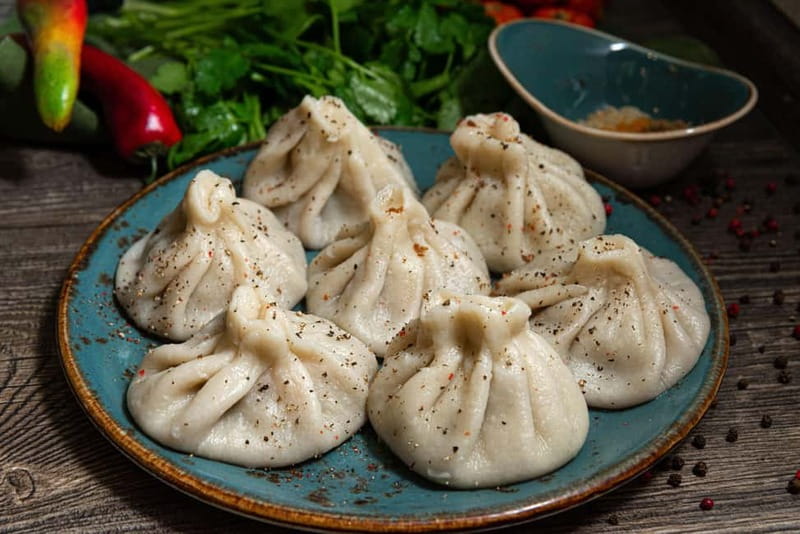
Homemade Georgian wine is included. That adds an important cultural layer to the meal, since wine is not treated as an afterthought here. The guide can connect the drink to local food customs and the regions represented by the products you see.
The tasting is one part of the tour, not a full wine excursion. If wine is your main interest, you may want a dedicated winery visit elsewhere in Georgia. If you simply want to try a local pour with Georgian food, this stop gives you that chance without adding another half-day commitment.
Food preferences can be taken into consideration, as Maiia’s experience shows. Still, people with food allergies are specifically advised against booking this activity. That is a serious distinction. A preference may be manageable with advance notice, while an allergy can make shared tastings and market samples unsafe.
A newer side of Tbilisi at the food hall
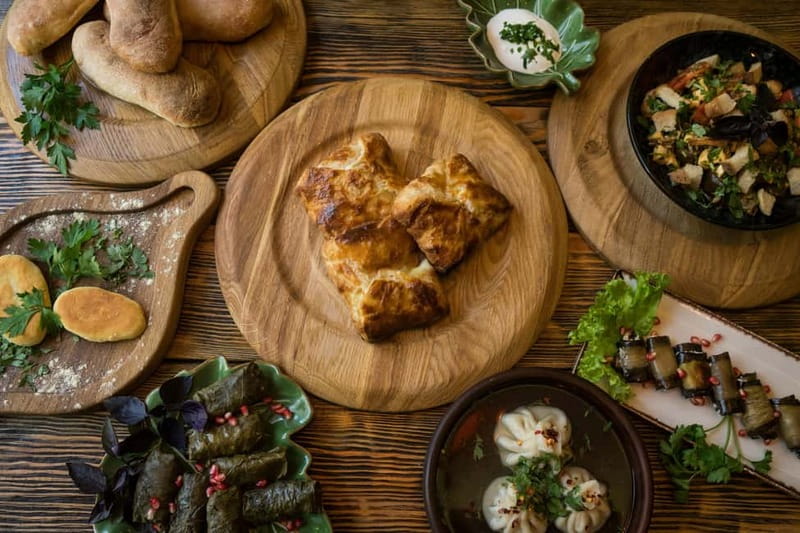
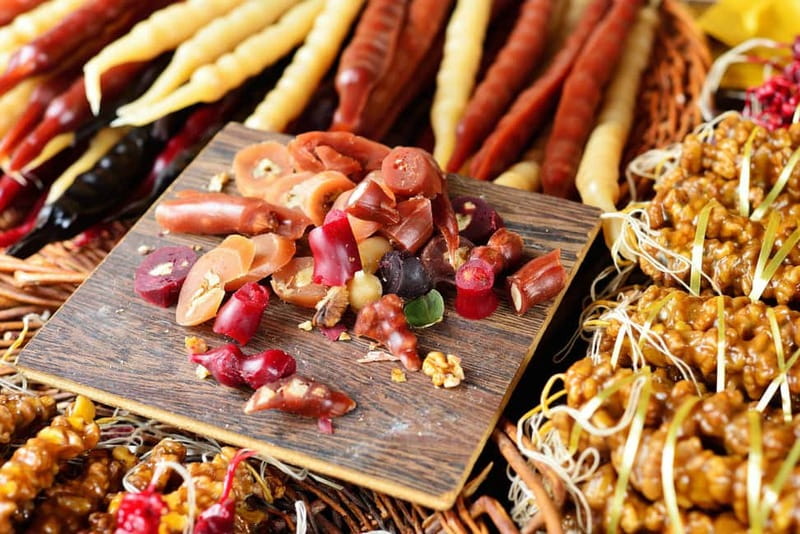
The modern food hall changes the mood of the tour. After the working market and local restaurant, you get a look at a newer setting for Georgian flavors. Samples may include pecans, unusual spices, sauces, traditional sweets, and other treats.
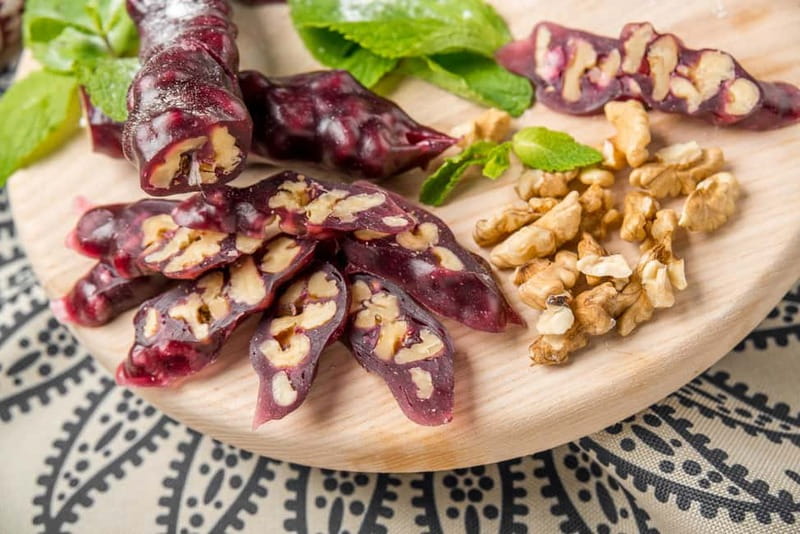
Churchkhela is among the sweets associated with the experience. You may also encounter desserts and wine ice cream. These items help show that Georgian food is not limited to bread, dumplings, and grilled dishes. The sweet course can also be the point at which you realize you have eaten enough.
This stop is useful for souvenirs and ideas. Some foods are easier to carry home than a plate of khinkali, and the tour may leave you with a better sense of which spices, sauces, or sweets appeal to you. The experience includes tastings, but additional purchases are not described as included, so bring payment if you hope to shop.
Tbilisi sights between the bites
The walking route includes the city center, street art, markets, vintage shops, and less obvious corners of Tbilisi. You also hear the sounds of the city as you move between food stops. That urban texture is a major reason to choose this tour over a restaurant-only food outing.
The sightseeing element appears flexible. Guide George once focused on the left bank and explained city highlights through local stories. Other guides, including Camilla and Giorgi, have been praised for showing more than food and adjusting the route to individual interests.
That flexibility is a plus for a private or small-group tour. You can ask for more city context, more food information, or more attention to places that catch your eye. The tradeoff is that the exact balance may depend on your guide and group. A food enthusiast may wish for longer tastings, while a first-time visitor may be happy to spend more time walking.
Hotel pickup and drop-off are included, and taxi rides may cover longer distances. This saves time and removes some transport stress, especially if you are staying outside the center. It also means the experience is not one continuous walk from start to finish.
Guides who shape the experience
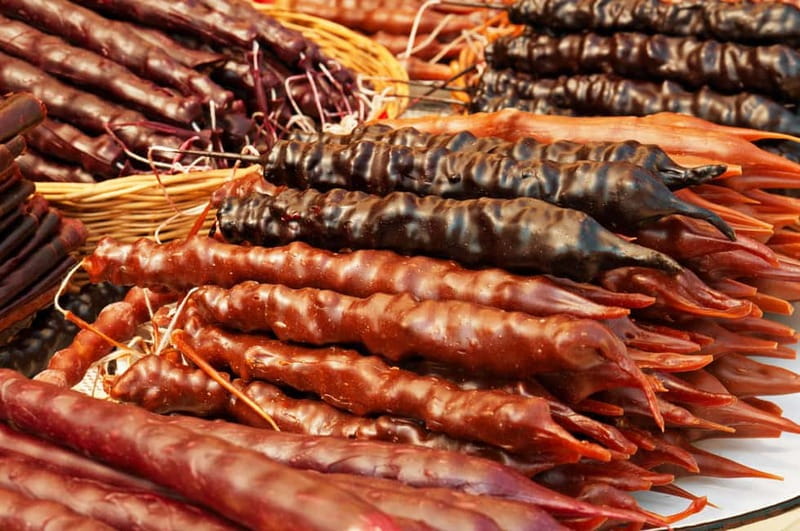
A food tour depends heavily on the person leading it. The guides connected with this experience have included Camilla, Camila, Giorgi, and George. Their strengths, as described in the supplied feedback, include warmth, punctuality, strong city knowledge, and the ability to explain Georgian culture and history.
Shigeki placed special value on the guide’s explanations of Georgian history, spices, wine, and culture. Jessie ended up with a private tour because no other guest had booked, while Jing enjoyed a guide who was punctual, easy to talk with, and enthusiastic about showing the city.
Those details tell you something useful about the format. A small booking can become a very personal outing, but you may not know your exact group size until close to the tour. Private and small-group options are available, so check the option you select if personal attention matters to you.
The English-language guiding should suit visitors who want explanations as they walk and eat. This is not simply a sequence of tastings handed over without context. The guide is part of the value.
Is $40 a fair price?
At $40 per person, the price is reasonable if you use the included parts. You are paying for a guide, hotel pickup and drop-off, city orientation, market access, restaurant tastings, food-hall samples, khinkali, khachapuri, wine, sauces, spices, and sweets.
The value is strongest on a first day in Tbilisi. You get a quick introduction to local food and several neighborhoods or settings, then you can return to the places and dishes you liked. A private taxi, a separate market visit, a meal, and a guided city walk could easily cost more when arranged independently.
The price is less attractive if you mainly want one large restaurant meal or a focused wine tasting. You are paying for variety and interpretation, not just quantity. Because food and drinks outside the listed inclusions are not covered, keep that distinction in mind.
The reserve-now, pay-later option and free cancellation up to 24 hours before the start add useful flexibility. Check the available start times before booking, since the duration is listed as two to three hours rather than a fixed length.
Who should book this experience?
I would choose this tour if you are new to Tbilisi, curious about Georgian food, and want a guide to help you get your bearings. It is especially useful for people who like markets and city wandering but do not want to spend a full day on a formal food excursion.
It also suits solo visitors and couples who want a more personal experience. The private or small-group setup can make it easier to ask questions and request more attention to food, street art, shops, or city stories.
This is not a good match for children under 12, wheelchair users, people with food allergies, or people over 75. The market setting, walking, multiple food stops, and stated restrictions make those limits important rather than minor fine print.
Bring comfortable shoes, water, a sun hat, a camera, and clothing suited to the weather. Leave large bags and luggage behind. Tell the guide about food preferences or dietary restrictions in advance, even though the activity is not suitable for people with food allergies.
Should you book the Tbilisi food tour?
Book it if you want a friendly, food-heavy introduction to Tbilisi with sightseeing built in. The four khinkali varieties, khachapuri, homemade wine, market samples, sweets, and sauces give you a broad first taste, while the city walk keeps the experience from feeling like a series of unrelated meals.
I would be more cautious if you need a fully allergy-safe menu, dislike busy markets, or want a slow, carefully paced dinner. For everyone else, $40 is a fair buy, particularly with hotel transfers and a guide who can connect the food to the city around you. Come hungry, wear good shoes, and think of the tour as both lunch and orientation.
FAQ
How long does the Tbilisi food tour last?
The tour lasts approximately two to three hours. Starting times depend on availability.
What food is included?
Included tastings feature four varieties of khinkali, khachapuri, sauces, spices, traditional sweets, and other local foods.
Is Georgian wine included?
Yes. Homemade Georgian wine is included as a tasting.
Where does the tour visit?
The experience includes Dezerter Bazaar, a local restaurant, a modern food hall, the urban center, markets, street art, vintage shops, and other city sights.
Is hotel pickup included?
Yes. Hotel pickup and drop-off are included.
Is transportation used during the tour?
The experience is a guided walking tour, and taxi rides may be used to cover longer distances.
Is the tour private or shared?
Private and small-group options are available.
What language does the guide speak?
The live tour guide speaks English.
Can I cancel the booking?
You can cancel up to 24 hours in advance for a full refund.
Can children join the tour?
Children under 12 are not suitable for this activity.
Is the tour suitable for people with food allergies?
No. The activity is not suitable for people with food allergies. You should still notify the guide about food preferences or dietary restrictions.
What should I bring?
Bring comfortable shoes, a sun hat, a camera, water, and clothing suited to the weather. Large bags and luggage are not allowed.
Just added in Tbilisi
- Wine Tasting feel the Difference of Qvevri or Classical Wine★ 4.4 · 10 reviews
- From Tbilisi: Kakheti and Kazbegi 2-Day 4X4 Jeep Tour pack★ 5.0 · 6 reviews
- Walking Tour in Old Tbilisi – Group Tour★ 4.5 · 8 reviews
- Uforgatable Kakheti Tour with wine tasting – in Georgia★ 4.9 · 5 reviews
- From Tbilisi: Uplistsikhe Caves and Mtskheta Town Day tour★ 5.0 · 2 reviews
- Tbilisi: Vintage Fashion and Secondhand Thrifting Tour★ 5.0 · 11 reviews
- Tbilisi Airport to Gudauri, Bakuriani, Batumi, Tbilisi★ 5.0 · 3 reviews
- Private Adorable City Tour of Tbilisi★ 5.0 · 3 reviews
Georgian Food Tours, compared.
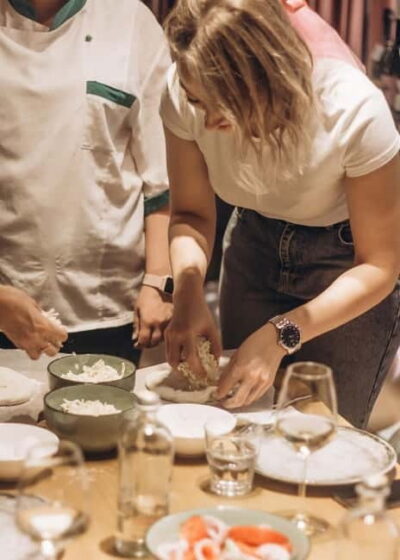
Georgian Cooking Class with Khinkali and Khachapuri
Read our review →
Private Tbilisi Food Tour: 9 Tastings Walk in Bohemian District
Read our review →
Small-Group Khinkali and Khachapuri Cooking Class in Tbilisi
Read our review →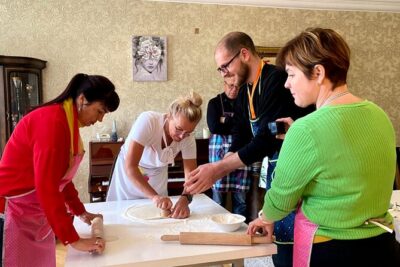
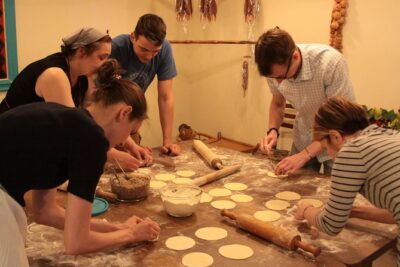
Cook True Ajarian Khachapuri and Khinkali in Highlanders Style
Read our review →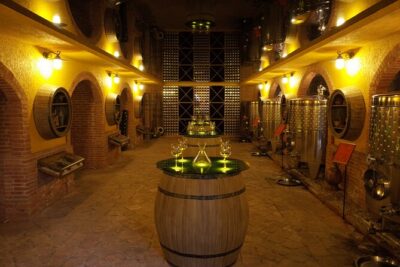
Old Town and Beyond: A Tbilisi Silk Road Feast with Culinary Backstreets
Read our review →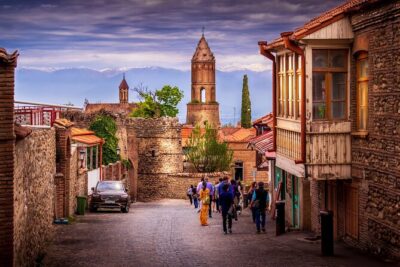
Taste of Kakheti: Wine Tour Bread Baking & Churchkhela Workshop
Read our review →Browse the lists this tour appears in