
Reviewed · GEORGIAN FOOD TOURS
Tbilisi: Khachapuri, Khinkali and Bread-Making Masterclass
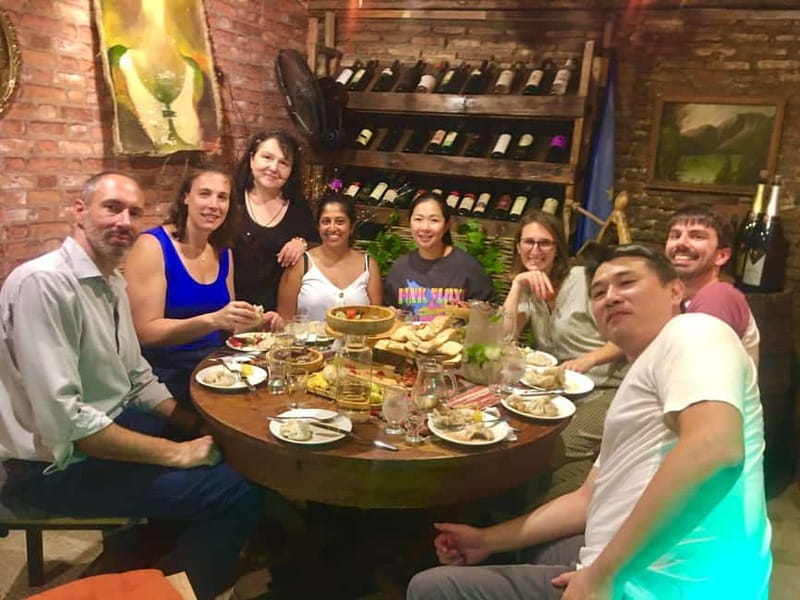
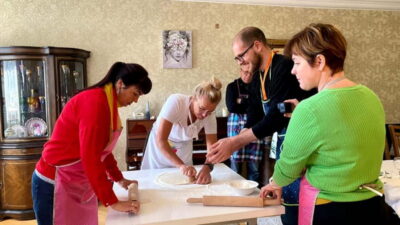
Come hungry, leave with three Georgian staples. This two-hour Tbilisi cooking class teaches khachapuri and khinkali from scratch, then adds traditional shoti bread for a proper taste of Georgian home cooking. I like the hands-on format, and I like the small group limit of 10, which should leave room for questions and practical help.
The warm setting is another strong point. Dilek described feeling at home with host Lia, while Gabrielle called it the best experience of her time in Georgia and said the food was generous enough that there was more than she could finish. The main drawback is clear: gluten-free diners cannot take part, and alcoholic drinks are not included.
In This Review
- Key points at a glance
- Why Georgian cooking makes a good Tbilisi class
- Finding the café bakery meeting point
- Starting with khachapuri dough and cheese
- Shaping khinkali without losing the broth
- Baking shoti, Georgia’s everyday bread
- A friendly class with a home kitchen feel
- What the $76 price includes
- Who will enjoy this class most
- Booking advice for a smoother experience
- Should you book the Tbilisi cooking class?
- FAQ
- How long does the cooking class last?
- What foods will I learn to make?
- Are ingredients included?
- Is the class suitable for beginners?
- What languages does the instructor speak?
- How many people can join the class?
- Can people with gluten intolerance participate?
Key points at a glance
- Three Georgian staples in two hours: Make cheese-filled khachapuri, soup-filled khinkali, and traditional shoti bread.
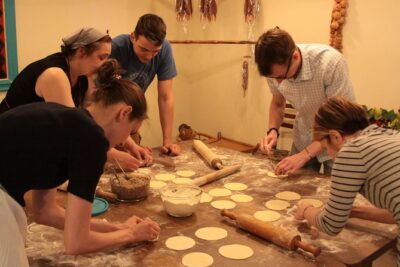
- Hands-on from the beginning: You learn dough preparation, fillings, shaping, and baking rather than simply watching a demonstration.
- Small group of up to 10: The limited size suits beginners who want direct guidance.
- Host Lia adds a personal touch: The friendly, home-style atmosphere is one of the experience’s most praised features.
- Useful for home cooks: The class explains methods for a clay oven or a regular home kitchen.
- Book ahead: Reserving at least two days before the class gives you more choice, while last-minute options may be limited.
Why Georgian cooking makes a good Tbilisi class
Georgia’s best-known foods are made for sharing, but they also reward careful technique. Khachapuri looks simple until you try to balance dough, cheese, heat, and shape. Khinkali asks for a different skill, since the dumpling must hold its broth without breaking.
That makes this class more useful than a meal alone. You get to eat Georgian food, but you also learn why the food works. I value that kind of experience because it gives you a way to remember Tbilisi after you leave, even if your first home attempt is a little lopsided.
The class is aimed at all cooking levels. Beginners get step-by-step direction, while experienced cooks can pay attention to dough texture, folding technique, and baking methods. The instructor teaches in English and Russian, so language support is built into the experience.
More Food Tours in Tbilisi:
- Tbilisi: Georgian Cooking Class with Khinkali and Khachapuri
★ 4.7 · 1,146 reviews - Private Tbilisi Food Tour: 9 Tastings Walk in Bohemian District
★ 5.0 · 227 reviews - Small-Group Khinkali and Khachapuri Cooking Class in Tbilisi
★ 4.5 · 224 reviews
Finding the café bakery meeting point
The meeting point is marked by a café bakery banner on a brick wall. That is useful, but the directions supplied do not include a street address or transport instructions, so I would check the booking details carefully before setting out.
Allow a little flexibility around the start time. The class lasts two hours, but the available starting times can vary. I would avoid placing a major timed attraction immediately afterward, especially if you want to ask questions or enjoy the food without rushing.
The small-group setup matters here. With a maximum of 10 people, the room should feel more personal than a large demonstration. You can watch the instructor’s hands, compare your shaping with other participants, and ask for help before a dough or dumpling goes wrong.
Starting with khachapuri dough and cheese
Khachapuri is Georgia’s famous cheese-filled bread, with a golden crust and soft, melted center. The class begins by showing you how to make the dough from scratch, which is the right place to start if you want to reproduce the dish at home.
The useful part is not just learning a list of ingredients. You are shown how the dough should come together, how to prepare the cheese filling, and how to work toward the desired crust. The class also focuses on the crisp edge, an easy detail to overlook when you are mainly thinking about the cheese.
For a first-time cook, this is likely the most forgiving section. Bread dough does not need to look perfect to be enjoyable, and the instructor can correct problems as they happen. I would pay close attention to the balance between filling and dough, since too much cheese can make shaping difficult and too little misses the point of the dish.
Khachapuri also gives you an immediate lesson in Georgian food culture. It is comforting, filling, and designed to arrive warm. The class turns that familiar restaurant order into something you understand from the inside.
Shaping khinkali without losing the broth
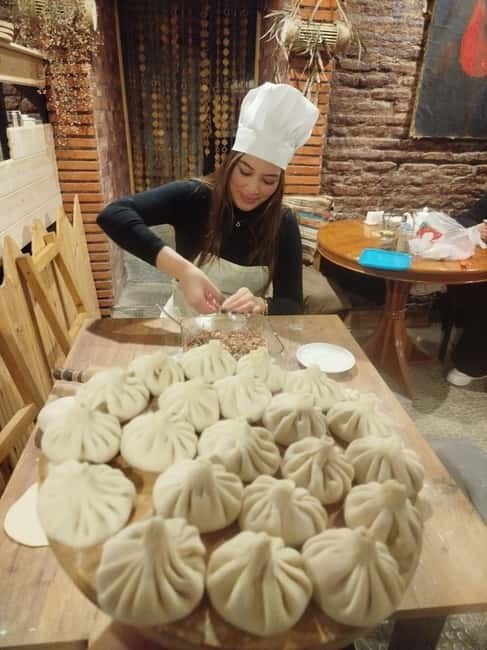
Khinkali is the trickier challenge. These Georgian dumplings contain savory meat, spices, and broth, so the finished parcel must be sealed well enough to hold its liquid during cooking.
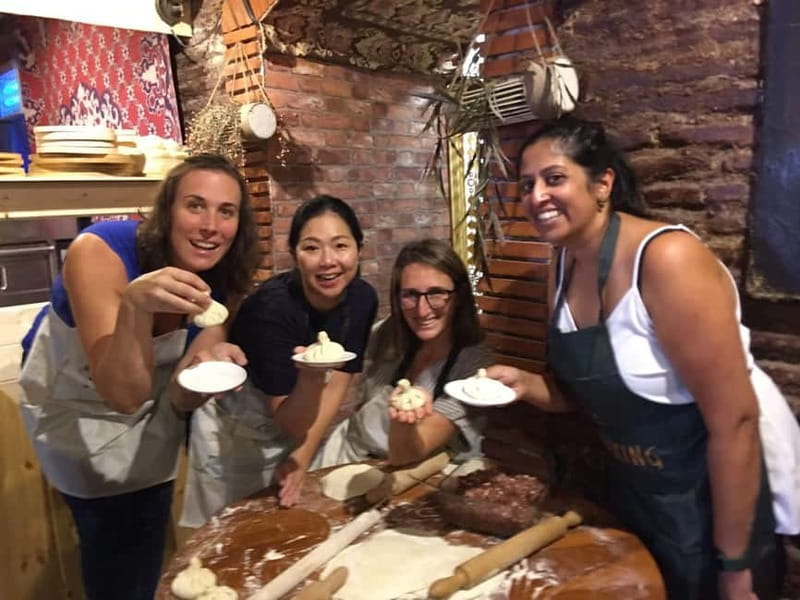
You learn to make the dough, prepare the filling, shape the dumplings, and create the characteristic soup-filled bite. This is the part where patience helps. The folds need to be secure, but the dumpling should still have the recognizable gathered top that makes khinkali so distinctive.
I would expect the first dumpling to be a practice round. That is not a problem. The value of the class is having an instructor nearby to show you how the dough should be handled and how the shape should come together.
The final eating technique matters, too. Khinkali is known for its broth, and the class teaches you how to reach that soup-filled center. For many people, this will be the most memorable skill of the afternoon, since it is not obvious from simply ordering dumplings at a restaurant.
More things to do in Tbilisi:
- Tbilisi: Day Trip to Kazbegi, Gudauri, Gergeti, and Ananuri
★ 4.9 · 3,203 reviews - Day Trip to Kakheti Wine Region Including 9 Wine Tastings
★ 5.0 · 2,774 reviews - Highlights of Caucasus Mountains-Jinvali,Ananuri,Gudauri,Kazbegi(Group tour)
★ 5.0 · 2,682 reviews - From Tbilisi: Kakheti Wine Region Tour with 9 Wine Tastings
★ 4.9 · 2,541 reviews
Baking shoti, Georgia’s everyday bread
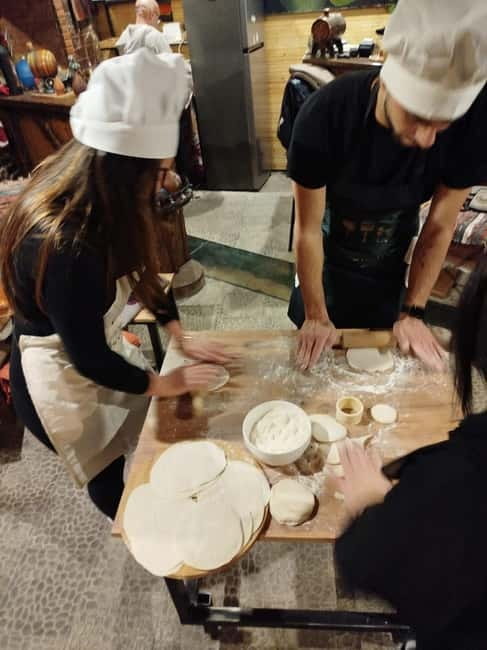
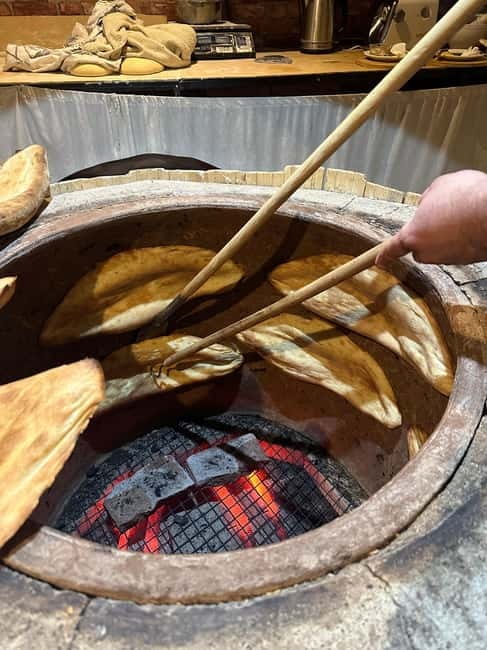
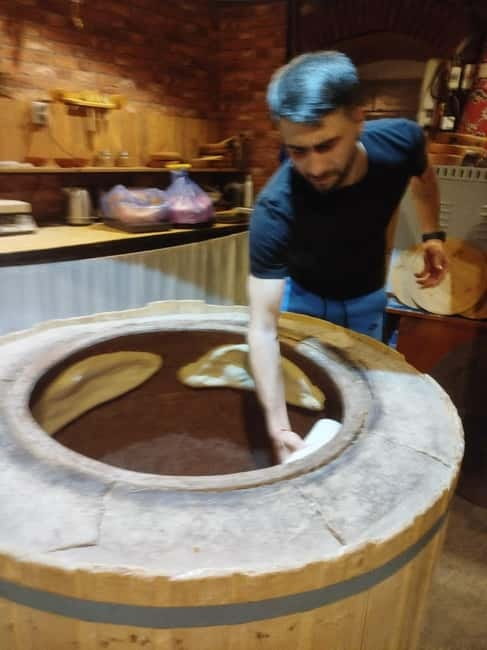
The third lesson covers shoti, a traditional Georgian bread with a soft interior and crisp golden crust. It is described as a staple, and adding it to the class gives you a fuller picture of Georgian baking rather than focusing only on the country’s most famous dishes.
You learn traditional methods associated with a tandoor-like clay oven, along with ways to adapt the process for a home kitchen. That second part is especially helpful. Most people cannot recreate a clay oven in an apartment, so practical home guidance makes the lesson more useful after your holiday.
Shoti also changes the pace of the class. Khachapuri centers on a rich filling, and khinkali requires careful folding. Bread-making brings attention back to dough, heat, and texture. You finish with three different ways to work with flour, each producing a different result.
The supplied details do not promise a particular oven setup at the venue, so I would treat the clay-oven method as part of the teaching rather than assume you will personally bake in a traditional oven. The important takeaway is learning the method and how to adjust it at home.
A friendly class with a home kitchen feel
The atmosphere is a major reason to choose this experience. Dilek specifically praised the warm setting and said the host, Lia, made the group feel at home. That gives you a useful clue about the tone: this is intended to feel personal and welcoming, not like a formal culinary school.
Gabrielle praised the food, the friendly welcome, and the amount served. I would plan to arrive hungry. The class is not only a technical lesson, and the food is part of the reward for the work you put in.
There is also a social side to making dumplings and bread together. You can compare shapes, learn from other people’s mistakes, and share the result. A group of 10 is large enough for conversation but small enough to avoid the detached feeling of a crowded food demonstration.
The rating is 5 out of 5 from three reviews, with praise centered on food, generosity, friendliness, and the host. That is a small sample, so I would not treat it as proof that every session will be identical. Still, the same qualities appear more than once, which makes the welcoming atmosphere a credible reason to book.
What the $76 price includes
At $76 per person, the class is not the cheapest way to eat Georgian food in Tbilisi. You can order khachapuri and khinkali for much less at a local restaurant. The question is what you want from the two hours.
The price includes the cooking class, all necessary ingredients, and the instructor. You are paying for instruction, a small-group setting, hands-on practice, and a meal-sized food experience rather than just a plate arriving at your table.
I see better value here for people who enjoy cooking or want a strong food memory from Georgia. If you are only looking for a quick lunch, the price may feel high. If you want to learn three dishes and take home skills for making them again, the cost becomes easier to justify.
Alcoholic drinks are not included. That is worth noting if you expected wine or beer to be part of a Georgian food experience. The class price covers the cooking side, not a drinks pairing.
Who will enjoy this class most
I would recommend it to first-time visitors who want more contact with Georgian culture than a standard restaurant meal provides. It also suits couples, friends, and small groups who like doing something together rather than sitting through a passive demonstration.
Beginners should feel comfortable booking. The lesson is designed to guide you step by step, and the small group gives you a better chance of receiving help with dough and shaping.
Experienced home cooks can still get value from the class, especially from the khinkali folding technique and the comparison between clay-oven baking and home-kitchen methods. You may not learn every detail of Georgian cuisine in two hours, but you will work on three signature foods with very different techniques.
I would not book this if you have gluten intolerance. All three lessons focus heavily on flour-based dough, and the activity is specifically listed as unsuitable for people with gluten intolerance.
This is also not the right choice if you dislike hands-on cooking, want a quiet meal, or need a fully planned sightseeing activity with fixed transport. The appeal is participation, food, and friendly instruction.
Booking advice for a smoother experience
Book at least two days ahead when possible. The class advises early reservations because last-minute bookings can leave you with fewer choices, and you should keep some flexibility in your schedule for the day.
The booking system allows you to reserve now and pay later, which can help if you are still arranging your Tbilisi plans. You can also cancel up to 24 hours in advance for a full refund, according to the stated terms.
I would wear clothes you do not mind using around flour and food preparation, though no special equipment is listed. Since the meeting point is identified by a banner on a brick wall, save the location details before leaving your accommodation.
Should you book the Tbilisi cooking class?
Book this class if you want to learn Georgian food by making it yourself. The strongest reasons are the focused two-hour format, three well-known dishes, a group capped at 10, and the warm hosting associated with Lia.
The $76 price makes most sense when you count the instruction and food together. It is less suitable for a quick, inexpensive meal or for anyone avoiding gluten. For cooks, curious eaters, and people who enjoy a friendly kitchen setting, this is a practical way to carry a small part of Georgia home with you.
FAQ
How long does the cooking class last?
The experience lasts two hours. Starting times vary, so you need to check availability when booking.
What foods will I learn to make?
You will learn to make khachapuri, khinkali, and traditional Georgian shoti bread.
Are ingredients included?
Yes. All necessary ingredients are included in the price.
Is the class suitable for beginners?
Yes. The class guides participants step by step and is suitable for both experienced cooks and beginners.
What languages does the instructor speak?
The instructor teaches in English and Russian.
How many people can join the class?
The class is limited to 10 participants, making it a small-group experience.
Can people with gluten intolerance participate?
No. The experience is listed as unsuitable for people with gluten intolerance.
Just added in Tbilisi
- Wine Tasting feel the Difference of Qvevri or Classical Wine★ 4.4 · 10 reviews
- From Tbilisi: Kakheti and Kazbegi 2-Day 4X4 Jeep Tour pack★ 5.0 · 6 reviews
- Walking Tour in Old Tbilisi – Group Tour★ 4.5 · 8 reviews
- Uforgatable Kakheti Tour with wine tasting – in Georgia★ 4.9 · 5 reviews
- From Tbilisi: Uplistsikhe Caves and Mtskheta Town Day tour★ 5.0 · 2 reviews
- Tbilisi: Vintage Fashion and Secondhand Thrifting Tour★ 5.0 · 11 reviews
- Tbilisi Airport to Gudauri, Bakuriani, Batumi, Tbilisi★ 5.0 · 3 reviews
- Private Adorable City Tour of Tbilisi★ 5.0 · 3 reviews
Georgian Food Tours, compared.
Georgian Cooking Class with Khinkali and Khachapuri
Read our review →
Private Tbilisi Food Tour: 9 Tastings Walk in Bohemian District
Read our review →
Small-Group Khinkali and Khachapuri Cooking Class in Tbilisi
Read our review →
Cook True Ajarian Khachapuri and Khinkali in Highlanders Style
Read our review →
Old Town and Beyond: A Tbilisi Silk Road Feast with Culinary Backstreets
Read our review →
Taste of Kakheti: Wine Tour Bread Baking & Churchkhela Workshop
Read our review →Browse the lists this tour appears in