
Reviewed · GEORGIAN FOOD TOURS
Kutaisi: Georgian Traditional Food Masterclass at family
At the table, Georgia makes sense. This three-hour family cooking class gives you a practical way to understand Georgian food, with hands-on lessons in khinkali and khachapuri. I like that you do more than watch a demonstration, and I like the chance to share the food in a genuine family setting.
The class also offers useful skills you can take home, from working the dough to handling the savory fillings. The main consideration is that it is not suitable for anyone with gluten intolerance, and the exact meeting point should be confirmed in advance since hotel transport is not included.
In This Review
- Key points to know before booking
- Why this Georgian cooking class is worth your afternoon
- Starting with dough, the foundation of both dishes
- Shaping khinkali without wasting the good part
- Making khachapuri, Georgia’s cheese-filled bread
- The family table is part of the lesson
- What the three-hour schedule should feel like
- Why the private format changes the experience
- Is $70 per person a fair price?
- Who should book this experience?
- Should you book the Kutaisi family cooking class?
- FAQ
- How long does the Georgian food masterclass last?
- Which dishes will I learn to make?
- What is included in the price?
- Is hotel pickup and drop-off included?
- What languages does the instructor speak?
- Is this a private activity?
- Can I cancel for a refund?
Key points to know before booking
- Two Georgian staples: Make khinkali, dumplings filled with broth, spices, and savory filling, plus cheese-filled khachapuri.
- A private group setting: You receive direct guidance rather than joining a large public class.
- Family hospitality: The meal takes place in a local family atmosphere, not simply in a formal cooking school.
- Three hours well spent: There is time to prepare the dough, shape the dishes, learn their background, and enjoy what you make.
- English and Russian instruction: The host can guide you in either language.
- $70 per person: The price covers the class, ingredients, setting, instruction, and family hospitality, but not transport in Kutaisi.
Why this Georgian cooking class is worth your afternoon
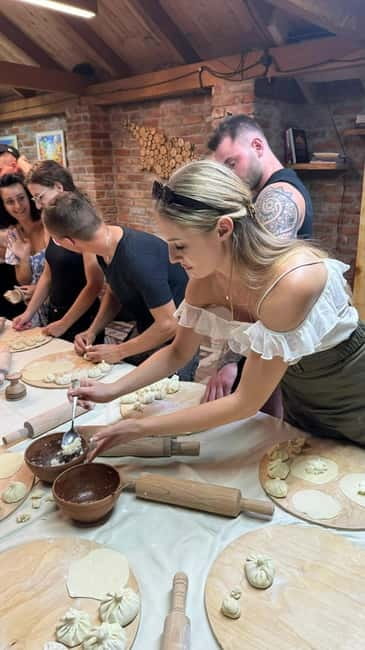
Kutaisi is a good place to connect with Georgian food because the experience is built around cooking and conversation rather than a quick restaurant stop. You are not just handed a plate of khinkali and told how to eat it. You work with the basic elements yourself, then sit down to enjoy the result.
I especially like the balance between food and culture. Khinkali and khachapuri are not obscure dishes chosen for novelty. They are two of the best-known foods in Georgia, so learning how they are made gives you a useful introduction to the country’s home cooking.
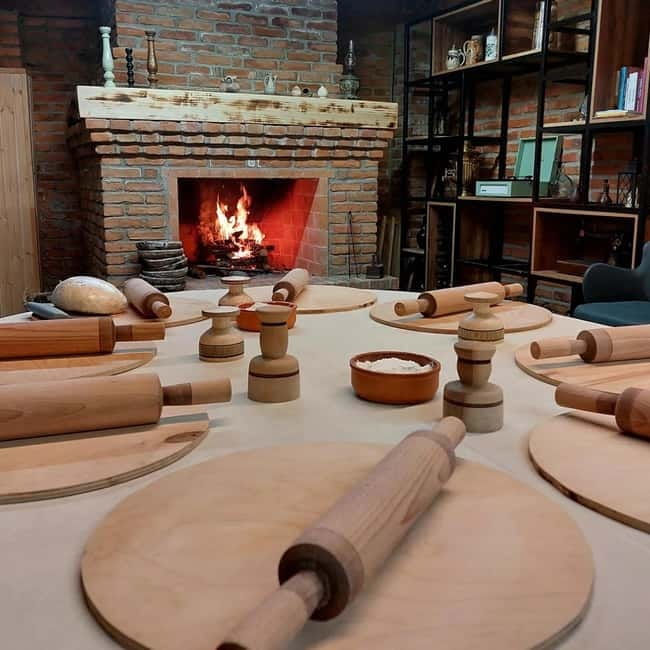
The family setting matters, too. A local home or family space gives the class a more personal feel than a commercial kitchen can usually provide. One verified booking from November 10, 2024, rated the experience five stars and specifically praised the hosts’ hospitality and the beauty of the space. That is useful reassurance if warmth and atmosphere matter as much to you as the recipe.
Still, keep your expectations realistic. This is a focused class lasting three hours, not a full survey of Georgian cuisine. You will concentrate on two dishes, and the information provided does not promise a market visit, a wider tasting menu, or a tour of Kutaisi.
More Food Tours in Kutaisi:
- KUTAISI Family Feast: Experience Georgian Hospitality
★ 5.0 · 6 reviews - Tbilisi: Georgian Cooking Class with Khinkali and Khachapuri
★ 4.7 · 1,146 reviews - Private Tbilisi Food Tour: 9 Tastings Walk in Bohemian District
★ 5.0 · 227 reviews
Starting with dough, the foundation of both dishes
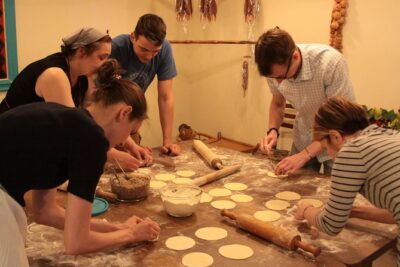
The class centers on dough from the beginning. You learn the traditional techniques for making the dough used in both khinkali and khachapuri, with guidance from the local host and all ingredients supplied.
This hands-on part is one of the strongest reasons to book. Dough looks simple, but its texture affects the final dish. Working it yourself helps you understand the process in a way that watching someone else never quite does. You can ask questions as you go and pick up practical tips for repeating the recipes at home.
The class is also useful for cooks with mixed experience. If you already bake or make dumplings, you will have a familiar starting point. If you rarely cook from scratch, the host’s direct guidance should make the process less intimidating.
The supplied details do not specify the exact flour, mixing method, or cooking equipment. That is not a flaw, but it means you should think of this as a traditional family lesson rather than a technical pastry course with printed measurements and professional workstations.
Shaping khinkali without wasting the good part
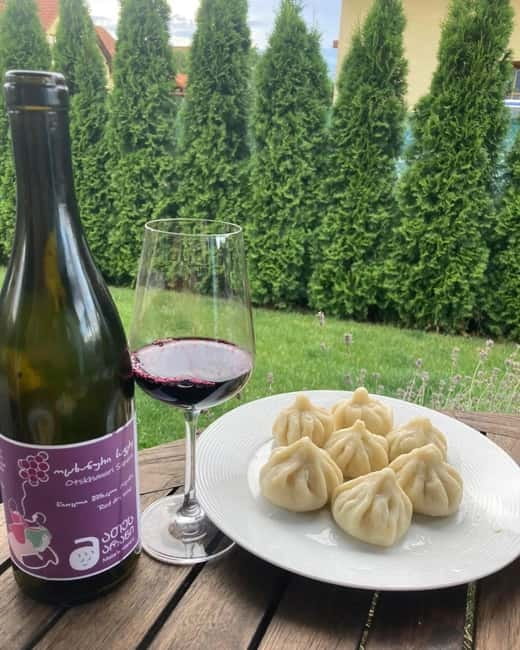
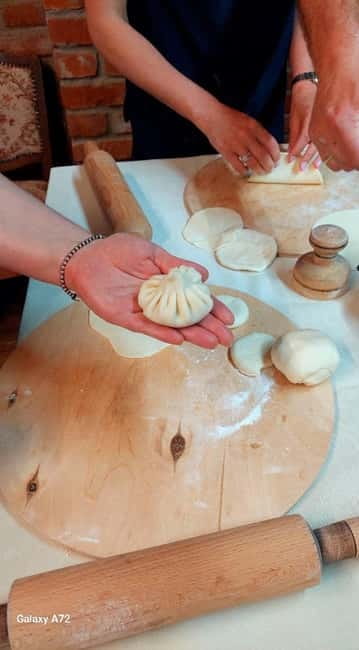
Khinkali are Georgian dumplings made with savory filling, spices, and broth. The broth is the feature that makes them different from many familiar dumplings. When prepared correctly, the filling creates a juicy center inside the dough.
You will learn to shape them by hand, which is the part that often requires the most patience. The folds need to hold together, and the dough needs to contain the filling without tearing. A local family can show you the practical movements and small corrections that are hard to learn from a recipe alone.
This is also where the class becomes more than a meal. You gain a repeatable skill. At home, you may not produce perfect dumplings on the first attempt, but you will understand how the shape is formed and what you are aiming for.
The experience is particularly well suited to people who enjoy active food experiences. You should expect to handle dough and fillings rather than sit back while somebody else does the work. If you want a polished tasting with no kitchen time, choose a restaurant instead.
The description does not specify the exact meat or vegetable filling, so do not book expecting a particular version. The clear promise is khinkali with savory broth and spices, prepared through traditional techniques.
Making khachapuri, Georgia’s cheese-filled bread
Khachapuri is the second main project. It is a cheese-filled bread and one of Georgia’s most recognizable foods. The appeal here is easy to understand: bread, cheese, and a warm family table make a generous introduction to Georgian comfort food.
You will learn how the dough is prepared and how the filling is placed inside. The class description does not identify a regional style, so you should not assume you will make Adjarian khachapuri, the boat-shaped version often associated with Batumi. The experience promises khachapuri, but not one named regional variation.
That uncertainty is worth noting because Georgian food changes from region to region. Still, the broad lesson remains valuable. You learn a dish that is familiar enough to recreate but distinctive enough to bring a clear Georgian touch to your own kitchen.
I like the pairing of khinkali and khachapuri because the two dishes teach different skills. Khinkali focuses on folding and protecting a liquid filling. Khachapuri focuses on bread and cheese. Together, they give you a fuller sense of how Georgian home cooking works.
More things to do in Kutaisi:
- From Tbilisi: Kutaisi Canyons and Caves Full Day Tour
★ 4.8 · 1,051 reviews - Kutaisi: Martvili & Okatse Canyons & Prometheus Cave Tour
★ 4.9 · 829 reviews - From Kutaisi: Guided Tour of Okatse, Martvili, & Prometheus
★ 4.8 · 520 reviews - Kutaisi Canyons and Caves from Tbilisi Full Day Tour
★ 5.0 · 448 reviews
The family table is part of the lesson
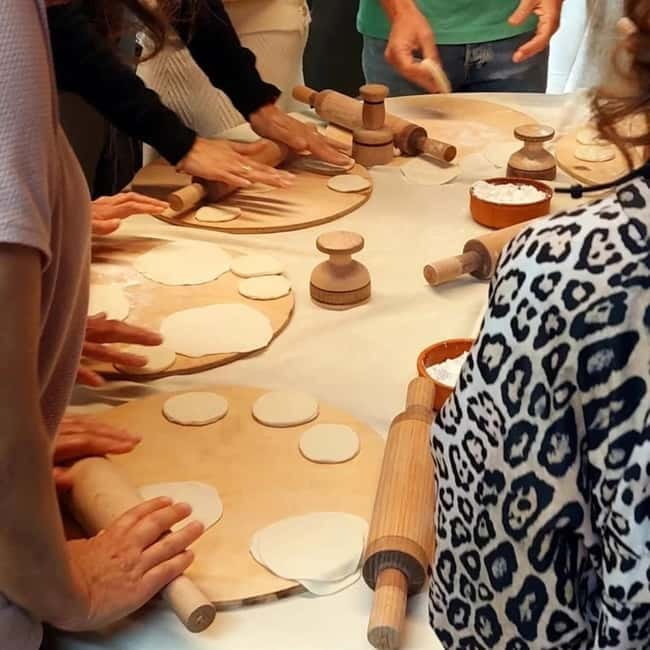
The meal is not an afterthought. Family hospitality and a local atmosphere are included in the experience, so you are encouraged to enjoy the dishes you have made in a welcoming setting.
That hospitality received the strongest praise in the available feedback. Primal, from the United Arab Emirates, gave the experience five stars after a verified booking and highlighted both the hosts’ warmth and the beauty of the space. With only one published rating available, I would treat this as a positive signal rather than a complete statistical picture, but it does point to the human side of the activity.
A family class can also give you cultural context that a recipe card cannot. You learn the stories and traditions connected with khinkali and khachapuri, along with advice for making them at home. The details may arise naturally as you work, so the pace could feel more conversational than a tightly timed demonstration.
That is good news if you want personal contact. It may be less appealing if you prefer a formal lesson with a printed schedule, exact measurements, and a professional culinary classroom.
What the three-hour schedule should feel like
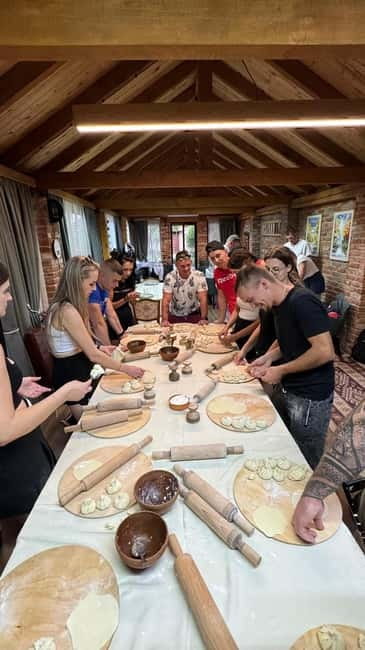
The activity lasts three hours, which is a comfortable length for two dishes. You have enough time to work through the dough, prepare the fillings, shape the food, receive cultural explanations, and eat what you make.
A reasonable expectation is a sequence like this:
- You meet the local host in the family setting and get introduced to the food you will prepare.
- You begin with dough and learn the basic traditional techniques.
- You work on khinkali, including its savory filling, broth, spices, and distinctive shape.
- You prepare and shape khachapuri with its cheese filling.
- You receive advice about reproducing the dishes at home.
- You enjoy the finished food with the family’s hospitality.
The exact order is not stated, so treat this as the flow the experience is designed to provide rather than a guaranteed minute-by-minute timetable.
Three hours is also long enough to make the class feel substantial without taking over your whole day. You can fit it between other Kutaisi plans, though you should confirm the start time because availability varies.
Why the private format changes the experience
This is a private group activity. That is a real advantage for anyone who wants to ask questions or needs the host to slow down during the dough and shaping work.
In a large class, you might spend more time watching than cooking. A private group should give you more room to participate directly, although the size of your private party is not specified. If you are booking for several people, confirm the maximum group size before paying.
The format also suits families, couples, and small groups of friends who want a shared activity. Cooking together creates an easy reason to talk, and the final meal gives everyone something to look forward to.
Solo visitors should check how the private booking works. The experience is described as a private group, but no minimum number of participants is provided. Ask the provider about availability for one person before making firm plans.
Instruction is available in English and Russian. That makes the class practical for many international visitors, but no other teaching language is listed.
Is $70 per person a fair price?
At $70 per person, this is not the cheapest way to eat khinkali and khachapuri in Georgia. A restaurant meal will cost less. You are paying for something different: three hours of instruction, a private group format, ingredients, a prepared setting, cultural explanation, and family hospitality.
I consider the price reasonable if you value participation and want recipes you can use later. The take-home benefit is important. You do not just remember the taste of the meal. You leave with techniques for making two iconic Georgian dishes in your own kitchen.
The value also improves for a small group because the private format gives you a more personal experience. If you are mainly looking for a filling lunch, $70 per person is harder to justify. If you want a cultural activity with food at its center, the price is easier to defend.
Hotel pickup and drop-off in Kutaisi are not included. You need to arrange your own way to the meeting point, and the exact location should be confirmed before booking. The location information identifies the wider area as Samegrelo-Zemo Svaneti while presenting the activity as a Kutaisi experience, so checking the address is especially sensible.
Who should book this experience?
I would recommend this class to you if you enjoy food, want direct contact with a local family, and like the idea of learning by doing. It is also a strong choice if you have already eaten Georgian food and now want to understand how the dishes are made.
It suits:
- Couples looking for a shared cultural activity
- Families and small private groups
- Home cooks who want reliable techniques
- First-time visitors seeking an introduction to Georgian cuisine
- People who prefer a personal family setting over a large cooking school
You should think twice if you have gluten intolerance, since the experience is specifically unsuitable for you. It may also disappoint if you want a broad menu, a city sightseeing tour, or professional chef training.
Book with some flexibility. The provider asks you to contact them in advance to check availability for your preferred dates and to remain flexible if possible. You can reserve now and pay later, and cancellation is free up to 24 hours before the activity for a full refund.
Should you book the Kutaisi family cooking class?
Book it if your ideal Georgian experience includes flour on your hands, a private table, and a meal made with help from a local family. The strongest reason to go is the combination of practical skills and personal hospitality, with khinkali and khachapuri providing two especially good subjects.
Skip it if you need a gluten-free activity, hotel transportation, or a larger tour covering many Georgian dishes. For everyone else, $70 buys more than food. It buys time with a family, instruction you can use at home, and a closer understanding of two dishes that are central to Georgian dining.
FAQ
How long does the Georgian food masterclass last?
The masterclass lasts three hours.
Which dishes will I learn to make?
You will learn to make khinkali and khachapuri.
What is included in the price?
The price includes the culinary masterclass, local host guidance, all necessary ingredients and the activity setting, plus family hospitality and an authentic local atmosphere.
Is hotel pickup and drop-off included?
No. Hotel pickup and drop-off in Kutaisi are not included.
What languages does the instructor speak?
Instruction is available in English and Russian.
Is this a private activity?
Yes. The experience is offered for a private group.
Can I cancel for a refund?
Yes. You can cancel up to 24 hours in advance for a full refund. You can also reserve now and pay later.
Just added in Kutaisi
- Wine & Dine group tour from Kutaisi★ 4.6 · 3 reviews
- Wild Caving Experience in Melouri Cave Near Kutaisi★ 5.0 · 3 reviews
- Private tour from KUTAISI: Bagrati, Gelati and Motsameta★ 5.0 · 5 reviews
- Private Car – From Tbilisi, Kutaisi, Martvili Canyons, caves★ 5.0 · 1 review
- Full Day Tour To Kutaisi, Prometheus Caves, Bagrati and Gelati★ 5.0 · 1 review
- Tour to Kutaisi from Tbilisi (Sataplia Reserve, Bagrati, Gelati, Motsameta)★ 5.0 · 2 reviews
- Kutaisi, Martvili Canyon & Prometheus Cave Tour from Tbilisi★ 5.0 · 3 reviews
- 2-Day Kutaisi Tour: Caves, Canyons & Soviet Sanatoriums★ 5.0 · 12 reviews
Georgian Food Tours, compared.
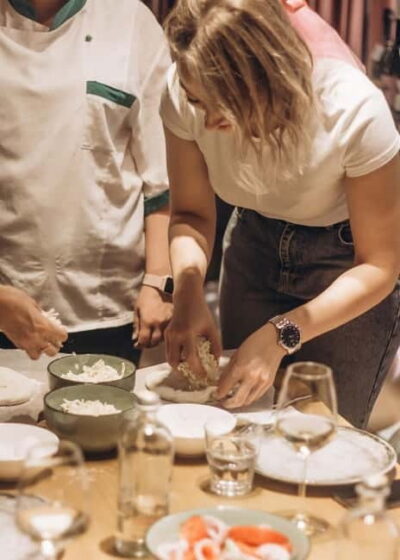
Georgian Cooking Class with Khinkali and Khachapuri
Read our review →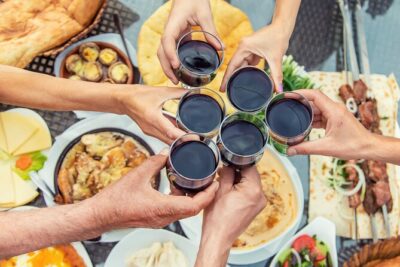
Private Tbilisi Food Tour: 9 Tastings Walk in Bohemian District
Read our review →
Small-Group Khinkali and Khachapuri Cooking Class in Tbilisi
Read our review →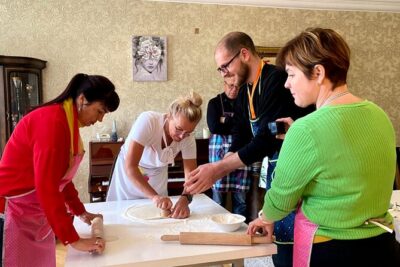
Cook True Ajarian Khachapuri and Khinkali in Highlanders Style
Read our review →
Old Town and Beyond: A Tbilisi Silk Road Feast with Culinary Backstreets
Read our review →
Taste of Kakheti: Wine Tour Bread Baking & Churchkhela Workshop
Read our review →Browse the lists this tour appears in