
Reviewed · WORKSHOPS
Leathercrafting Workshop in Tbilisi
Make something you can actually use. This two-hour Tbilisi leathercraft workshop gives you more than a quick souvenir hunt: you learn to cut, sew, and shape leather, then take your finished piece home. I like the hands-on format and the very small group size, which is limited to two people. The main consideration is the narrow schedule, since the workshop is listed for Tuesdays from 3:30 to 5:30 PM.
I also like that you need to bring only yourself. You can choose from a wallet, belt, small accessory, or a similar project, and the instructor stays available during the session and beyond the class if you want to keep practicing during your time in Georgia. At $69.79 per person, it is not a cheap craft lesson, but the price makes more sense if you value personal instruction and a useful handmade item rather than a standard sightseeing stop.
In This Review
- Key points at a glance
- What this Tbilisi workshop is really about
- Arriving at 15 Lubლიანას ქუჩა
- The first stage: learning how leather is shaped
- Cutting and sewing your own piece
- Choosing between a wallet, belt, and accessory
- Why the two-person limit matters
- The instructor’s role after the class
- Is $69.79 a fair price?
- Who should book this activity?
- Booking timing and cancellation
- My verdict on this small Tbilisi craft class
- FAQ
- How long does the leathercrafting workshop last?
- Where does the workshop begin?
- Where does the activity end?
- What can I make during the workshop?
- Do I need to bring tools or materials?
- How many people can join?
- When is the workshop available?
- Is the workshop close to public transportation?
- Can I cancel for a full refund?
Key points at a glance
- A true hands-on project: You learn to cut and sew leather instead of simply watching a demonstration.
- A finished item to take home: Make a wallet, belt, small accessory, tool belt pouch, or coin purse during the session.
- A maximum of two people: The small format allows close attention and suits couples or friends who want a private activity.
- A central Tbilisi setting: The workshop is at 15 Lubლიანას ქუჩა, in the center of Tbilisi, with public transportation nearby.
- A useful skill after class: The instructor explains enough of the process for you to continue making leather goods on your own.
- A fixed Tuesday afternoon: The scheduled time is 3:30 to 5:30 PM, so check this carefully before building it into your plans.
What this Tbilisi workshop is really about
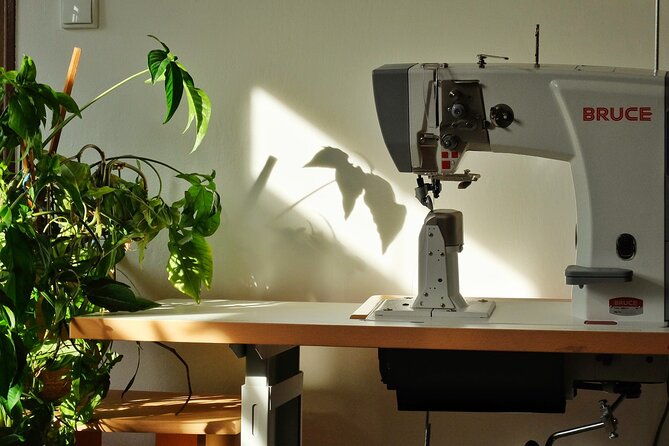
Many craft activities leave you with a trinket and a few photographs. This one aims for something more practical. You work with leather, learn the basic process, and finish with an object you can use at home.
The appeal is not only the finished wallet or belt. Leathercraft rewards patience. You need to handle the material carefully, follow the cut, and sew with some control. Even in two hours, you get a feel for why handmade leather goods take time and why small mistakes matter.
The workshop also gives you a break from Tbilisi’s usual sightseeing rhythm. After churches, balconies, museums, and long café stops, sitting down to make something with your hands can be a welcome change. It is a quiet, focused activity with a clear result.
The class is held in a central Tbilisi workshop at 15 Lubლიანას ქუჩა. Public transportation is nearby, which helps if you are moving around the city without a car. The activity begins and ends at this same meeting point, so you do not need to arrange a separate return transfer.
More things to do in Tbilisi:
- Tbilisi: Day Trip to Kazbegi, Gudauri, Gergeti, and Ananuri
★ 4.9 · 3,203 reviews - Day Trip to Kakheti Wine Region Including 9 Wine Tastings
★ 5.0 · 2,774 reviews - Highlights of Caucasus Mountains-Jinvali,Ananuri,Gudauri,Kazbegi(Group tour)
★ 5.0 · 2,682 reviews
Arriving at 15 Lubლიანას ქუჩა
Plan to arrive at the stated meeting point in central Tbilisi for the 3:30 PM start. The provided details do not give a detailed route from a particular hotel or metro station, so use the full address when checking your transport.
The central location is helpful because you can pair the class with other plans in the city. Still, I would avoid scheduling a distant attraction immediately before it. Tbilisi traffic and hills can make short distances feel longer, and a late arrival would cut into your time with the leather.
The workshop ends back at the meeting point at about 5:30 PM. That makes it easy to continue with dinner or an evening walk, though the activity itself is not described as a walking tour or a city excursion.
This is a mobile-ticket activity. You do not need to carry printed paperwork, but keep your booking details available on your phone.
The first stage: learning how leather is shaped
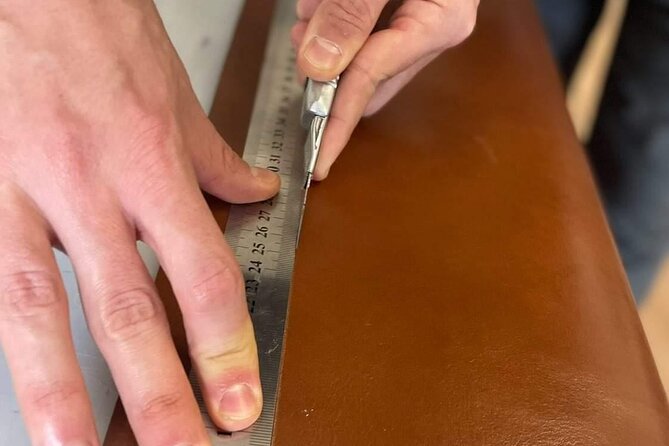
The session begins with instruction on how to work with the material. You are shown how to cut leather and how the separate pieces become a finished object.
That first stage matters because leather is not like ordinary fabric. A cut cannot simply be erased, and a poor edge can affect the whole item. The value of having an instructor beside you is that you can get help before a small error turns into a ruined piece.
The exact design choices are not specified, so you should think of the listed projects as the main guide rather than a promise of every possible style. You may make a wallet, belt, or small leather accessory. A small tool belt pouch and coin purse are also practical examples of what can be completed.
I like this range because it gives you room to match the project to your patience and interests. A compact accessory may be a sensible choice if you want a clear finished result in two hours. A belt may appeal more if you want a larger item, but the available time and design options should be confirmed when you arrive.
Cutting and sewing your own piece
The central part of the activity is doing the work yourself. You cut the leather, prepare the parts, and sew them into a usable object with guidance along the way.
That distinction is important. This is not a workshop where the instructor makes the item while you add one decorative mark. Your hands are involved throughout the process, and the finished object carries the small quirks of something made by you.
The instructor is available during the whole stay. That should be especially useful if you have never worked with leather before. You do not need to arrive with a craft background, and the activity says most people can participate.
The class also offers a useful lesson in scale. A small coin purse may look simple, but clean cutting and even stitching still take care. A tool belt pouch, like the one made by Joel, gives you a more substantial object without asking you to complete a large and complicated project. Maren made a small coin purse, showing how the class can work for different tastes within the same session.
A completely different kind of day:
- From Tbilisi: Kakheti Wine Region Tour with 9 Wine Tastings
★ 4.9 · 2,541 reviews - Tbilisi: Mtskheta, Jvari, Gori and Uplistsikhe Day Tour
★ 4.9 · 2,396 reviews - From Tbilisi to Kazbegi, Ananuri, Gudauri & Gergeti
★ 4.9 · 2,278 reviews - Tbilisi: Kakheti Wine Region Tour with 10 Wine Tastings
★ 5.0 · 2,160 reviews
Choosing between a wallet, belt, and accessory
Your project choice will shape the session. A wallet or coin purse is compact and practical. It should suit you if you want a manageable keepsake that will fit easily into your luggage.
A belt is a bigger commitment. It may be appealing if you want something distinctive to wear, but the supplied information does not specify the range of belt designs, leather colors, hardware, or sizing options. Ask about those details before you settle on it.
Small accessories provide a middle ground. A tool belt pouch has a clear function and a satisfying shape, while other small items may offer a simpler route to a finished product. If your priority is leaving with something complete, I would ask the instructor which option best fits the two-hour window.
The class description promises that you can take your finished product home straight away. That is one of the strongest reasons to book this instead of a general introduction to leatherwork. You are not waiting for an item to be mailed later, and you leave with a physical reminder of your afternoon in Tbilisi.
Why the two-person limit matters
The maximum group size is two people. That is unusually small for a city activity and changes the feel of the class.
With only one other participant, you should have a better chance of asking questions as you work. If you and a partner book together, each of you can choose a different project while sharing the same instruction. Joel and Maren did exactly that with a tool belt pouch and coin purse.
This format also suits people who dislike large group classes. You are not competing for access to tools or waiting for a long line of classmates to receive help. The instructor can focus on the details of your work.
The limit has a trade-off. A two-person class may feel personal, but it also means this is not a lively group social activity. If you want to meet a crowd or make friends with several other people, this is probably not the right choice. It is better suited to a couple, two friends, or a solo participant who wants direct attention.
The instructor’s role after the class
The workshop promises help throughout your stay, not only during the scheduled class. That is an appealing touch for anyone who catches the leathercraft bug while in Georgia.
You should treat this as continuing support rather than a full multi-day course. The details do not state how that support is delivered or how much additional instruction is included. Still, the offer adds value because you are not simply sent away with a finished object and no idea how to repeat the process.
The class is designed to show you the basics so you can make leather goods on your own later. That makes it more worthwhile for a curious beginner than an activity built only around a one-off souvenir.
I would ask practical questions at the workshop: which tools are safe to use alone, what type of leather is easiest for a first project, and which mistakes are hardest to fix. Those answers could help you continue the hobby after returning home.
Is $69.79 a fair price?
At $69.79 per person, this sits above the price of many short city activities. The value depends on what you want from the afternoon.
You are paying for roughly two hours of instruction, a maximum group size of two, the materials and tools needed for the class, and a finished leather item to take home. You also receive guidance intended to help you continue the craft later.
The price is easier to justify if you compare it with buying a handmade leather product in Tbilisi. Here, you are not only purchasing the object. You are also making it and learning the process behind it. That personal work gives the item more meaning than a ready-made belt or wallet from a shop.
Still, the exact material allowance and project specifications are not provided. You may want to confirm what is included before booking if you have a strict budget or a particular design in mind.
For a couple, the private two-person setup may offer good value. For a solo visitor, the cost is higher per hour than a larger class, but you may receive more individual help. I would book it for the instruction and personal experience, not simply as the cheapest way to obtain a leather souvenir.
Who should book this activity?
I would recommend it to you if you enjoy making things, want a break from standard sightseeing, or like souvenirs with a story attached. It also suits anyone curious about leathercraft but unsure where to begin.
Couples have a natural advantage here because the format is capped at two. You can make different items and compare the results at the end. Friends can do the same, and a solo participant can still take part because the class is not dependent on bringing a partner.
The workshop may also suit families with older children, but the supplied details do not state a minimum age. Check that point before booking if a child will join.
You do not need to bring materials or equipment. Just arrive at the workshop. Service animals are allowed, and most people can participate, though the information does not give further accessibility details.
I would be less likely to recommend it to you if your schedule is already packed or if you want a flexible drop-in activity. The listed opening time is Tuesday from 3:30 to 5:30 PM, and the experience is not presented as available throughout the day.
Booking timing and cancellation
The activity is booked an average of five days ahead, so I would not leave it until the last minute if this is important to your Tbilisi plans. The two-person limit can make a small workshop fill faster than a large group outing.
Free cancellation is available if you cancel at least 24 hours before the local start time. A cancellation made less than 24 hours in advance is not refunded, and changes inside that window are not accepted. Keep the Tuesday afternoon schedule in mind before reserving.
The activity is offered under the stated schedule from February 25, 2023 through June 17, 2026, with Tuesday sessions from 3:30 to 5:30 PM. Since opening dates and times can change, check the current booking details before you pay.
My verdict on this small Tbilisi craft class
I like this experience because it gives you a skill, a finished object, and a personal afternoon in central Tbilisi. The strongest feature is the maximum of two participants. That makes hands-on instruction much more believable than it would be in a large class.
The limits are clear too. The schedule is narrow, the price is not budget-level, and the exact project menu and materials are not fully described. You should confirm the available designs if you have your heart set on a particular belt, wallet, or accessory.
Book it if you want to make something useful and are happy to spend $69.79 for focused instruction and a take-home piece. Skip it if you only want a quick souvenir or need an activity at a different time. For a creative couple or a curious solo visitor, this is a thoughtful way to spend two hours away from the usual Tbilisi sightseeing route.
FAQ
How long does the leathercrafting workshop last?
The experience lasts approximately two hours, from 3:30 PM to 5:30 PM.
Where does the workshop begin?
It begins at 15 Lubლიანას ქუჩა, Tbilisi, Georgia.
Where does the activity end?
The activity ends back at the meeting point.
What can I make during the workshop?
You can make a wallet, belt, or small leather accessory. A small tool belt pouch and coin purse are also examples of possible finished items.
Do I need to bring tools or materials?
No. The instructions say you only need to bring yourself.
How many people can join?
The activity has a maximum of two participants.
When is the workshop available?
The listed opening time is Tuesday from 3:30 PM to 5:30 PM, for the stated period ending June 17, 2026.
Is the workshop close to public transportation?
Yes. The workshop is listed as being near public transportation.
Can I cancel for a full refund?
Yes, if you cancel at least 24 hours before the experience start time. Cancellations made less than 24 hours in advance are not refunded, and changes within that period are not accepted.
Just added in Tbilisi
- Wine Tasting feel the Difference of Qvevri or Classical Wine★ 4.4 · 10 reviews
- From Tbilisi: Kakheti and Kazbegi 2-Day 4X4 Jeep Tour pack★ 5.0 · 6 reviews
- Walking Tour in Old Tbilisi – Group Tour★ 4.5 · 8 reviews
- Uforgatable Kakheti Tour with wine tasting – in Georgia★ 4.9 · 5 reviews
- From Tbilisi: Uplistsikhe Caves and Mtskheta Town Day tour★ 5.0 · 2 reviews
- Tbilisi: Vintage Fashion and Secondhand Thrifting Tour★ 5.0 · 11 reviews
- Tbilisi Airport to Gudauri, Bakuriani, Batumi, Tbilisi★ 5.0 · 3 reviews
- Private Adorable City Tour of Tbilisi★ 5.0 · 3 reviews
Workshops, compared.

Georgian Cooking Class with Khinkali and Khachapuri
Read our review →
Small-Group Khinkali and Khachapuri Cooking Class in Tbilisi
Read our review →

Taste of Kakheti: Wine Tour Bread Baking & Churchkhela Workshop
Read our review →
Nana’s Kitchen – traditional Georgian cooking class at real Georgian family home
Read our review →
Join a Local for a Market Tour, Cooking Class and Meal in her Tbilisi Home
Read our review →
Browse the lists this tour appears in