
Reviewed · WALKING TOURS
Tbilisi: Discover the Soviet Past Walking Tour
Soviet Tbilisi still speaks through concrete. I like the way this two-hour walk connects Soviet architecture with ordinary family life, and I like its personal angle on surveillance, shortages, politics, and whispered truths. The meeting point at Freedom Square, beside the Gryphon statue, is easy to find.
The main thing to consider is that two hours can feel brief for such a large subject. This is also a walking tour, and it is not suitable for wheelchair users. Still, at $26 per person, it offers a sharp, focused way to understand the part of Tbilisi that grand sightseeing often skips.
In This Review
- Key points before you book
- Why Soviet Tbilisi needs its own walking tour
- Starting at Freedom Square
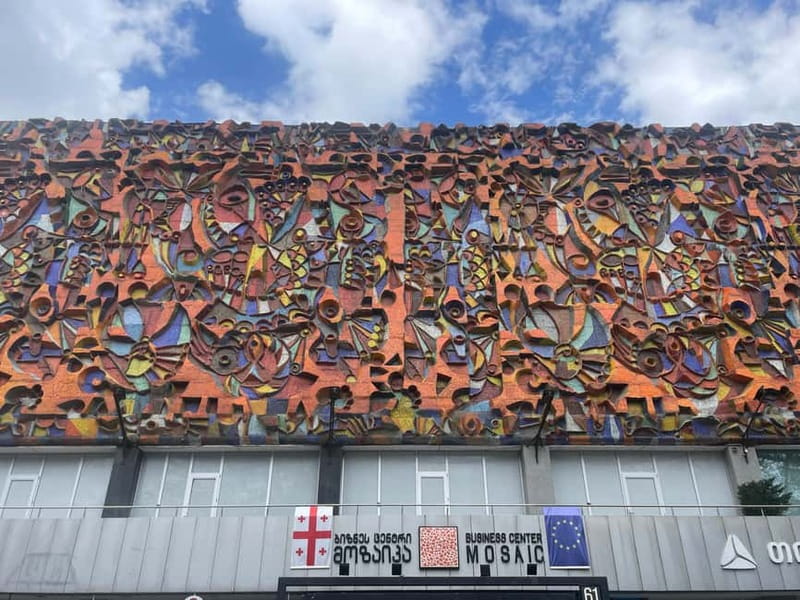
- Reading the city through Soviet design
- Politics, propaganda, and the rules of public speech
- Family life and the stories that stayed off the page
- Natalie’s conversational guiding style
- What two hours can and cannot cover
- Is $26 good value?
- Who should book this walk?
- Practical advice for making the most of it
- Should you book the Soviet Past Walking Tour?
- FAQ
- Where does the Soviet Past Walking Tour meet?
- How long does the tour last?
- How much does the experience cost?
- What language is the tour offered in?
- Is there a live guide?
- What subjects does the tour cover?
- Does the tour include Soviet architecture?
- Is the tour suitable for wheelchair users?
- Can I cancel for a full refund?
- Do I have to pay when I book?
Key points before you book
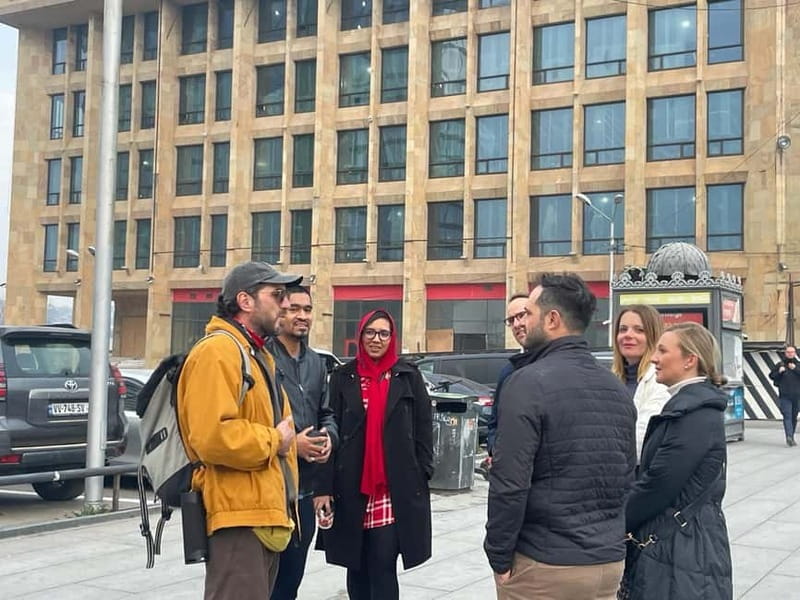
- Freedom Square starting point: Meet your English-speaking guide in front of the Gryphon statue, an easy central landmark.
- Personal stories over dry lectures: Natalie, also written as Natalia in one account, is praised for warmth, energy, and a conversational style.
- Soviet design in real city spaces: The walk uses architecture and urban planning to show how power shaped daily surroundings.
- Life under surveillance: Expect discussion of politics, propaganda, fear, family life, and the things people knew but rarely saw in print.
- Small-group feel: The format allows room for questions and can adapt to what you most want to understand.
- Flexible booking: You can reserve now and pay later, with free cancellation up to 24 hours before the start.
Why Soviet Tbilisi needs its own walking tour
Tbilisi is often introduced through old balconies, churches, courtyards, and winding streets. Those sights matter, but they tell only part of the city’s story. Georgia’s Soviet decades shaped housing, public space, work, schooling, family choices, and the way people spoke in public.
This tour focuses on that less polished layer. You are not simply looking at gray buildings and being told when they were built. You are asked to think about why they were built that way, what they were meant to communicate, and how people actually used them.
That difference matters. Soviet architecture can look stern or plain when viewed from a distance. With the right explanation, it becomes a record of political ideas. Large public spaces could project control. Repeated building designs could express equality, at least in theory. Practical housing could also reveal how many families were expected to live and what privacy meant in practice.
The tour also moves beyond architecture. You hear about propaganda, constant observation, household concerns, and information that circulated quietly from person to person. That human scale is the real reason to book it. You get a better sense of how a political system reached into everyday decisions.
More Walking Tours in Tbilisi:
- Tbilisi Walking Tour Including Cable Car and Traditional Bakery
★ 5.0 · 1,310 reviews - Tbilisi: City Highlights Guided Walking Tour
★ 4.9 · 1,114 reviews - Tbilisi:Evening Walking & Talking Tour with Wine & Boat Ride
★ 5.0 · 572 reviews
Starting at Freedom Square
Freedom Square is a useful place to begin because it is central, recognizable, and tied to Georgia’s public life. Your guide waits in front of the Gryphon statue, so you do not need to search through a hotel lobby or a confusing side street.
From here, the tour sets up the broad subject before moving into the city. Expect an explanation of Soviet influence in Georgia and how the country’s recent past connects to its independence. One of the strongest parts of the experience is this link between past and present.
You are not looking at the Soviet period as a sealed-off chapter. Instead, you consider how that era still affects the way Georgia understands national pride, outside power, and independence. This helps prevent the tour from becoming a collection of dates and political names.
The opening should also give you a chance to explain what interests you. If you want more about architecture, family life, Russian influence, or Georgia’s road to independence, say so early. The guiding style is described as flexible rather than fixed, with questions shaping the conversation.
Reading the city through Soviet design
The architecture is not just a backdrop. It is one of the main tools used to explain the era.
As you walk, your guide points out striking examples of Soviet design and urban planning. The supplied details do not name every building or promise entry inside particular sites, so you should expect an exterior walking route rather than a museum tour. The value comes from learning how to read what you see.
Look for the ideas behind the forms. Public buildings, housing, open spaces, and large-scale planning can tell you about authority and social order. A design may have aimed to make life more efficient, to display state power, or to create a shared public identity.
The most useful commentary connects these ideas to people. Architecture can reveal what the government wanted citizens to believe, but daily use reveals something else. A building designed around official ideals might be altered by families, crowded by necessity, or remembered in a way that official planners never intended.
I like this approach because it gives you something to notice for the rest of your time in Tbilisi. After the tour, you may find yourself paying closer attention to the city’s Soviet-era streets rather than treating them as ordinary concrete blocks.
Politics, propaganda, and the rules of public speech
The tour also examines the political machinery around everyday life. Propaganda is not treated as an abstract subject. It is connected to the messages people saw, the opinions they could express, and the gap between public language and private belief.
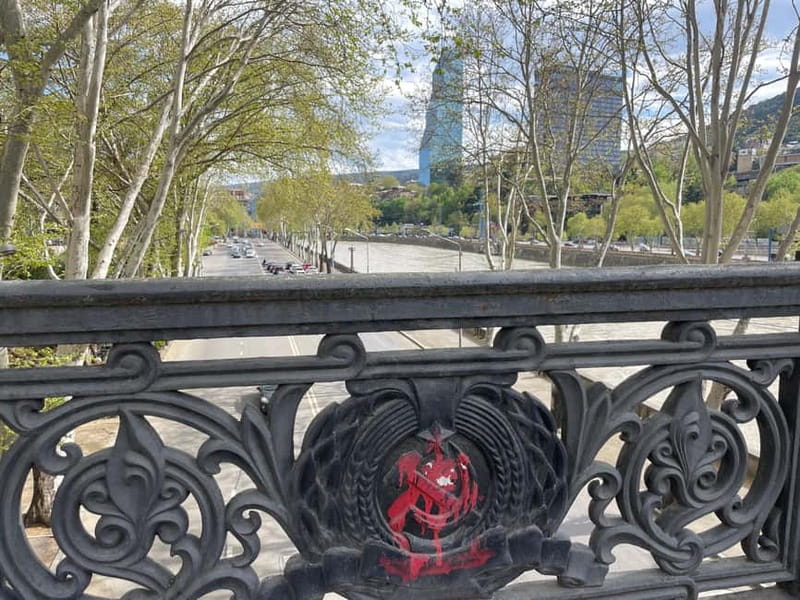
The discussion of surveillance is especially important. Living under observation did not mean that every moment was dramatic. Often, the pressure showed up in smaller ways: knowing what not to say, deciding whom to trust, or keeping certain opinions inside the family.
That is where personal stories can do more than a standard timeline. The guide’s role is to explain what constant surveillance felt like and how people adjusted to it. The focus is not only on officials and institutions, but also on the small acts of caution that shaped social life.
You should also expect some quirky details and personal stories. One particularly useful quality of the guiding style is restraint. The information is presented in manageable pieces rather than long speeches, leaving space for questions and conversation.
For me, that balance makes the subject easier to absorb. Soviet politics can become heavy very quickly, but a personal anecdote or odd detail can show how strange the period was without making light of its hardships.
More things to do in Tbilisi:
- Tbilisi: Day Trip to Kazbegi, Gudauri, Gergeti, and Ananuri
★ 4.9 · 3,203 reviews - Day Trip to Kakheti Wine Region Including 9 Wine Tastings
★ 5.0 · 2,774 reviews - Highlights of Caucasus Mountains-Jinvali,Ananuri,Gudauri,Kazbegi(Group tour)
★ 5.0 · 2,682 reviews - From Tbilisi: Kakheti Wine Region Tour with 9 Wine Tastings
★ 4.9 · 2,541 reviews
Family life and the stories that stayed off the page
The most distinctive promise of this experience is its attention to things that were known and whispered about but rarely found in official books. That might include household pressures, private opinions, social habits, or the practical ways people coped with a system that demanded public conformity.
You are not promised a sensational collection of secrets. The value is subtler. You get a sense of how major political systems entered kitchens, schools, workplaces, and conversations between neighbors.
Family life is an important part of that picture. Political history often tells you what leaders decided. This tour asks what those decisions meant for people at home. How did families discuss sensitive subjects? What did children understand? What could be said to friends, and what stayed within the household?
The guide’s personal connection to the period gives the subject a warmer human frame. The experience is presented through someone who lived through the era or has close knowledge of people who did. That does not replace written research, but it adds a kind of detail that formal accounts often miss.
If you want only dates, leaders, and official events, this may not be your ideal tour. If you want to understand how political pressure felt in ordinary life, it is a much better fit.
Natalie’s conversational guiding style
The guide is one of the clearest strengths of this experience. Natalie is described as warm, lively, energetic, and deeply committed to the subject. Another account uses the spelling Natalia, so you may see either version connected with the guide.
What matters more than the spelling is the style. The tour is designed to feel like a conversation with a well-informed local rather than a recital. You can ask questions, follow an unexpected subject, and shape part of the discussion around your own interests.
This makes a difference on a topic that can otherwise feel distant. The guide’s enthusiasm helps bring the past closer without turning it into a performance. Personal stories, quirky details, and historical explanation are mixed together.
English ability is also important here. The tour is offered in English, and the guide has been praised for speaking clearly and explaining Georgia’s recent past in an accessible way. That makes the experience suitable for visitors who want more than a quick overview but do not have specialist knowledge.
The small-group format supports this approach. A smaller group usually gives you a better chance to ask a question, hear the answer clearly, and keep the pace comfortable. The exact group size is not stated, so I would not expect a private tour unless your booking specifically says so.
What two hours can and cannot cover
Two hours is enough for a strong introduction, not a complete account of Soviet Georgia. The tour appears to move at a steady pace through selected locations, using each one to explain a wider theme.
That time limit is both an advantage and a drawback. You get a focused experience that can fit neatly into a morning or afternoon. You do not spend half a day on a single historical subject when you may also want to see Tbilisi’s older districts, markets, museums, and churches.
At the same time, the Soviet period is too large for every subject to receive equal attention. You may leave with new questions about particular political events, buildings, or family experiences. I see that as a useful result, but you should not book this expecting a full academic course.
The best way to use the two hours is to arrive with one or two questions. You might ask about Russian influence, independence, surveillance, architecture, or the difference between official Soviet ideals and life in Georgia. A focused question can turn a general tour into a more personal one.
Is $26 good value?
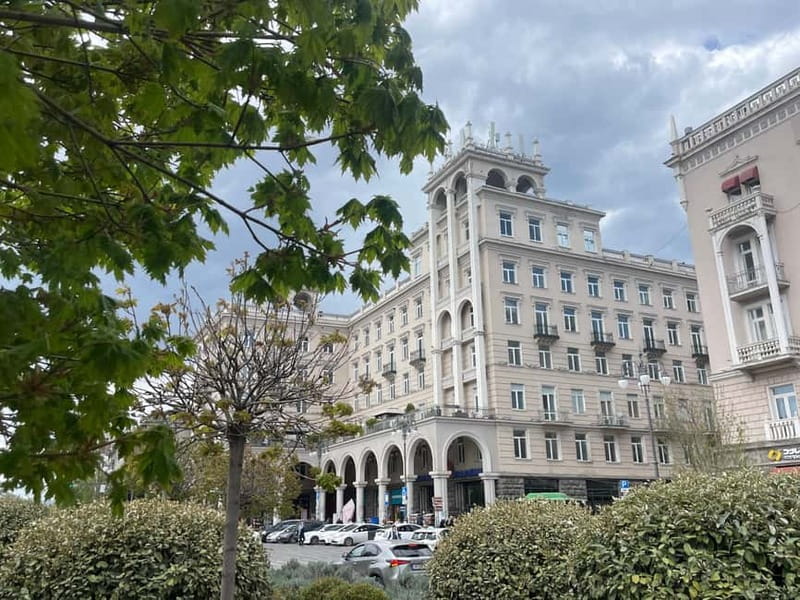
At $26 per person, this is good value if you want context rather than simple sightseeing. The price covers a two-hour guided walk, a planned route, English commentary, architectural interpretation, cultural detail, and access to personal perspectives that are difficult to get from signs or guidebooks.
You are paying for interpretation. You could walk past Soviet buildings on your own for free, but you would miss much of the meaning behind them. The guide helps connect the physical city with surveillance, propaganda, family life, and national identity.
The price is also reasonable for a small-group experience, especially if the group remains compact enough for conversation. The exact group size is not supplied, so I would judge the value partly by how much you enjoy asking questions and discussing the subject.
It is less suitable if you want a broad city tour with many famous sights. This is a specialist walk. Its value rises sharply if you already have a basic feel for central Tbilisi and want to understand what came later.
You can reserve now and pay later, which helps if your schedule is still changing. Cancellation is free up to 24 hours before the start for a full refund. Starting times vary, so check availability before planning the rest of your day.
Who should book this walk?
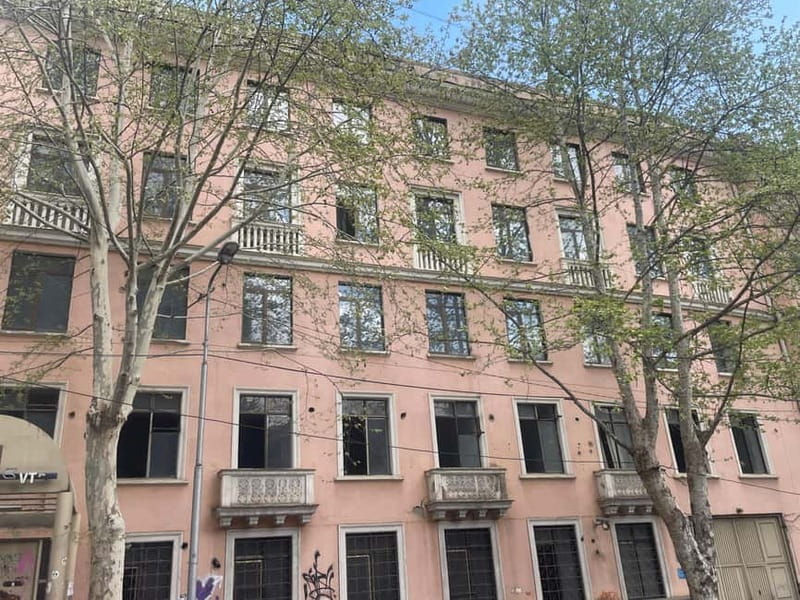
I would recommend it to first-time visitors who want to understand modern Georgia, not just admire its older monuments. It is also a strong choice if you have already seen the main sights and want a more serious look at the city’s recent past.
History-minded visitors will find plenty to consider, but you do not need specialist knowledge. The conversational style makes the subject approachable, and the guide can respond to the questions you bring.
This experience suits you particularly well if you:
- Want personal stories rather than only official political history
- Are curious about Soviet architecture and city planning
- Want to understand Georgia’s independence in a wider context
- Prefer a small-group walk with time for questions
- Enjoy tours led by a lively local guide
- Have two hours available for a focused historical experience
I would be more cautious if you have limited mobility, since wheelchair users are not accepted. You should also choose another activity if you want indoor visits, extensive museum time, or a full survey of every period in Georgian history.
Practical advice for making the most of it
Meet at Freedom Square, in front of the Gryphon statue. It is an iconic location, but arrive with enough time to identify the statue and find your guide without a rushed start.
Wear comfortable shoes. The experience lasts two hours and follows a walking route, with the city itself serving as the main setting. The information provided does not specify the amount of walking, terrain, or indoor access, so plan for an active urban walk rather than a seated talk.
Keep your questions ready. The strongest feature of the tour is its conversational quality, and the guide can respond more usefully when you explain what you want to learn.
If your schedule allows, place this tour early in your stay. It can change how you look at later walks through Tbilisi, especially when you notice Soviet buildings, public spaces, or signs of Georgia’s changing relationship with its past.
Should you book the Soviet Past Walking Tour?
Book it if you want the human story behind Tbilisi’s Soviet-era buildings. At $26, the tour gives you a compact route, clear English commentary, personal context, and a way to connect architecture with surveillance, politics, family life, and independence.
The strongest reason to go is Natalie’s engaging style. Her warmth, energy, personal stories, and willingness to answer questions make a difficult subject easier to follow. The main limits are the short two-hour schedule, the walking format, and the lack of wheelchair suitability.
For a visitor who wants only famous landmarks, this will feel too specialized. For you, if understanding Georgia’s recent past matters, it is one of the more useful ways to spend two hours in central Tbilisi.
FAQ
Where does the Soviet Past Walking Tour meet?
The guide meets you at Freedom Square, in front of the Gryphon statue.
How long does the tour last?
The walking tour lasts two hours.
How much does the experience cost?
The listed price is $26 per person.
What language is the tour offered in?
The tour is conducted in English.
Is there a live guide?
Yes. The experience includes a live local guide.
What subjects does the tour cover?
It covers Soviet politics, propaganda, surveillance, family life, daily struggles, architecture, urban planning, cultural details, and Georgia’s recent past.
Does the tour include Soviet architecture?
Yes. The route includes examples of Soviet design and urban planning, with commentary explaining their meaning and context.
Is the tour suitable for wheelchair users?
No. The experience is listed as unsuitable for wheelchair users.
Can I cancel for a full refund?
Yes. You can cancel up to 24 hours before the tour for a full refund.
Do I have to pay when I book?
No. The reserve now and pay later option lets you secure a place without paying immediately.
Just added in Tbilisi
- Wine Tasting feel the Difference of Qvevri or Classical Wine★ 4.4 · 10 reviews
- From Tbilisi: Kakheti and Kazbegi 2-Day 4X4 Jeep Tour pack★ 5.0 · 6 reviews
- Walking Tour in Old Tbilisi – Group Tour★ 4.5 · 8 reviews
- Uforgatable Kakheti Tour with wine tasting – in Georgia★ 4.9 · 5 reviews
- From Tbilisi: Uplistsikhe Caves and Mtskheta Town Day tour★ 5.0 · 2 reviews
- Tbilisi: Vintage Fashion and Secondhand Thrifting Tour★ 5.0 · 11 reviews
- Tbilisi Airport to Gudauri, Bakuriani, Batumi, Tbilisi★ 5.0 · 3 reviews
- Private Adorable City Tour of Tbilisi★ 5.0 · 3 reviews
Walking Tours, compared.
Tbilisi Walking Tour Including Cable Car and Traditional Bakery
Read our review →
Evening Walking & Talking Tour with Wine & Boat Ride
Read our review →
Evening Walking Tour with Wine & Boat Ride Options
Read our review →
Old Tbilisi Highlights walking tour with wine & 10 tastings
Read our review →
Old Tbilisi Tour: Private Walking Tour With Wine Tasting
Read our review →

Private Tbilisi Food Tour: 9 Tastings Walk in Bohemian District
Read our review →Browse the lists this tour appears in