
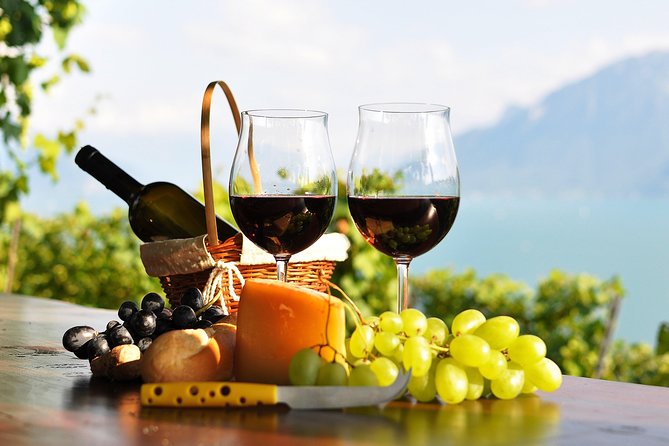
Reviewed · WINE TOURS IN KAKHETI
Wine tour in Kakheti Region
Wine tells Georgia’s story. This full-day trip from Tbilisi takes you into Kakheti, the country’s best-known wine region, where old cellar traditions still shape daily life. I especially like the mix of wine tasting and cultural history, plus the chance to see Sighnaghi, Alazani Valley, a 300-year-old cellar, and Alaverdi Monastery in one day. The private format is another strong point because your group receives attention from one guide rather than following a large crowd.
The main consideration is the pace. You spend about an hour at several stops, with only 30 minutes at Alaverdi Monastery, so this is a broad introduction rather than a slow, specialist wine tour. At $137.87 per person, the value depends on how much you appreciate a private day trip and several different types of Georgian food and wine.
In This Review
- Key points at a glance
- Why Kakheti is the right setting for a wine day
- Sighnaghi and the walls above Alazani Valley
- Numisi Cellar Museum in Velistsikhe
- Khareba’s rock tunnel and two winemaking traditions
- Alaverdi Monastery and the sixth century
- Matsoni House and Georgia’s traditional yogurt
- What the $137.87 price means
- Who will like this eight-hour outing
- The best way to approach the day
- Should you book the Kakheti wine tour?
- FAQ
- Where does the Kakheti wine tour start?
- How long does the tour last?
- Is this a private tour?
- What is the price?
- Which town do you visit first?
- Does the tour include wine tasting?
- Is lunch included?
- Can you cancel for a refund?
Key points at a glance
- Sighnaghi gives you the day’s finest views: The hilltop town looks across the Alazani Valley and offers a quick introduction to eastern Georgia.
- Numisi Cellar connects wine with village life: The 300-year-old cellar in Velistsikhe shows the age of Kakheti’s winemaking traditions.
- Khareba offers two wine styles in one stop: You can compare European-style production with traditional Georgian methods inside a rock tunnel winery.
- Alaverdi adds spiritual and historical depth: The sixth-century monastery brings religious history into a day otherwise focused on food and wine.
- Matsoni is an unusual culinary stop: You taste several versions of traditional Georgian yogurt, not just wine.
- The private format suits small groups: Only your party takes part, and pickup is offered from Tbilisi.
Why Kakheti is the right setting for a wine day
Kakheti sits east of Tbilisi and is Georgia’s main wine region. The area is known for old winemaking customs, including wine made in qvevri, large clay vessels traditionally placed in the ground. Georgia’s ancient winemaking method has UNESCO intangible cultural heritage status, which gives this trip more weight than a simple tasting-room outing.
You are not just moving from one modern winery to another. The route links a hilltop town, a village cellar, a rock tunnel winery, a monastery, and a food stop. That variety matters because Georgian wine makes more sense when you see it alongside the places and traditions that shaped it.
The tour begins at 10:00 a.m. and lasts about eight hours. That makes it a useful choice if you have a limited stay in Tbilisi but still want to reach the countryside. It is also a private activity, so your group does not share the tour with unrelated participants.
The available feedback praises a guide who adjusted explanations to the group’s feelings and gave specific cultural details, including historical background. That is important here. Kakheti has plenty to look at, but a good explanation helps connect a monastery, a cellar, and a glass of wine into one story.
More Wine Tours in Kakheti
- Day Trip to Kakheti Wine Region Including 9 Wine Tastings
★ 5.0 · 2,774 reviews - From Tbilisi: Kakheti Wine Region Tour with 9 Wine Tastings
★ 4.9 · 2,541 reviews - Tbilisi: Kakheti Wine Region Tour with 10 Wine Tastings
★ 5.0 · 2,160 reviews
Sighnaghi and the walls above Alazani Valley
Your first stop is Sighnaghi, often called Georgia’s most romantic city. The town is known for its old Georgian architectural style, attractive views across the Alazani Valley, and a long defensive wall often described as one of the longest castle walls after the Great Wall of China.
You have about an hour here, with no separate admission charge listed. That is enough time to see the town’s main character, take in the views, and walk along part of the walls if conditions and timing allow. The stop works well at the start because it gives you a visual sense of Kakheti before the day turns toward cellars and tastings.
I like Sighnaghi as an opening stop because it prevents the tour from becoming wine-only. You get architecture, geography, and a sense of why eastern Georgia has drawn visitors for centuries. The valley view also helps explain Kakheti’s importance as a grape-growing region.
The limitation is simple: one hour passes quickly. If you want a long walk around the walls, detailed photography, or a relaxed look at every lane, this schedule may feel short. Treat Sighnaghi as an introduction, not a full town visit.
Numisi Cellar Museum in Velistsikhe
From Sighnaghi, the route goes down into the Alazani Valley and continues to Velistsikhe, a wine village with a 300-year-old cellar called Numisi. This is one of the most distinctive stops because the setting itself carries the history. A modern tasting room can pour Georgian wine, but an old village cellar shows how wine was kept and made across generations.
You have about an hour at Numisi. The supplied details do not specify exactly how many wines are poured or whether a formal tasting fee is included, so you should confirm those points before booking if they matter to your budget. Lunch is also possible in Velistsikhe, with the guide advising you on places to eat.
That lunch arrangement gives you useful flexibility. You can follow local advice instead of choosing a restaurant at random, and you can keep the meal tied to the day’s Georgian food theme. At the same time, lunch is not clearly listed as included in the $137.87 price, so plan for it as a likely extra unless the operator confirms otherwise.
The cellar stop is especially valuable for anyone who wants context with their wine. You can ask about old production methods, storage, and the place of wine in Georgian life. Since the tour is private, this is also a good moment to ask direct questions rather than waiting for a large group to finish.
Khareba’s rock tunnel and two winemaking traditions
The Khareba stop changes the mood. Here, you visit a winery built into a rock tunnel and taste wines produced by Khareba. The tour specifically presents a chance to compare European-style winemaking with traditional Georgian winemaking.
That comparison is one of the strongest reasons to choose this experience. Georgian wine is not one single product made in one single way. The traditional method has a different feel and history from European-style production, and tasting both approaches in the same day gives you a clearer frame of reference.
You have about an hour here, and admission is included. The tunnel setting also gives the stop a memorable physical quality. Instead of simply standing in a shop with bottles on shelves, you see wine connected to a rock-cut environment.
The details do not say how many samples are included, what grape varieties are poured, or whether food accompanies the tasting. If you have strong preferences, allergies, or a serious interest in wine, ask the guide or operator for the current tasting details.
I would not book this as a specialist wine education course. The schedule is too broad for that. I would book it as a well-rounded introduction, especially if you want a mix of scenery, history, and tasting rather than several hours at one estate.
More Wine Tours in Tbilisi
- Tbilisi: Mtskheta Jvari Bazaar, Chronicles of Georgia & Wine
★ 5.0 · 1,088 reviews - Kakheti Wine Region: Signagi and Bodbe Tour with 10 Wine Tastings
★ 5.0 · 1,019 reviews - Tbilisi:Mtskheta,Jvari,Bazaar,wine tasting,Chronicles of Georgia
★ 5.0 · 730 reviews - Tbilisi:Evening Walking & Talking Tour with Wine & Boat Ride
★ 5.0 · 572 reviews
Alaverdi Monastery and the sixth century
The next stop is Alaverdi Monastery, founded in the sixth century by the Assyrian monk Joseph, also known as Yoseb or Amba Alaverdeli. You have about 30 minutes here, and admission is free.
That half-hour is short, but the monastery adds an important layer to the day. Kakheti’s wine traditions do not exist apart from its religious and rural life. Alaverdi helps show how old the region’s institutions are and why a day in Kakheti cannot be reduced to drinking wine.
You should expect this to be a brief visit rather than a full architectural study. The schedule gives you time to see the site and hear its basic story, but not an extended period for quiet reflection or detailed exploration. Dress and behave respectfully at the monastery, as you would at any active religious site.
This is also where a good guide matters most. The historical background can pass quickly if it is delivered as a list of dates. The strongest available praise for this experience focuses on explanations that connect cultural details with history, which is exactly the sort of help that makes a short monastery stop worthwhile.
Matsoni House and Georgia’s traditional yogurt
The food portion of the trip centers on matsoni, a traditional Georgian yogurt. You taste different kinds and compare their flavors and textures.
For many people, this will be the most unexpected stop. Wine tours often focus only on grapes, vineyards, and cellar techniques. Matsoni adds a basic food tradition to the picture and gives you another way to understand Georgian cuisine.
The supplied details do not explain how many varieties you taste, whether the stop includes a full meal, or how much time is spent there. The itinerary gives this part about an hour and lists admission as included. Lunch in Velistsikhe is separate enough that you should not assume the matsoni tasting replaces lunch.
I like this stop because it keeps the day from feeling like a string of commercial tastings. You get a taste of an everyday traditional food, not only a product prepared for a wine counter. If you are interested in natural products and regional cooking, this part may be as appealing as the wine.
What the $137.87 price means
At $137.87 per person, this is not the cheapest way to see Kakheti. The price makes more sense if you value a private tour, pickup from Tbilisi, a full day on the road, a guide, and several different stops in one package.
You are paying for range. The day includes Sighnaghi, the Alazani Valley, Numisi Cellar Museum, Khareba’s tunnel winery, Alaverdi Monastery, and matsoni tasting. Admission is specifically included at Khareba and for the matsoni experience, while the other listed stops do not charge a separate admission fee.
Lunch is the point to watch. You can eat in Velistsikhe, and the guide will suggest suitable places, but the price information does not say that lunch is included. Ask before departure so you know what extra spending to expect.
The private format improves the value for couples, families, or a small group that wants flexibility. Group discounts may also be available, though the exact discount is not provided. If you are traveling alone and mainly want the lowest possible price, a shared outing could cost less, but that is not the format described here.
Who will like this eight-hour outing
I would recommend this experience to you if you want one organized day that combines wine, food, history, and scenery. It is particularly suitable if you are staying in Tbilisi and do not want to arrange transport, winery visits, and regional sightseeing on your own.
You will likely appreciate it if:
- You are new to Georgian wine and want a broad introduction.
- You enjoy historic places as much as tastings.
- You prefer a private group rather than a shared coach.
- You want a guide who can explain cultural background, not just point out buildings.
- You are curious about traditional foods such as matsoni.
- You have only one free day for Kakheti.
I would think twice if you want a slow, highly focused wine study. The tour covers a lot in eight hours, and most stops last about an hour. It is also less suitable if your main goal is to spend half a day at one winery or vineyard.
Pickup is offered, and a mobile ticket is available. Confirmation is received at booking, and most people can participate. Free cancellation is available if you cancel at least 24 hours before the 10:00 a.m. start time. Changes or cancellations made inside that window are not accepted for a refund.
The best way to approach the day
Start with realistic expectations. This is a regional sampler, not a leisurely private retreat. You will see more places because the schedule keeps moving.
Bring questions about the wine methods, the qvevri tradition, Georgian grape varieties, and the difference between traditional and European-style production. The guide’s role is a major part of the experience, and the strongest praise focuses on thoughtful, meaningful explanations.
Keep some room in your budget for lunch in Velistsikhe. Since the guide can advise you on local places, ask for a recommendation that fits your appetite and budget. You may also want to confirm the exact wine tasting arrangements at Khareba and Numisi before the day begins.
The order of the stops creates a good rhythm. Sighnaghi starts with views and architecture. Numisi moves into village wine culture. Khareba provides a more dramatic winery setting and a comparison of methods. Alaverdi brings in religion and history, while matsoni closes the food side of the day.
Should you book the Kakheti wine tour?
Book it if you want a private, full-day introduction to eastern Georgia with more than wine alone. The combination of Sighnaghi, a 300-year-old cellar, Khareba’s tunnel winery, Alaverdi Monastery, and matsoni gives you a useful cross-section of Kakheti.
Skip it if you want a specialist tasting schedule, long visits at each winery, or a low-cost shared excursion. At $137.87 per person, the value comes from the private format, the guide’s cultural explanations, and the number of different experiences packed into eight hours.
For a first visit to Georgia, I like the balance. You get the famous wine region, but you also see the towns, faith, food, and valley that make Kakheti more than a place to raise a glass.
FAQ
Where does the Kakheti wine tour start?
The tour starts from Tbilisi, with a start time of 10:00 a.m. Pickup is offered.
How long does the tour last?
The experience lasts approximately eight hours.
Is this a private tour?
Yes. Only your group participates in the activity.
What is the price?
The listed price is $137.87 per person. Group discounts may be available.
Which town do you visit first?
The first stop is Sighnaghi, known for its old Georgian architecture, views of the Alazani Valley, and long city walls.
Does the tour include wine tasting?
The tour includes wine tasting at Khareba Winery. It also visits the Numisi Cellar Museum, though the supplied details do not specify the full tasting arrangements there.
Is lunch included?
Lunch is available in Velistsikhe, and the guide can recommend places to eat. The provided tour details do not state that lunch is included in the price.
Can you cancel for a refund?
You can cancel for a full refund if you do so at least 24 hours before the experience starts. Cancellations or changes made less than 24 hours before the start time are not refunded or accepted.
Just added in Tbilisi
- Wine Tasting feel the Difference of Qvevri or Classical Wine★ 4.4 · 10 reviews
- From Tbilisi: Kakheti and Kazbegi 2-Day 4X4 Jeep Tour pack★ 5.0 · 6 reviews
- Walking Tour in Old Tbilisi – Group Tour★ 4.5 · 8 reviews
- Uforgatable Kakheti Tour with wine tasting – in Georgia★ 4.9 · 5 reviews
- From Tbilisi: Uplistsikhe Caves and Mtskheta Town Day tour★ 5.0 · 2 reviews
- Tbilisi: Vintage Fashion and Secondhand Thrifting Tour★ 5.0 · 11 reviews
- Tbilisi Airport to Gudauri, Bakuriani, Batumi, Tbilisi★ 5.0 · 3 reviews
- Private Adorable City Tour of Tbilisi★ 5.0 · 3 reviews
Wine Tours in Kakheti, compared.
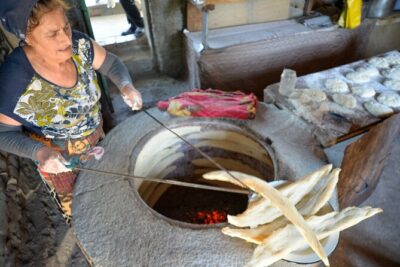
Day Trip to Kakheti Wine Region Including 9 Wine Tastings
Read our review →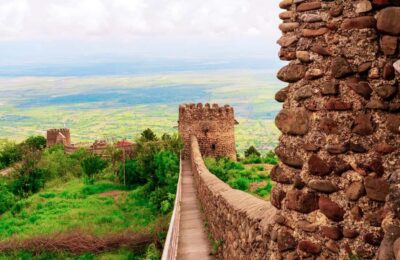
Kakheti Wine Region Tour with 9 Wine Tastings
Read our review →
Kakheti Wine Region Tour with 10 Wine Tastings
Read our review →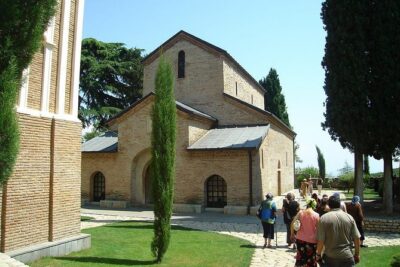
Kakheti;City of Love Sighnaghi, Bodbe. KTW. Wine House Group tour
Read our review →
Kakheti: Bodbe, Sighnaghi, Telavi Wine Tour from Tbilisi
Read our review →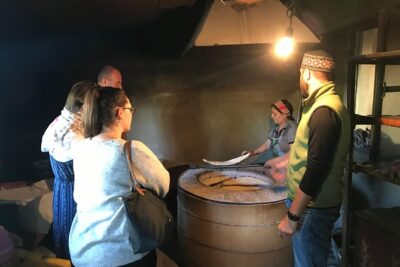
Full Day Private Wine Tour in Kakheti Region with Lunch and 3 Wine Tastings
Read our review →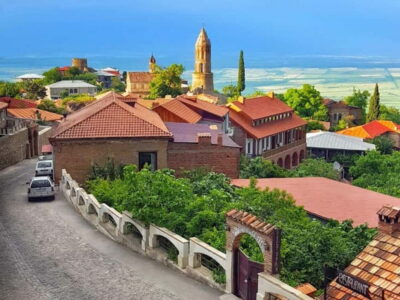
Kakheti – Small wineries and family-cooked lunch • Private tour
Read our review →Browse the lists this tour appears in