
Reviewed · WINE TOURS IN TBILISI
Wine Tasting Feel the Difference of Qvevri or Classical Wine
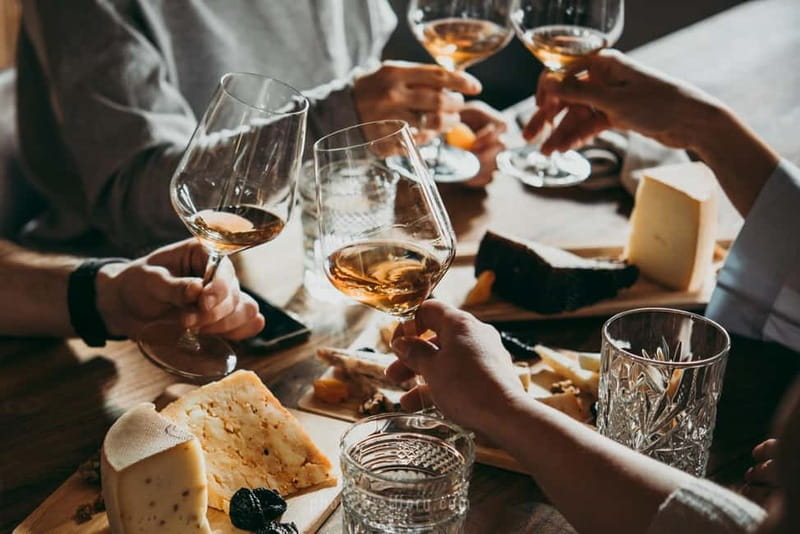
Taste Georgia through four carefully chosen wines. This 90-minute Tbilisi experience compares qvevri and classical winemaking using the same grape styles, so you can notice how production changes color, aroma, and taste. I like the clear purpose: you are not simply sampling random pours. You are learning why Georgian wine tastes the way it does.
I also like the small-group format, limited to 12 people, and the chance to ask a sommelier practical questions about wine, food pairing, and local regions. The main consideration is the short length. At $16 per person, it is an excellent introduction, but it is not a full winery visit or a long meal. You come for focused tasting and explanation, not an afternoon in the countryside.
The experience begins at 6:00 p.m. at St. Bunny31 on Griboedov Street and ends at the same place. Since it takes place in a modern Georgian wine shop and restaurant, it offers an easy way to meet Georgian wine in central Tbilisi without arranging transport outside the city.
In This Review
- Key points about the Tbilisi wine tasting
- Why comparing qvevri and classical wine matters
- Beginning at St. Bunny31 on Griboedov Street
- The white wine comparison: classical style and qvevri
- Saperavi reds and the character of Georgian wine
- Georgian cheese makes the lesson more practical
- What the sommelier-led format adds
- Is $16 a good value?
- Who should book this experience?
- Practical details before you go
- Should you book the qvevri wine tasting?
- FAQ
- Where does the wine tasting begin?
- What time does the tasting start?
- How long does the experience last?
- Where does the experience end?
- How many wines are included?
- What production methods are compared?
- Is food included?
- How large is the group?
- Can I cancel for a full refund?
Key points about the Tbilisi wine tasting
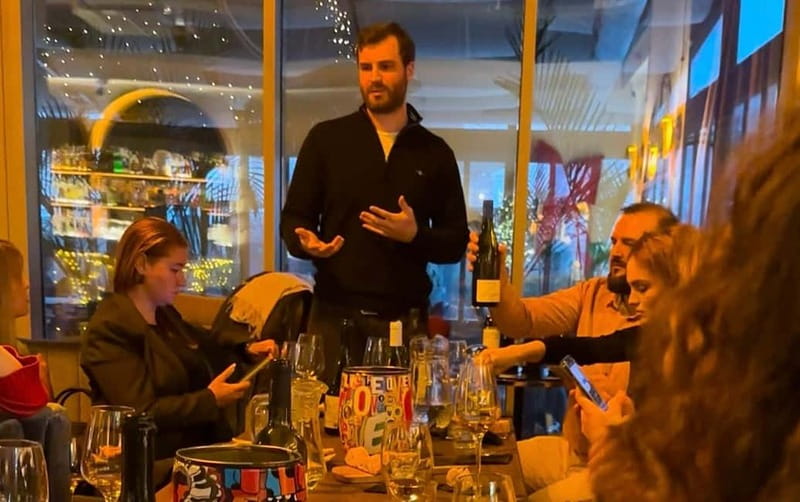
- Four wines, two production methods: Taste two white wines and two Saperavi reds made in European and traditional Georgian styles.
- Qvevri takes center stage: Learn about the large clay vessels used in a Georgian winemaking tradition more than 8,000 years old.
- Same region and grape idea: The tasting is designed to show how production affects wine, rather than leaving you to compare unrelated bottles.
- Sommelier-led instruction: Learn the basics of aroma, taste, evaluation, Georgian wine regions, and local wine trends.
- Georgian cheese accompaniment: The four pours come with cheeses selected to work with the wines.
- Compact evening schedule: The 6:00 p.m. start and 90-minute length fit neatly into a night in Tbilisi.
Why comparing qvevri and classical wine matters
Georgian wine can seem confusing at first. Labels may mention unfamiliar grapes, regions, and production methods. This tasting gives you a simple way to sort out one of the country’s most important distinctions: wine made in the European style compared with wine made in qvevri.
The classical method uses modern tanks or similar equipment. The qvevri method uses large clay vessels, traditionally buried in the ground. The point of this session is not to tell you that one method is better. It is to help you notice what each method does to the finished wine.
That comparison is valuable because you taste two white wines and two red wines selected around different techniques. The experience description says the wines come from the same region and grape variety for the comparison, although the listed details do not identify each bottle or region. That means you should expect the lesson to focus on production, not on memorizing a long list of labels.
For you, the practical benefit is simple: after the tasting, you can make a more informed choice in a wine shop or restaurant. You may prefer the cleaner profile of a classically made wine, or you may enjoy the more distinctive character associated with qvevri production. The session gives you a vocabulary for explaining that choice.
More Wine Tours in Tbilisi
- Day Trip to Kakheti Wine Region Including 9 Wine Tastings
★ 5.0 · 2,774 reviews - From Tbilisi: Kakheti Wine Region Tour with 9 Wine Tastings
★ 4.9 · 2,541 reviews - Tbilisi: Kakheti Wine Region Tour with 10 Wine Tastings
★ 5.0 · 2,160 reviews
Beginning at St. Bunny31 on Griboedov Street
Your meeting point is St. Bunny31, at Griboedov Street in Tbilisi. The venue is described as a modern Georgian wine shop and restaurant, so this is not a vineyard tour or a visit to a rural cellar. It is an urban tasting, which keeps the activity convenient for a city stay.
The start time is 6:00 p.m. That works well if you want a cultural activity after sightseeing, though you should allow enough time to arrive before the first pour. The supplied information does not specify a check-in time, so I would not plan to arrive at the last moment.
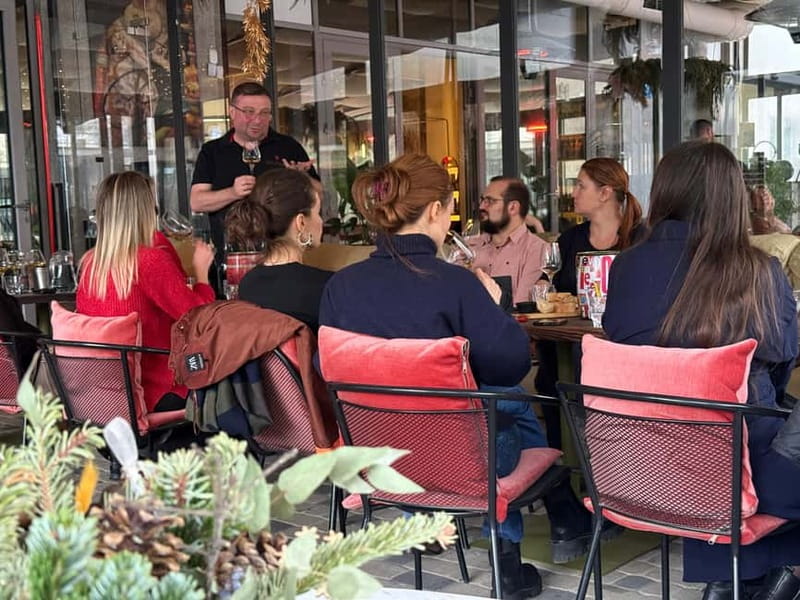
The group size is capped at 12 people. That is small enough to make questions possible and large enough to create a social tasting rather than a private lesson. Group size can make a big difference in wine education. If everyone is encouraged to smell, taste, and ask questions, a limited group helps the session stay personal.
The activity finishes back at the meeting point. No transport is included or needed between stops because there are no separate stops. The venue is near public transportation, another useful point for planning an evening in Tbilisi.
The white wine comparison: classical style and qvevri
The first major lesson concerns the two white wines. One is made in the classical European manner, and the other uses qvevri. You taste them side by side, allowing the production method to become more than a history lesson.
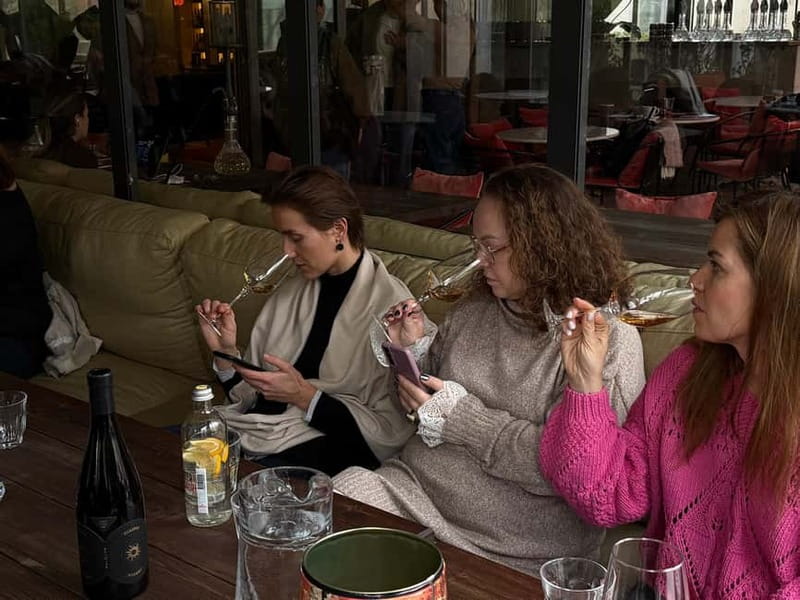
The sommelier discusses aromas, taste, and color. Those three features give you a useful tasting routine. First, look at the wine. Then smell it. Finally, taste it and consider how the flavor changes in your mouth. You do not need fancy language. The aim is to learn how to describe what you actually notice.
Qvevri is especially important in Georgian wine culture. These clay vessels are associated with a winemaking tradition more than 8,000 years old. During the tasting, you learn about qvevri, wine aging, and chacha, a Georgian grape spirit connected with the country’s winemaking culture.
The white wine comparison may be the most revealing part of the session for first-time visitors. Many people know that wine can differ by grape, climate, or region. This tasting adds another factor: the vessel and production process. You get to consider how much of the final character comes from the grape and how much comes from the method.
The exact flavor profile of each wine is not provided, so you should not arrive expecting a particular color or aroma. Instead, let the sommelier guide you through the differences in the glasses. That keeps the tasting honest and useful.
Saperavi reds and the character of Georgian wine
The second comparison features two red wines made from Saperavi. Saperavi is identified here as the red grape variety used for the tasting. The two examples are made with different technologies, giving you another chance to compare classical and traditional Georgian production.
This is a smart structure. After tasting the white wines, you can apply the same ideas to red wine. Look for changes in color, aroma, texture, and finish. The point is not to declare a winner. It is to understand that the same grape can produce different results when handled in different ways.
Saperavi gives the session a specifically Georgian focus. The wines are not simply international varieties selected for easy recognition. You are tasting a grape tied to the country’s own wine culture, then examining how production changes its expression.
The sommelier also covers Georgian wine-growing regions and local wine trends. The available information does not name the specific regions represented in the four glasses, so you should treat this as a broad introduction rather than a regional master class. Still, the context helps you place the wines within Georgia instead of tasting them as isolated products.
A completely different kind of day:
- Tbilisi: Day Trip to Kazbegi, Gudauri, Gergeti, and Ananuri
★ 4.9 · 3,203 reviews - Highlights of Caucasus Mountains-Jinvali,Ananuri,Gudauri,Kazbegi(Group tour)
★ 5.0 · 2,682 reviews - Tbilisi: Mtskheta, Jvari, Gori and Uplistsikhe Day Tour
★ 4.9 · 2,396 reviews - From Tbilisi to Kazbegi, Ananuri, Gudauri & Gergeti
★ 4.9 · 2,278 reviews
Georgian cheese makes the lesson more practical

The tasting includes Georgian cheeses as an accompaniment. That matters because wine rarely exists alone at the table. Food changes how you perceive acidity, tannin, fruit, and texture.
The pairing portion covers the main rules of matching wine and food. You can use those rules later in Georgia, where wine is closely connected with meals and hospitality. It also gives the tasting a more relaxed rhythm. Four pours with cheese feel more like a small evening experience than a technical classroom.
The available details do not identify the cheeses or provide a separate meal menu. Plan on cheese accompaniment, not dinner. If you need a full meal, you should make another plan before or after the session.
I like this part because it turns abstract wine language into something you can test. Taste the wine on its own, then taste it with cheese. Notice what changes. Even a simple comparison can help you understand why some pairings feel balanced while others do not.
What the sommelier-led format adds
The most strongly praised part of this experience is the sommelier’s professionalism and command of both Georgian traditional winemaking and European-style production. That is exactly the kind of guidance this tasting needs.
Wine tasting can become vague when the host simply pours glasses and recites labels. Here, the stated subjects include wine aromas, taste, evaluation, regions, history, current trends, technology, and food pairing. That gives the 90 minutes a clear educational purpose.
You will also learn how to talk about wine so other people can understand you. This is a useful goal. You do not need to become a wine expert, but you should leave better able to say that a wine is floral, dry, tannic, earthy, fresh, or full-bodied if those qualities are present.
The sommelier’s role is particularly important because Georgian wine can challenge familiar habits. Qvevri wines may not fit the profile you expect from a classically made white or red. A professional guide can explain the difference without turning the tasting into a contest between old and new methods.
The available evaluation gives the sommelier a full 5/5 rating and praises how much the participant learned. That emphasis is worth taking seriously. If instruction is your main reason for booking, this experience appears better suited to you than a casual bar flight with little explanation.
Is $16 a good value?

At $16 per person, the price is modest for a guided tasting that includes four wines, Georgian cheeses, and instruction from a sommelier. You are paying not only for the wine, but also for the chance to compare production methods in a planned sequence.
The value is strongest if you are curious about Georgian wine and would otherwise struggle to choose bottles on your own. A little guidance can prevent you from buying based only on a label you cannot read or a grape name you do not recognize.
The price is less compelling if you want a long, leisurely meal, a winery tour, or a large number of pours. The activity lasts about 1 hour and 30 minutes, and there are four wines. It is a focused introduction, not a full day of wine tourism.
For a short city break, I see the price as a sensible way to add local culture to your evening. You get a structured experience without committing several hours to travel outside Tbilisi. The inclusion of cheese also makes the cost feel more complete than a tasting that offers only small pours.
Who should book this experience?
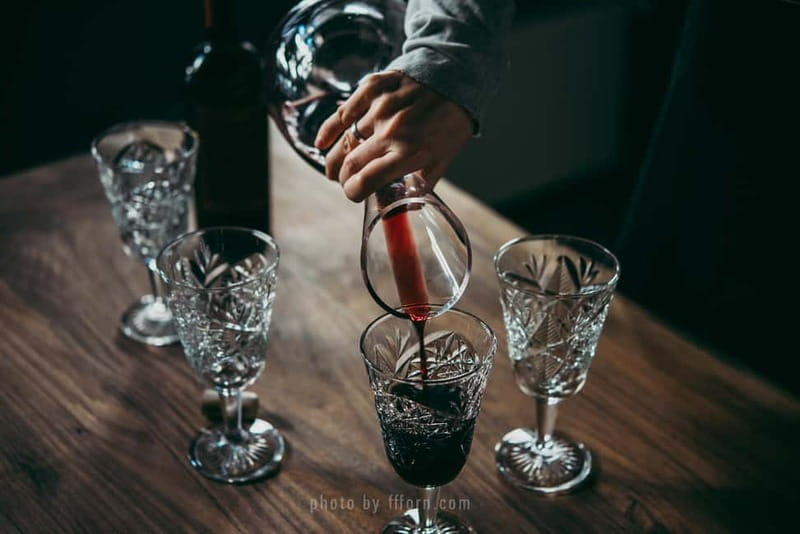
I would recommend it to first-time visitors who want a clear introduction to Georgian wine. It also suits people who enjoy food and drink but do not yet feel confident describing wine.
You should consider it if you want to understand qvevri rather than simply hear the word. The side-by-side format gives you a reason to pay attention to production, and the discussion of chacha and aging adds useful Georgian context.
It is also a good fit for couples or small groups who want an evening activity near public transportation. The 6:00 p.m. schedule leaves the day open for sightseeing, while the return to the same meeting point keeps the plan simple.
I would be more cautious if your priority is seeing vineyards or visiting a working cellar. Nothing in the supplied information promises a countryside excursion. The venue is in Tbilisi, and the experience is built around tasting and explanation.
People looking for a full dinner should also adjust expectations. Georgian cheese is included, but the information does not state that a complete meal is served. Think of this as a wine lesson with food accompaniment.
Practical details before you go
The booking includes a mobile ticket, and confirmation is provided at the time of booking. The activity is near public transportation, and most people can participate. Service animals are allowed.
The maximum group size is 12 people. That limit is useful to know if you prefer a setting where the sommelier can respond to questions rather than speak to a large crowd.
Free cancellation is available if you cancel at least 24 hours before the 6:00 p.m. start time. Cancellations made less than 24 hours before the start are not refunded, and changes within that period are not accepted. The cut-off follows local time.
Since the meeting point is specific, check that you have St. Bunny31, Griboedov Street, Tbilisi, written down before setting out. The activity ends at the same location, so you can plan the rest of your evening from there.
Should you book the qvevri wine tasting?
Book it if you want a compact, affordable lesson in what makes Georgian wine different. The four-wine structure, qvevri comparison, Saperavi focus, cheese pairing, and sommelier guidance give the session more purpose than a basic tasting flight.
Skip it if you want vineyards, a full meal, or a long rural excursion. For everyone else, especially curious first-time visitors, this is a practical introduction to Georgian wine culture. At $16, it offers a lot of useful context in a short evening slot, with enough tasting to help you decide what Georgian wine you actually like.
FAQ
Where does the wine tasting begin?
The experience begins at St. Bunny31 on Griboedov Street in Tbilisi, Georgia.
What time does the tasting start?
The tasting starts at 6:00 p.m.
How long does the experience last?
The wine tasting lasts approximately 1 hour and 30 minutes.
Where does the experience end?
The activity ends back at the meeting point on Griboedov Street.
How many wines are included?
The tasting includes four wines: two made from white grape varieties and two red wines made from Saperavi.
What production methods are compared?
You compare wines made using the European classical method and the traditional Georgian qvevri method.
Is food included?
Georgian cheeses are provided as an accompaniment to the four wines.
How large is the group?
The activity has a maximum of 12 participants.
Can I cancel for a full refund?
Yes. You can receive a full refund if you cancel at least 24 hours before the experience start time. Cancellations within 24 hours are not refunded.
Just added in Tbilisi
- Wine Tasting feel the Difference of Qvevri or Classical Wine★ 4.4 · 10 reviews
- From Tbilisi: Kakheti and Kazbegi 2-Day 4X4 Jeep Tour pack★ 5.0 · 6 reviews
- Walking Tour in Old Tbilisi – Group Tour★ 4.5 · 8 reviews
- Uforgatable Kakheti Tour with wine tasting – in Georgia★ 4.9 · 5 reviews
- From Tbilisi: Uplistsikhe Caves and Mtskheta Town Day tour★ 5.0 · 2 reviews
- Tbilisi: Vintage Fashion and Secondhand Thrifting Tour★ 5.0 · 11 reviews
- Private Adorable City Tour of Tbilisi★ 5.0 · 3 reviews
- Tbilisi Airport to Gudauri, Bakuriani, Batumi, Tbilisi★ 5.0 · 3 reviews
Wine Tours in Tbilisi, compared.
Day Trip to Kakheti Wine Region Including 9 Wine Tastings
Read our review →
Kakheti Wine Region Tour with 9 Wine Tastings
Read our review →
Kakheti Wine Region Tour with 10 Wine Tastings
Read our review →
Mtskheta Jvari Bazaar, Chronicles of Georgia & Wine
Read our review →
Mtskheta,Jvari,Bazaar,wine tasting,Chronicles of Georgia
Read our review →
Evening Walking & Talking Tour with Wine & Boat Ride
Read our review →
Evening Walking Tour with Wine & Boat Ride Options
Read our review →
Kakheti;City of Love Sighnaghi, Bodbe. KTW. Wine House Group tour
Read our review →Browse the lists this tour appears in