
Reviewed · HIKING TOURS IN TBILISI
Trekking Tour from Tusheti to Khevsureti via Atsunta Pass
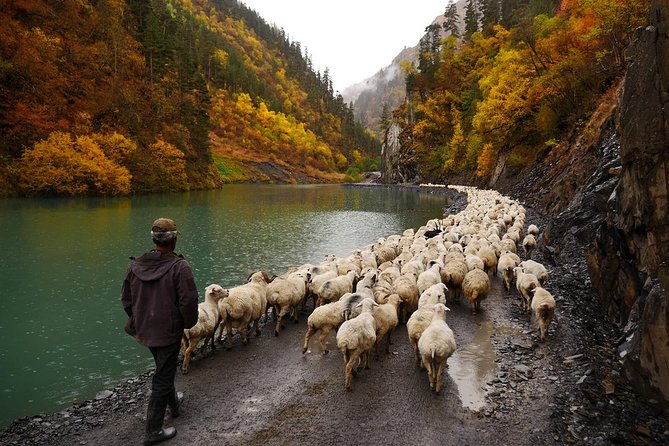
Georgia saves its best roads for the brave. This six-day trek links the remote mountain regions of Tusheti and Khevsureti, crossing the 3,431-meter Atsunta Pass and passing stone villages that feel far removed from modern life. I like the mix of wild mountain walking and cultural stops, especially Dartlo, Mutso, and Shatili. I also like that horses carry luggage, so you can focus on the trail rather than hauling every item uphill. The main drawback is clear: 72 kilometers of walking, several long days, camping without huts, and a demanding high-altitude crossing require strong fitness.
At $1,620 per person, the price is substantial, but it covers far more than a guide. You get remote 4WD transport, accommodation, meals, camping equipment, luggage horses, and six days of expert leadership. The trip is best for hikers who want Georgia’s difficult-to-reach mountain country, not for anyone seeking a relaxed sightseeing holiday.
In This Review
- Key reasons this trek is worth considering
- Why Tusheti to Khevsureti is such a special route
- Day 1: The long road from Tbilisi to Omalo
- Day 2: Dartlo and the climb to Kvavlo
- Day 3: Following the Pirikiti Alazani to Girevi
- Day 4: Leaving the road near Girevi
- Day 5: The hard climb over Atsunta Pass
- Day 6: Mutso, Shatili, and the return to Tbilisi
- What the $1,620 price really covers
- Who should book this six-day crossing?
- Should you book the Tusheti to Khevsureti trek?
- FAQ
- Where does the trek start?
- How much walking is involved?
- What is the highest point of the route?
- Are meals included?
- Is camping equipment provided?
- How is luggage transported?
Key reasons this trek is worth considering
- Atsunta Pass reaches 3,431 meters, the highest point of the route, with broad views of alpine meadows and snowy peaks.
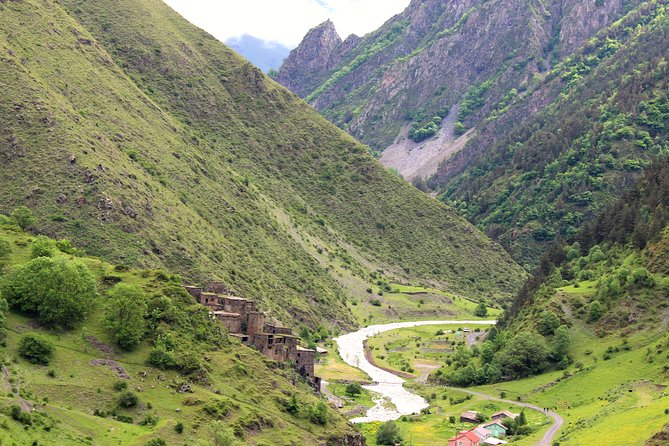
- Dartlo, Kvavlo, Parsma, Girevi, Mutso, and Shatili provide a remarkable run of stone villages and defensive towers.
- Three wilderness days take you away from roads, huts, and permanent settlement.
- Horses transport your luggage, while guides and basic camping gear support the long mountain stages.
- Small groups of up to 15 people make the remote route more manageable and social.
- Local guesthouses and home-style meals add comfort and a direct connection to mountain life.
Why Tusheti to Khevsureti is such a special route
This route earns its reputation by joining two of Georgia’s most isolated highland regions. Tusheti is reached by a rough mountain road, while the trail toward Khevsureti leaves vehicles behind and crosses a high pass on foot. You get both the drama of access and the reward of remoteness.
The scenery changes steadily. You begin among pine trees, stone settlements, and river valleys. Then the route moves into open meadows, rocky slopes, small streams, and snow-covered summits. After Atsunta Pass, the trail drops toward Khevsureti, where the famous fortified villages of Mutso and Shatili appear in narrow gorges.
I especially like the balance between human and natural history. The stone towers are not decorative ruins placed for sightseeing. They were built as defensive homes in difficult mountain terrain. Walking through them gives the route a strong sense of place that a simple mountain walk would lack.
The group limit is 15 people, and the tour may use a multilingual guide. Past departures have included guides such as Dito, Tato, Dimitri, Nutsa, and Misha. The available feedback repeatedly praises the guides for good organization, friendly company, local insight, and flexibility. That matters here, because a remote trek depends heavily on calm decisions and clear communication.
More Hiking Tours in Tbilisi
- Tbilisi: Real Adventure – Gareja & Rainbow Desert 4×4 + Hike
★ 4.9 · 464 reviews - David Gareji and Real Rainbow Mountains Off-Road adventure + hike
★ 5.0 · 129 reviews - 8-Day Trekking Group Tour in Svaneti
★ 5.0 · 21 reviews
Day 1: The long road from Tbilisi to Omalo
The tour starts at 9:00 a.m. by the Giant Bicycle monument at Rose Revolution Square in Tbilisi. From there, you drive toward Kakheti and then take a 4WD vehicle over the mountain route into Tusheti.
Allow roughly 10 hours for this first day. Six hours of driving are specifically noted, but the full day also includes stops and time in Omalo. The route crosses a mountain pass at about 2,850 meters, so the drive itself becomes part of the adventure rather than a simple transfer.
Omalo is the main settlement of Tusheti and your first chance to see the region’s stone architecture. The visit includes Omalo and the Keselo Towers, a group of defensive towers with views over the surrounding mountains. This is a useful introduction before the walking begins.
You spend the night in an Omalo guesthouse with private facilities. That private room and bathroom are welcome after the rough road, though you should not mistake this for a luxury mountain lodge. The accommodation is included, as are dinner and the other scheduled meals.
The first day is demanding because of the transport, not because of hiking. If you are prone to motion sickness, plan carefully. The tour information does not specify road conditions in detail, but the use of a 4WD vehicle and the very long transfer tell you to expect a serious mountain drive.
Day 2: Dartlo and the climb to Kvavlo
The second day takes you into Pirikiti Tusheti. You hike toward Dartlo, one of the area’s most appealing villages, with medieval stone houses and defensive structures. Recent renovation has helped preserve its traditional form without removing its mountain character.
From Dartlo, you continue to Kvavlo. The village is largely made up of ruined towers and houses, but its position above the Alazani River makes the walk worthwhile. The views stretch across the valley and toward the surrounding mountains.
The out-and-back section to Kvavlo covers about 3.2 kilometers each way. The ascent is roughly 400 meters, rising from 1,833 to 2,182 meters, and the one-way walk takes around two hours. Those numbers look modest beside the later pass crossing, but the climb is still a useful test of your legs.
You spend the night at a Dartlo guesthouse with shared facilities. Dinner and breakfast are included, and the local setting is part of the appeal. Shared bathrooms mean less privacy than in Omalo, but they also reflect the practical limits of accommodation in a remote mountain village.
This is a good day for taking your time with photographs and architecture. Dartlo is more intact, while Kvavlo gives you a stronger feeling of abandonment and exposure. The route is not only about reaching the next camp. It lets you see how Tusheti’s settlements fit into steep valleys and defensive terrain.
Day 3: Following the Pirikiti Alazani to Girevi
The route continues upstream beside the Pirikiti Alazani River. You first pass through Chesho and Parsma, both noted for their stone homes and towers, then follow a narrower walking path toward Girevi.
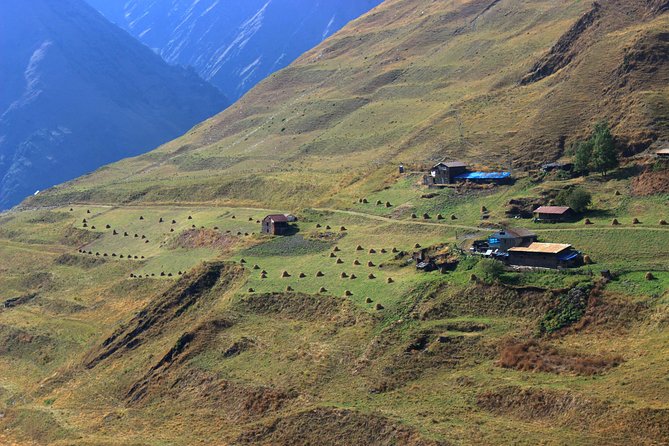
This day links several settlements in one continuous mountain corridor. That makes it especially valuable if you want to see more than the best-known villages. The scenery is shaped by the river gorge, with steep slopes and changing views as the trail moves farther from the road.
Girevi marks the end of the easier village-to-village section. From here, the route begins to feel more remote. You stay in a guesthouse with shared facilities, giving you one last night indoors before the camping stages.
The tour includes lunch, breakfast, and dinner, but drinks are not covered. Carry enough water for the day and budget for additional beverages. The supplied information does not state the exact water arrangements, so ask the operator before departure about refilling points and treatment requirements.
The three days ahead are the physical heart of the tour. If you are comfortable with long mountain days but uncertain about sleeping outdoors, this is the point to think honestly about your expectations. The tour includes tents, sleeping bags, sleeping mats, and cooking equipment, but it does not turn the wilderness into a hotel.
More off-road trips in Tbilisi:
- Day Trip to Gudauri and Kazbegi Including 4WD
★ 5.0 · 673 reviews - Tbilisi: Kazbegi Gudauri Ananuri and Truso Adventure by 4×4
★ 4.9 · 119 reviews - From Tbilisi: Kazbegi Ananuri Gudauri and Trusso Valley by 4×4
★ 5.0 · 40 reviews - 3 Day Tusheti Tour Explore Unspoiled Wilderness
★ 5.0 · 28 reviews
Day 4: Leaving the road near Girevi
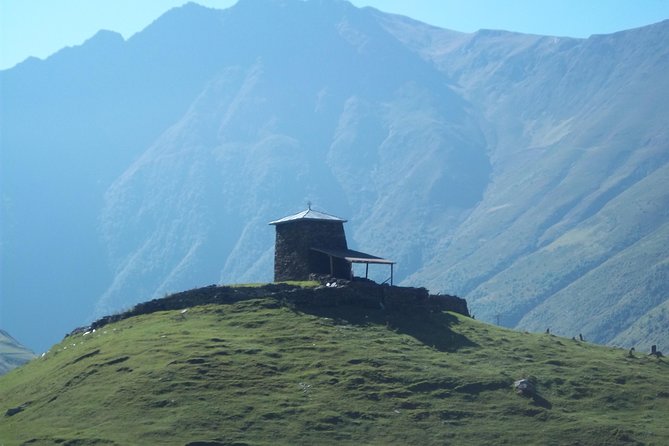
After breakfast, you follow the gorge above Girevi and cross small mountain rivers. The trail passes the ruined village of Chontio before reaching the area near Kvakhidi.
This is where the route leaves behind most signs of settled life. The night is spent camping among open green fields, alpine meadows, and rocks. There are no mountain huts described for this part of the journey, and the route is presented as a wilderness section with no people except hikers.
The lack of buildings is the attraction, but it also sets the practical tone. You need to be prepared for basic camp routines, changing mountain weather, and a full day on foot. Horses carry luggage, which reduces your load, but you still need a daypack with water, warm layers, rain protection, snacks, and personal essentials.
The day is listed as approximately 10 hours. That figure appears throughout the schedule, so you should not read it as ten hours of nonstop walking. It likely includes breaks, meals, and the slower pace required by rough mountain paths, but the days remain long.
Dinner is included at camp. The meal support is important here because carrying and cooking all food yourself would add considerable weight. Still, drinks are extra, and the tour does not include a backpack or trekking poles. You must bring or arrange those items yourself.
Day 5: The hard climb over Atsunta Pass
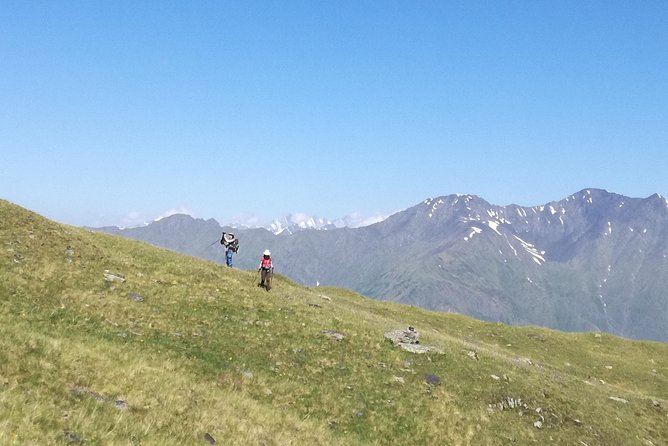
Day five brings the route’s highest and most strenuous section. You start early and climb toward Atsunta Pass, reaching 3,431 meters above sea level.
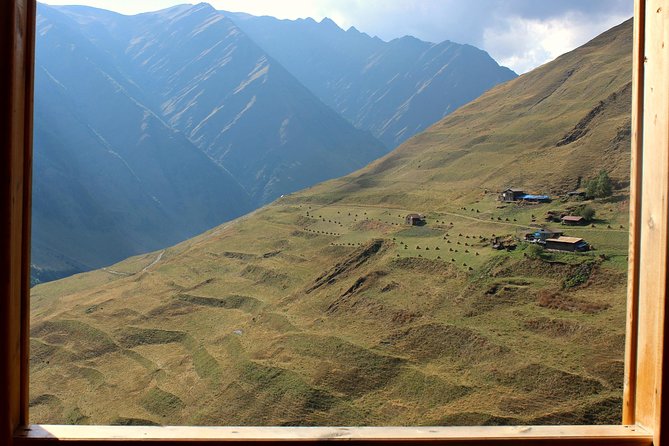
The pass is the great payoff of the trek. From the top, you stop for snacks and look across alpine meadows and surrounding mountain peaks. Snow may remain on the higher summits, but the tour information does not promise specific conditions on any departure. The exact experience will depend on weather and the season.
Altitude adds another challenge beyond distance. The tour requires strong physical fitness, and that advice should be taken seriously. You do not need to be an elite mountaineer based on the information provided, but you should be comfortable walking for many hours, climbing steep sections, and managing a remote route without hut support.
After the pass, you descend onto the Khidotani ridge and camp in an open alpine meadow. The descent does not mean the day is easy. Tired legs, uneven ground, and a full pack of personal items can make downhill walking surprisingly taxing.
This is also the day when good guiding matters most. The operator’s past guides, including Dito, Tato, Dimitri, Nutsa, and Misha, have been praised for organization and care. Ask your guide about pacing and speak up early if you feel unwell. In a remote area, quiet discomfort is not a virtue.
Day 6: Mutso, Shatili, and the return to Tbilisi
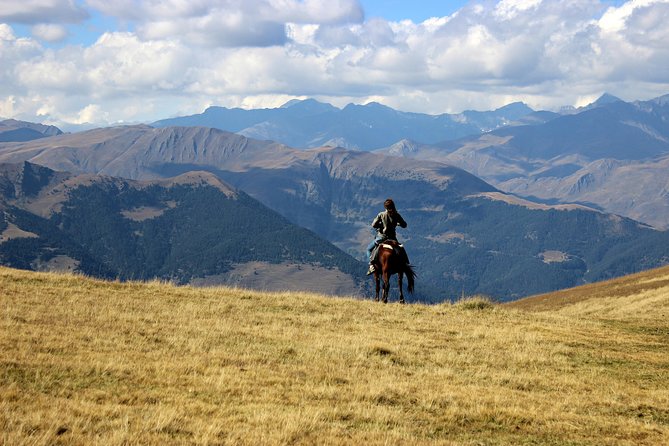
The final morning begins in the meadow, followed by a descent through a narrow gorge. You reach the first inhabited part of Khevsureti after passing Khone.
The route then turns toward Mutso, one of the most memorable stops on the trip. The village is now largely abandoned, but its towers and stone buildings cling to a rocky setting above the gorge. The fortress complex has been renovated, and a 2-kilometer detour takes you closer to the site.
Mutso is a strong final walking stop because it combines architecture, isolation, and dramatic mountain scenery. The buildings are not spread across a broad town square. They rise from steep ground, making the settlement feel closely tied to defense and terrain.
Near Mutso, your vehicle meets the group. You then drive to Shatili, another famous Khevsureti complex, before continuing to Tbilisi. Shatili’s stone towers and houses fill a narrow gorge and offer a final look at the region’s unusual defensive architecture.
The last day is also listed at about 10 hours, so do not expect an early return to Tbilisi. The tour ends back at the original meeting point. There is no overnight in Tbilisi included, so arrange that separately if you are staying in the city.
What the $1,620 price really covers
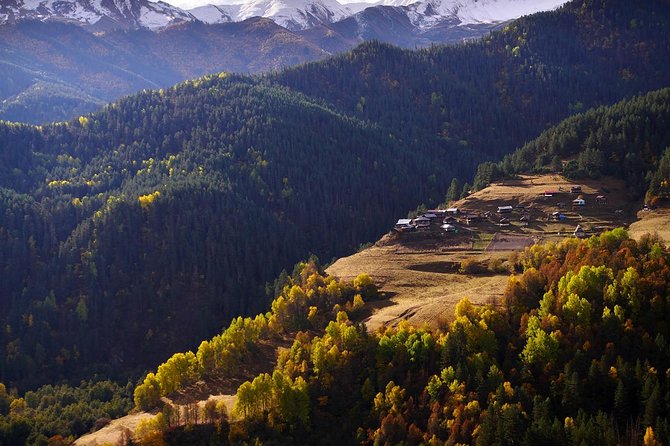
At $1,620 per person, this is not a budget trek. The value comes from the logistics. The price includes 4WD transport from Tbilisi through Alvani to Omalo, vehicle transport from Mutso through Shatili and back to Tbilisi, fuel costs, six days of guide leadership, four overnight stays, meals, camping equipment, and horses for luggage.
Meals include six lunches, five breakfasts, and six dinners. Drinks are excluded, as are your backpack and trekking poles. You also need to pay for your final night in Tbilisi if required.
For a group of up to 15, the package can make financial sense compared with arranging separate vehicles, guides, food, camping equipment, guesthouses, and horse support. The remote road into Tusheti is one of the main reasons to use an organized operator. You are paying for access and coordination, not simply for walking directions.
Group discounts are available, though the amount is not specified. Ask for the exact price before booking. A private departure may also be possible, but the supplied information only confirms group discounts, not private-tour terms.
Who should book this six-day crossing?
I would recommend this trek to fit hikers who want a demanding route with cultural depth. You should be ready for 72 kilometers of walking, long days, basic camping, shared guesthouse facilities, and a high pass at 3,431 meters.
It is also a strong choice for solo hikers who want company and organized support. One past account specifically appreciated the social side of joining a group alone, along with the food and local guesthouses. The group size is limited to 15, which keeps the trip from becoming a large procession.
The minimum age is 14, but age alone is not the deciding factor. A younger participant still needs the strength and stamina required for the route. Families should consider each person’s fitness rather than relying on the minimum age.
This is not a good match if you want short walks, private bathrooms every night, predictable road travel, or a flexible sightseeing schedule. It is also not ideal if you are unwilling to carry a small daypack or manage outdoor sleeping conditions.
Book at least six days before departure if you want the stated full-refund option. Cancellation two to six full days before the start allows a 50 percent refund, while cancellation less than two days before departure is nonrefundable. Confirmation may take up to 48 hours for bookings made within seven days of travel.
Should you book the Tusheti to Khevsureti trek?
Book it if you want Georgia at its most remote and are ready to work for the views. The strongest reasons are the passage through real mountain villages, the three wilderness days, the Atsunta Pass crossing, and the rare chance to connect Tusheti and Khevsureti in one route.
The cost is fair for the transport, food, equipment, luggage horses, and guide support included, though it remains a serious investment. Before paying, confirm the departure date, guide language, dietary needs, luggage limits, water arrangements, and the exact group discount.
If your fitness is strong and your idea of comfort includes a tent under alpine peaks, this is one of the most rewarding ways to see Georgia’s highlands. If you prefer easy access and polished accommodation, choose a shorter Tusheti village tour instead.
FAQ
Where does the trek start?
The tour starts at 9:00 a.m. at the Giant Bicycle monument on Rose Revolution Square in Tbilisi, Georgia.
How much walking is involved?
The tour includes approximately 72 kilometers of walking over six days. Participants should have a strong physical fitness level.
What is the highest point of the route?
The highest point is Atsunta Pass, which reaches 3,431 meters above sea level.
Are meals included?
Yes. The package includes six lunches, five breakfasts, and six dinners. Drinks are not included.
Is camping equipment provided?
Basic camping equipment is included, including tents, sleeping bags, sleeping mats, and cooking gear. A backpack and trekking poles are not included.
How is luggage transported?
Horses transport luggage during the trek. Each participant is allowed a maximum of one suitcase and one carry-on bag, and oversized luggage may be restricted.
Just added in Tbilisi
- Wine Tasting feel the Difference of Qvevri or Classical Wine★ 4.4 · 10 reviews
- From Tbilisi: Kakheti and Kazbegi 2-Day 4X4 Jeep Tour pack★ 5.0 · 6 reviews
- Walking Tour in Old Tbilisi – Group Tour★ 4.5 · 8 reviews
- From Tbilisi: Uplistsikhe Caves and Mtskheta Town Day tour★ 5.0 · 2 reviews
- Tbilisi: Vintage Fashion and Secondhand Thrifting Tour★ 5.0 · 11 reviews
- Uforgatable Kakheti Tour with wine tasting – in Georgia★ 4.9 · 5 reviews
- Tbilisi Airport to Gudauri, Bakuriani, Batumi, Tbilisi★ 5.0 · 3 reviews
- Private Adorable City Tour of Tbilisi★ 5.0 · 3 reviews
Hiking Tours in Tbilisi, compared.
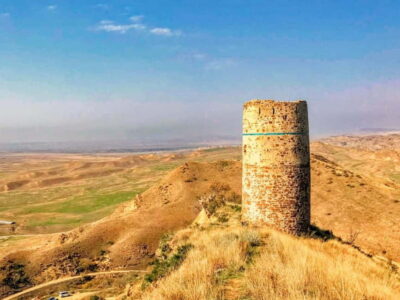
Real Adventure – Gareja & Rainbow Desert 4×4 + Hike
Read our review →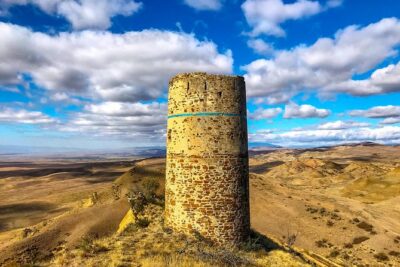
David Gareji and Real Rainbow Mountains Off-Road adventure + hike
Read our review →
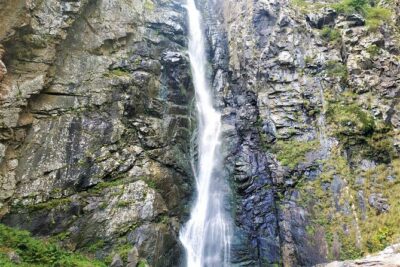
Kazbegi Tour with Gergeti Church, Waterfall Hike & Hidden Gems
Read our review →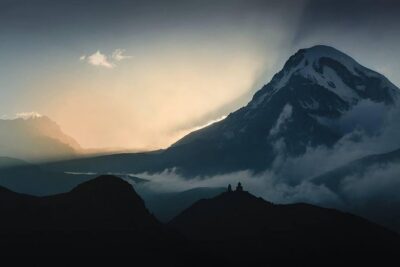
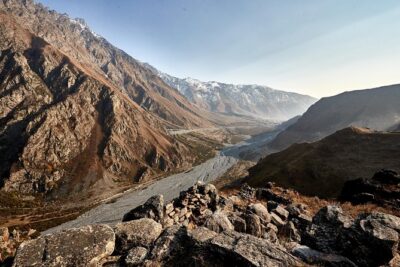
Five days tour to Khevsureti (Abudelauri lakes) & Kazbegi with hikes.
Read our review →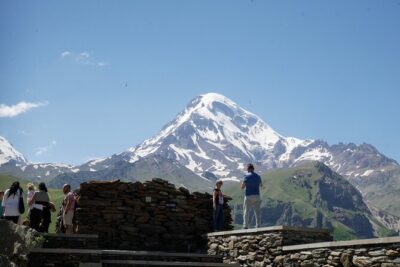
Kazbegi Adventure Day Trip – Hike to Gveleti waterfall plus Gergeti, Ananuri
Read our review →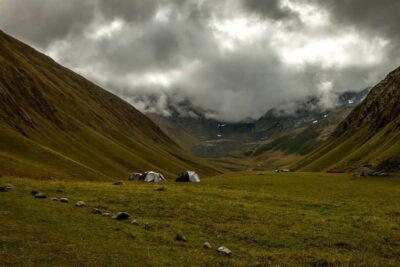
Browse the lists this tour appears in