Reviewed · TOURS
Tour to German Settlements from Tbilisi (Elisabetthal, Trialeti, Katharinenfeld)
German Georgia is an unexpected story. This private day trip from Tbilisi follows the remains of three German settlements, linking churches, a cemetery, a museum, and old town sites across Kvemo Kartli. I like the focused historical theme and the chance to see places that most visitors to Georgia miss.
I also like the comfort of private air-conditioned transport, WiFi, and bottled water during a long 275-kilometer route. The main drawback is the pace: nine hours on the road gives you a useful introduction, but the distance leaves limited time at each stop, and lunch is not included.
In This Review
- Key points to know before booking
- Why German settlements in Georgia make an unusual day trip
- Leaving Tbilisi for Asureti and Elisabetthal
- Didi Gomareti and the church of Alexandershilf
- Bolnisi and the former Katharinenfeld
- What private transport changes on a 275-kilometer route
- Is $197.50 good value for this day?
- Who will enjoy this experience most?
- Practical planning for the 9-hour departure
- Should you book this German settlement tour?
- FAQ
- Where does the tour start?
- How long does the experience last?
- How far does the tour travel?
- Which settlements are included?
- What will I see in Asureti?
- What will I see at Didi Gomareti?
- What will I see in Bolnisi?
- Is lunch included?
- Is the tour private?
Key points to know before booking
- Three settlements, three modern names: You visit Elisabetthal, now Asureti; Alexandershilf, now Trialeti; and Katharinenfeld, now Bolnisi.
- A long but purposeful route: The tour covers about 275 kilometers, or 175 miles, in roughly nine hours.
- A private experience: Only your own group takes part, which gives the day a more personal feel than a standard group excursion.
- The strongest stop is Bolnisi: Two hours are set aside for the museum and historical sites connected with Katharinenfeld.
- The story is touching, not decorative: Churches and cemeteries point to the difficult history of German communities in Georgia.
- Plan for your own lunch: Transport, water, and WiFi are included, but food is not.
Why German settlements in Georgia make an unusual day trip
This is not a standard wine tour, monastery route, or city excursion. It is a history-focused journey into Georgia’s Kvemo Kartli region, where German settlers established communities whose names and buildings still appear in the modern villages and towns.
The old settlement names are important. Elisabetthal is now Asureti. Alexandershilf is associated with modern Trialeti. Katharinenfeld is now Bolnisi. Seeing both names helps you understand the change from German colonial settlement to Georgian town and village life.
I find the subject valuable because it adds another layer to Georgia’s past. The country is often presented through its medieval churches, mountain scenery, food, and wine. This route shows a different Georgia, one shaped by migration, Lutheran worship, and the difficult fate of German communities.
The experience also has a quiet tone. You are not moving from one famous monument to another with a packed schedule of photo stops. Instead, you are visiting a Lutheran church, a cemetery, another church, and a museum. That makes the tour better for someone who enjoys historical traces and reflective places.
More things to do in Tbilisi:
- Tbilisi: Day Trip to Kazbegi, Gudauri, Gergeti, and Ananuri
★ 4.9 · 3,203 reviews - Day Trip to Kakheti Wine Region Including 9 Wine Tastings
★ 5.0 · 2,774 reviews - Highlights of Caucasus Mountains-Jinvali,Ananuri,Gudauri,Kazbegi(Group tour)
★ 5.0 · 2,682 reviews
Leaving Tbilisi for Asureti and Elisabetthal
The day begins at 9:00 am with pickup in Tbilisi. Since the tour is private, you do not have to share the vehicle with a large group. That matters on a full-day route, especially when the total driving distance reaches about 275 kilometers.
The vehicle is air-conditioned, and WiFi and bottled water are included. Those are practical benefits rather than flashy extras. You can settle in for the long transfers without worrying about buying water along the way, and the air conditioning matters during warmer weather.
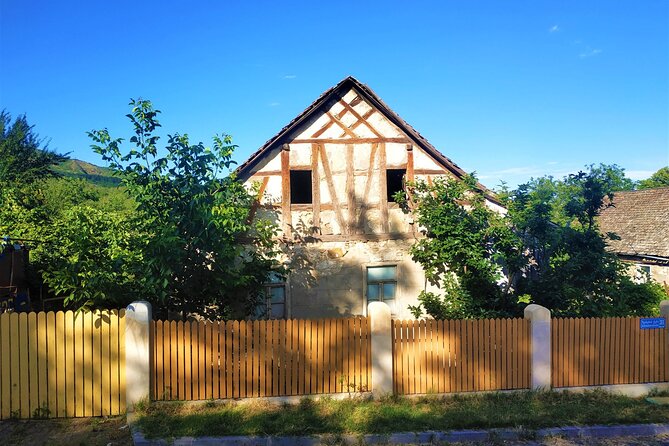
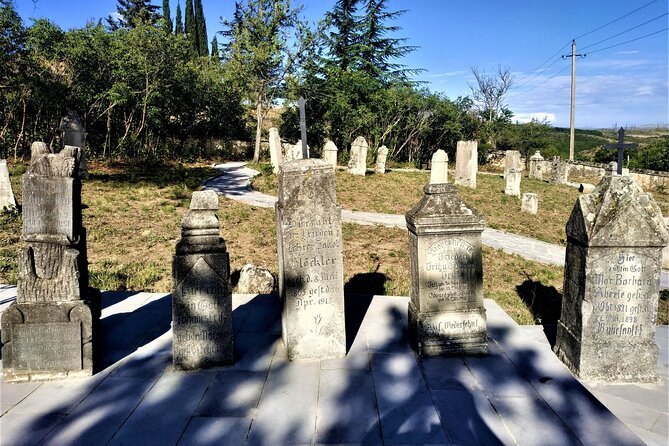
Your first stop is Asureti, the modern village connected with the former German settlement of Elisabetthal. You have about one hour here. The main points are the Lutheran church and cemetery, both included without an admission charge.
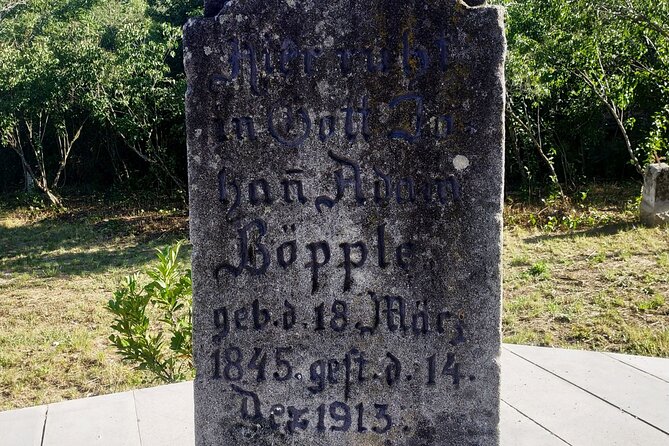
The cemetery is likely to be one of the more affecting parts of the day. A cemetery gives the settlement a human scale. Names, dates, and surviving markers can make the story feel less abstract than a short paragraph in a guidebook. I would allow yourself time to look closely rather than treating the stop as a quick church photograph.
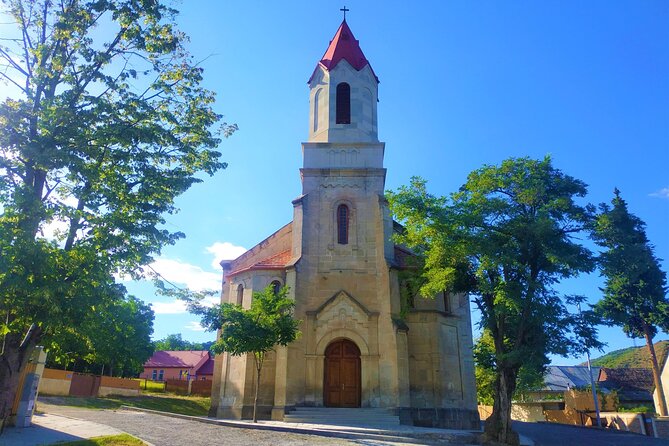
The Lutheran church provides another useful clue to the community that once lived here. It is not simply another old religious building in Georgia. Its presence points to a German Protestant tradition in a country where Orthodox Christian sites usually receive far more attention.
The limitation is clear: one hour is not a long visit. You should expect an introduction, not a full archaeological or architectural study. If you want to linger at the cemetery, inspect every feature, and ask extended questions, the schedule may feel tight.
Still, Asureti gives the trip a strong beginning. You see the old and new names side by side, visit a religious building tied to the settlement, and encounter a cemetery that brings the human story into view.
Didi Gomareti and the church of Alexandershilf
The second stop is Didi Gomareti, where you visit the Lutheran church associated with Alexandershilf, now known as Trialeti. The planned visit lasts about one hour, with no admission fee.
This stop is valuable because it keeps the focus on the settlements themselves. Instead of concentrating only on the best-preserved or most accessible town, the route includes another community and another church. That broader view helps you see that German settlement in Georgia was not limited to one location.
The modern and historic names can be confusing, so I recommend keeping them written down during the day:
- Elisabetthal is modern Asureti.
- Alexandershilf is connected with modern Trialeti.
- Katharinenfeld is modern Bolnisi.
The naming shift is part of the story. You are not just visiting three unrelated points. You are following the changing identity of communities over time.
The Didi Gomareti stop may appeal most to people who enjoy places that require a little context. The attraction is not described as a large museum or a major monument. The Lutheran church is the central reason to stop, and its value comes from what it represents.
That also creates a possible drawback. If you prefer a day packed with famous sights, this church may feel modest. The tour asks you to care about historical meaning, not just scale or decoration. I think that is a fair trade, but it is best to know it before paying.
The one-hour timing gives you enough space for a focused visit. It does not turn the day into a slow village study. After the church, you return to the vehicle and continue toward Bolnisi, the longest and most substantial stop.
Bolnisi and the former Katharinenfeld
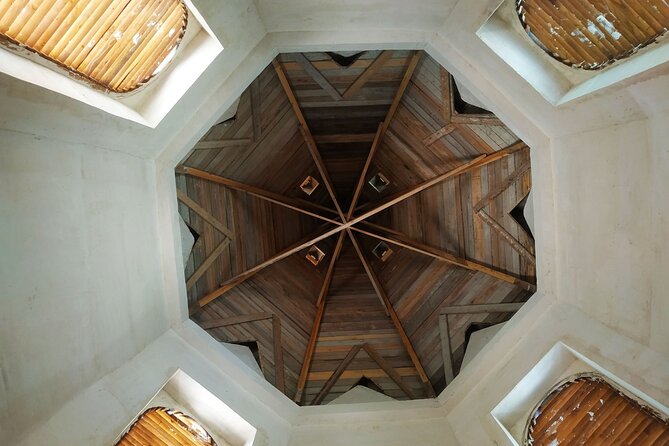
Bolnisi receives two hours, making it the most generously timed stop. Here you visit a museum and historical sites connected with Katharinenfeld, the former German settlement.
I would treat Bolnisi as the central chapter of the tour. The museum should help place the churches and cemetery from the earlier stops into a wider story. After seeing physical traces in Asureti and Didi Gomareti, you have a better framework for understanding what you are looking at here.
The two-hour period also gives the stop more breathing room. You are less likely to feel that you have only arrived, taken a quick look, and left. The exact museum displays and historical sites are not specified, so you should not book expecting a particular collection or named exhibit. What is clear is that Bolnisi offers the most developed historical visit on the route.
The former name Katharinenfeld is worth remembering. It links the modern town with the German settlement story and shows how the past remains present in the geography. I like this kind of travel because a place name can become a small history lesson every time you see it on a map or hear it from your guide.
Bolnisi is also where the emotional weight of the day may gather. One account describes the history of Germans in Georgia as unfortunate and the tour as touching. That response makes sense: churches, cemeteries, and museum material can show not only what a community built, but also how much changed around it.
Do not expect a light entertainment outing. This is a reflective visit, and some of the subject matter may feel sad. The reward is a more honest view of Georgia’s past, one that includes communities whose story is not always part of the usual sightseeing route.
A completely different kind of day:
- From Tbilisi: Kakheti Wine Region Tour with 9 Wine Tastings
★ 4.9 · 2,541 reviews - Tbilisi: Mtskheta, Jvari, Gori and Uplistsikhe Day Tour
★ 4.9 · 2,396 reviews - From Tbilisi to Kazbegi, Ananuri, Gudauri & Gergeti
★ 4.9 · 2,278 reviews - Tbilisi: Kakheti Wine Region Tour with 10 Wine Tastings
★ 5.0 · 2,160 reviews
What private transport changes on a 275-kilometer route
A private vehicle is especially useful here because the route is spread across several settlements. You are not trying to connect remote stops by public transport, and you do not have to organize several separate rides.
The private format means only your group participates. That gives you a more controlled day. You can focus on the sites without adjusting to a busload of strangers, and you may find it easier to ask questions or set the tone for your visit.
The 275-kilometer distance is still substantial. Nine hours sounds generous until you account for the drive between three stops. The schedule works because the visits are focused: one hour in Asureti, one hour at Didi Gomareti, and two hours in Bolnisi. The remaining time belongs largely to transport and the natural pauses of a full-day road trip.
I would bring a charged phone, comfortable clothing, and a little patience for time in the vehicle. WiFi is included, but you should not rely on it as a substitute for planning your day. Bottled water is supplied, while lunch is not, so arrange food before departure or ask about the practical options available during the route.
The air-conditioned vehicle is another reason this tour makes sense as a private excursion. Long drives are easier when you can sit comfortably rather than worrying about changing connections. The price also covers private transportation, so you are paying for the route to be handled for you, not simply for admission to three sites.
Is $197.50 good value for this day?
The price is $197.50 per person. Value depends heavily on group size.
For a solo participant or a couple, that is a serious day-trip cost. The tour covers a lot of ground, but the sites themselves have free admission. You are therefore paying mainly for private transport, the driver or tour service, air conditioning, WiFi, bottled water, and the convenience of a prearranged historical route.
For a small private group, the price can look more reasonable because the cost is attached to a full vehicle and a tailored experience rather than a single entrance ticket. Group discounts are offered, which may improve the value for families or friends booking together.
I would compare this tour with the cost and effort of arranging transport to three lesser-known settlements yourself. The challenge is not simply reaching one town. It is connecting Asureti, Didi Gomareti, and Bolnisi in one day while keeping the history connected. If you value convenience and a clear theme, the price has a sensible basis.
Lunch is the main extra cost to remember. It is not included, so your final budget should include food. Admission to the listed sites is free, which keeps the day’s additional expenses fairly simple.
The tour has a very strong rating based on one submitted rating, but the sample is small. I would take the positive response as encouragement, not as proof that every visitor will feel the same. The subject is specialized, and the experience depends on your interest in settlement history.
Who will enjoy this experience most?
I would recommend this tour to you if you like:
- Religious buildings with a historical purpose beyond their appearance
- Cemeteries, museums, and old settlement stories
- Private day trips with a focused subject
- Lesser-known parts of Georgia
- Quiet, thoughtful sightseeing rather than a packed entertainment schedule
It is also a good choice if you have already seen Tbilisi’s main sights and want a day with a different theme. The route gives you a look at Kvemo Kartli and introduces a part of Georgia’s past that many standard excursions leave out.
You may want to skip it if you need constant activity, famous monuments, or a food-centered day. The first two stops are short and focused, and the long driving time is unavoidable. Someone who dislikes sitting in a vehicle for several hours may find the day tiring.
Most people can participate, according to the practical information provided. The tour requires good weather, and poor conditions can lead to a different date or a full refund. That is worth considering when choosing your travel date.
Practical planning for the 9-hour departure
Pickup is offered, and the scheduled start is 9:00 am. Confirmation is provided when you book, so you should have the departure details in hand before the morning of the tour.
Wear comfortable clothes for a full day out and keep your schedule clear. Even though the planned duration is about nine hours, a road trip can feel longer if traffic or road conditions affect the timing. The tour requires good weather, so keep some flexibility if your Tbilisi plans are tightly arranged.
Bring water only if you prefer more than the supplied bottled water. Pack or plan for lunch, since food is not included. A phone charger is also sensible for the long vehicle sections, especially if you intend to use the onboard WiFi or take notes about the old and modern place names.
Free cancellation is available when you cancel at least 24 hours before the start time. Changes or cancellations made within 24 hours are not accepted for a refund, and poor weather may lead to a new date or a full refund instead.
Should you book this German settlement tour?
Book it if you want a private, history-led day outside Tbilisi and you are willing to trade a few famous sights for churches, a cemetery, museum material, and the story of German communities in Georgia.
The best reason to choose it is the subject. Asureti, Didi Gomareti, and Bolnisi are linked by a story that is unusual, human, and sometimes sad. The private vehicle, included water, air conditioning, and group discounts make the long route easier to manage, especially with several people sharing the booking.
I would not book it casually as a generic sightseeing trip. The 275-kilometer drive is a major part of the day, lunch costs extra, and the first two stops are brief. But if that balance suits you, this is a thoughtful way to see a less familiar side of Georgia.
FAQ
Where does the tour start?
The tour starts with pickup in Tbilisi at 9:00 am.
How long does the experience last?
The tour lasts approximately nine hours.
How far does the tour travel?
The total driving distance is about 275 kilometers, or 175 miles.
Which settlements are included?
The tour visits Elisabetthal, now Asureti; Alexandershilf, now Trialeti; and Katharinenfeld, now Bolnisi.
What will I see in Asureti?
In Asureti, you visit the Lutheran church and cemetery connected with Elisabetthal.
What will I see at Didi Gomareti?
At Didi Gomareti, you visit the Lutheran church associated with Alexandershilf, the former settlement connected with modern Trialeti.
What will I see in Bolnisi?
In Bolnisi, you visit a museum and historical sites connected with Katharinenfeld.
Is lunch included?
No. Lunch is not included in the tour price.
Is the tour private?
Yes. Only your own group participates in this private activity.
Just added in Tbilisi
- Wine Tasting feel the Difference of Qvevri or Classical Wine★ 4.4 · 10 reviews
- From Tbilisi: Kakheti and Kazbegi 2-Day 4X4 Jeep Tour pack★ 5.0 · 6 reviews
- Walking Tour in Old Tbilisi – Group Tour★ 4.5 · 8 reviews
- Uforgatable Kakheti Tour with wine tasting – in Georgia★ 4.9 · 5 reviews
- From Tbilisi: Uplistsikhe Caves and Mtskheta Town Day tour★ 5.0 · 2 reviews
- Tbilisi: Vintage Fashion and Secondhand Thrifting Tour★ 5.0 · 11 reviews
- Tbilisi Airport to Gudauri, Bakuriani, Batumi, Tbilisi★ 5.0 · 3 reviews
- Private Adorable City Tour of Tbilisi★ 5.0 · 3 reviews
Tours, compared.

Highlights of Caucasus Mountains-Jinvali,Ananuri,Gudauri,Kazbegi(Group tour)
Read our review →
Kakheti Wine Region Tour with 9 Wine Tastings
Read our review →
Mtskheta, Jvari, Gori and Uplistsikhe Day Tour
Read our review →
Kakheti Wine Region Tour with 10 Wine Tastings
Read our review →
Tbilisi Walking Tour Including Cable Car and Traditional Bakery
Read our review →