
Reviewed · WINE TOURS IN TBILISI
Tbilisi: Wine & New Friends – A Social Experience
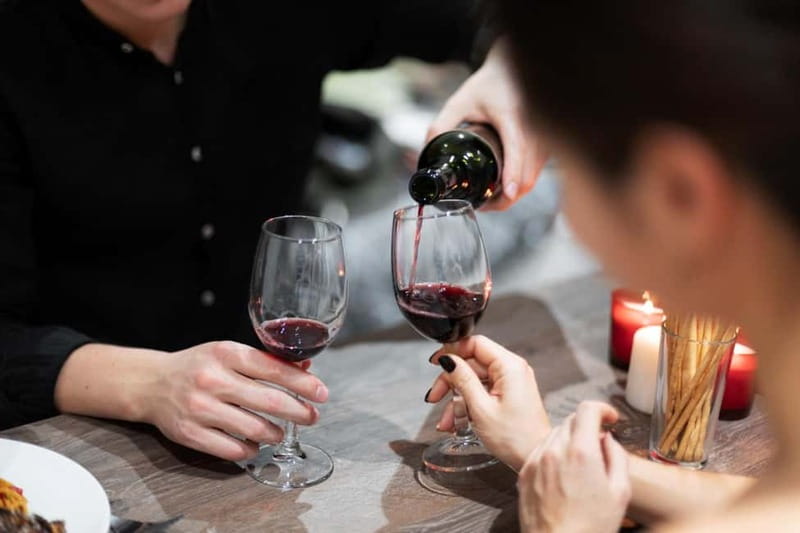
Wine is the easiest way to meet Tbilisi. I like the combination of four Georgian wines and chacha, plus the small-group setting where conversation matters as much as the tasting. I also like the local touch: hosts such as Ika, Soso, Shoti, and Sofia bring stories about Georgian customs, daily life, and wine to the table. One practical caution is the timing, since the experience is described as both 30 minutes and one hour.
At $10 per person, this is a strong-value introduction to Georgian wine rather than a full wine course. You get a friendly host, several pours, and a chance to meet people without committing half a day. It suits solo visitors especially well, though anyone who dislikes alcohol, informal conversation, or a compact tasting should choose another activity.
In This Review
- Key points to know before you go
- What this Tbilisi wine experience is really about
- Four wines, one spirit, and a compact introduction to Georgia
- Why the conversation matters as much as the wine
- Inside Gamarjoba shop on Tumaniani Street
- The 30-minute or one-hour question
- Is $10 a good price?
- Who will enjoy it most?
- What the hosts add to the experience
- Practical advice for a better visit
- The main strengths and limitations
- Should you book this Tbilisi tasting?
- FAQ
- Where does the wine experience meet?
- How long does the experience last?
- How many wines are included?
- Is chacha included?
- How much does it cost?
- What languages does the host speak?
- How large is the group?
- What should I bring?
Key points to know before you go

- Four Georgian wines and chacha: You sample a range of local wines, including the possibility of Khvanchkara, plus Georgia’s traditional spirit.
- A social format for up to eight people: The small group gives you a better chance to talk instead of sitting quietly through a lecture.
- Local hosts shape the experience: Ika, Zura, Joseph, Giorgi, Alex, Shoti, Soso, and Sofia have all been associated with warm, engaging tastings here.
- Inside Gamarjoba shop: The meeting point is 15 Ovanes Tumaniani Street in Tbilisi, with the shop described as easy to find and near Sameba Church.
- Good value at $10: The price covers the tasting, conversation, and cultural guidance, with no hotel transport included.
- Check the exact duration: The details give both 30 minutes and one hour, so confirm the starting time and expected length when booking.
What this Tbilisi wine experience is really about
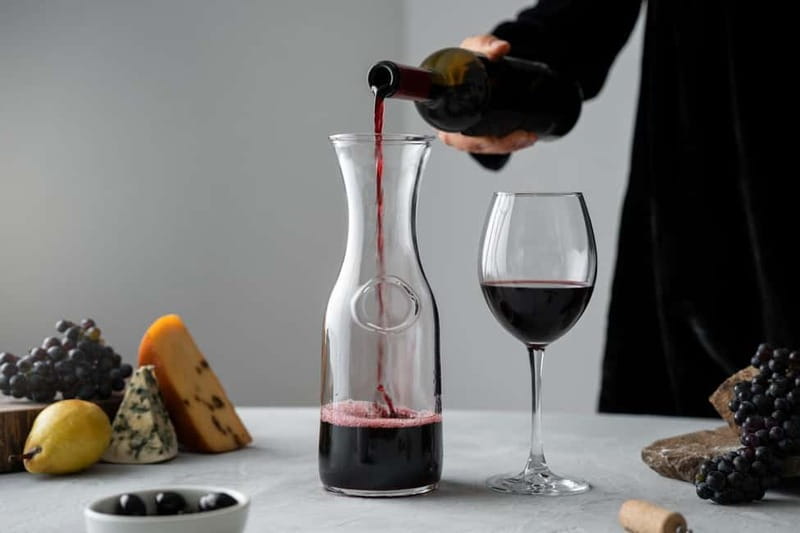
This is not built like a formal sommelier lesson. You will not be marched through a long technical presentation or expected to memorize grape names. Instead, the wine gives everyone an easy reason to start talking.
The host begins with introductions and light conversation. That simple opening matters if you arrive alone or feel awkward joining a group of strangers. You can share where you have been in Georgia, ask about local customs, or simply listen while the host gets the conversation moving.
The tasting includes four Georgian wines and chacha, a traditional local spirit. The exact bottles can vary, but the overall aim is to give you a quick sense of Georgia’s drinking culture and wine traditions. You may encounter both Georgian-style wines and more European-style wines, as well as celebrated bottles such as Khvanchkara.
The host adds cultural context along the way. You might hear about Georgian traditions, everyday life, wine production, or the way people socialise around a table. The information is meant to support conversation, not overwhelm it.
I see this as a useful first taste of Georgia. You get enough background to make later wine choices with more confidence, but the focus remains on people and atmosphere.
More Wine Tours in Tbilisi
- Day Trip to Kakheti Wine Region Including 9 Wine Tastings
★ 5.0 · 2,774 reviews - From Tbilisi: Kakheti Wine Region Tour with 9 Wine Tastings
★ 4.9 · 2,541 reviews - Tbilisi: Kakheti Wine Region Tour with 10 Wine Tastings
★ 5.0 · 2,160 reviews
Four wines, one spirit, and a compact introduction to Georgia
The central part of the experience is the tasting itself. Four wines give you enough variety to compare styles, flavours, and impressions without turning the session into a long study class.
The host guides you through the wines and explains their making and flavours. That can help you notice differences you might otherwise miss, especially if Georgian wine is new to you. You can ask questions as you go, rather than waiting for a formal question period.
Khvanchkara is one bottle worth watching for. It is specifically mentioned as part of one tasting, though there is no promise that it appears at every session. If you are interested in trying it, ask the host what is being poured that day.
The inclusion of chacha gives the experience a distinctly Georgian edge. This is not simply an extra wine sample. It introduces you to a local spirit that belongs to the wider food and drink culture of the country.
Take it slowly. The tasting may be short, but the combination of several wines and a spirit can catch up with you. One useful piece of advice is to treat the experience as a tasting, not a race. The friendly atmosphere can make it easy to keep accepting pours.
The wine selection has received the strongest praise. People have singled out the quality and flavour of the bottles, with several describing the tasting as excellent value. That praise fits the price well, especially if you want a short, low-cost introduction before buying wine elsewhere in Tbilisi.
Why the conversation matters as much as the wine

The best feature here is the social design. The host does not simply place glasses on a table and leave you to work out what happens next. Conversation starters and cultural stories help the group connect.
That makes a difference for a solo visitor. A wine shop can otherwise be a quiet place where you taste, pay, and leave. Here, you have a built-in chance to meet people and exchange travel stories.
Couples can also enjoy it, particularly if they want to add a human element to a sightseeing day. You are not locked into a long group tour, and the setting offers a change from walking around churches, museums, and streets.
Friends may find the format easygoing and flexible. You can compare your reactions to the wines while still speaking with the host and other participants. The group limit of eight is small enough for direct conversation, though the exact feel will depend on who attends.
Hosts are a major part of the experience. Ika is praised for making the evening especially enjoyable and for explaining the wines well. Shoti is described as polite, informative, and entertaining. Joseph, also called Soso, is noted for taking a personal interest in making the tasting comfortable.
Other names connected with the sessions include Giorgi, Alex, Zura, and Sofia. The repeated pattern is clear: the host’s warmth and ability to keep conversation moving can shape your experience more than any single bottle.
Inside Gamarjoba shop on Tumaniani Street
You meet the host inside Gamarjoba shop at 15 Ovanes Tumaniani Street, Tbilisi. The shop setting keeps the experience practical and direct. You do not need to travel out of the city or arrange transport to a distant winery.
The location has been described as easy to find. It is also associated with the area around Sameba Church, which can help you orient yourself if you are already sightseeing nearby. Still, arrive 10 minutes early, since a short tasting does not leave much room for a late start.
There is no hotel pickup or drop-off. That is normal for a compact central activity, but you should plan your own route to the shop. The meeting point is specific, so check the street name and shop name before setting out.
The shop atmosphere also affects expectations. This is not presented as a grand vineyard visit or a countryside meal. You are coming for a focused tasting in an urban setting, with the host and other participants providing the sense of occasion.
That can be an advantage. You can fit it between other plans and avoid spending hours on transport. The tradeoff is that you will not get a full winery tour, vineyard walk, or extended food pairing based on the information provided.
A completely different kind of day:
- Tbilisi: Day Trip to Kazbegi, Gudauri, Gergeti, and Ananuri
★ 4.9 · 3,203 reviews - Highlights of Caucasus Mountains-Jinvali,Ananuri,Gudauri,Kazbegi(Group tour)
★ 5.0 · 2,682 reviews - Tbilisi: Mtskheta, Jvari, Gori and Uplistsikhe Day Tour
★ 4.9 · 2,396 reviews - From Tbilisi to Kazbegi, Ananuri, Gudauri & Gergeti
★ 4.9 · 2,278 reviews
The 30-minute or one-hour question
Timing needs a little care. The experience is listed as 30 minutes in one part of the details, while the inclusions describe a one-hour social wine experience.
That difference matters. Four wines, chacha, introductions, cultural stories, and real conversation can feel quite compressed in half an hour. If the session runs for an hour, you have more time to ask questions and talk with the group. If it runs for 30 minutes, expect a brisk tasting with less time for extended discussion.
I would confirm the precise length when you check available times. Do not assume the schedule shown in one section applies to every departure.
Either way, this is a short activity. It works well before dinner, after sightseeing, or as a first stop at the start of your Tbilisi stay. It is less suitable if you want a slow evening built around food, several hours of wine, and long conversation.
The short format is also part of the value. At $10, you are paying for a taste of several wines and a guided social setting, not a full-day wine excursion. You can try it without reshaping your itinerary.
Is $10 a good price?

Yes, provided your expectations match the format. Four Georgian wines, chacha, a host, cultural conversation, and a small group make $10 a modest price for an introduction to the country’s wine culture.
The value goes beyond the liquid in the glass. A bottle shop can sell you wine, but it cannot necessarily help you understand what you are buying or introduce you to people from different places. Here, the conversation is part of the product.
The price is especially useful for solo visitors. You do not need to book a private guide or pay for a larger tour to have a social evening. You also get an easy setting for asking basic questions without feeling out of place.
Still, do not expect premium winery service at this price. The information does not include a meal, hotel transport, vineyard visit, or extended private instruction. If you want a polished, technical tasting with detailed production notes for every bottle, you may find this too casual.
For most people, the low cost makes it a sensible addition to a Tbilisi schedule. Even if you already know wine, you can treat it as a relaxed cultural stop rather than a serious course.
Who will enjoy it most?
I would recommend this to solo visitors who want company without booking a large group tour. The host-led introductions make it easier to speak with people, and the group size gives you a reasonable chance to have a real exchange.
Couples are also a good match. You can enjoy the wines together while hearing local stories and meeting others. It adds a social pause to a sightseeing plan without taking up an entire afternoon.
Wine lovers should appreciate the chance to sample Georgian and European-style bottles in one sitting. The selection is described as varied, and Khvanchkara may appear among the wines. Ask questions if you want to understand the differences between the bottles.
It is also suitable for people who want cultural background in plain, conversational form. You will hear about traditions and daily life rather than receiving only technical wine facts.
I would be less likely to recommend it to anyone seeking a quiet, private tasting. The social format is the point, and conversation is encouraged. It is also not suitable for children under 18, pregnant women, or people with mobility impairments.
Anyone consuming alcohol must be at least 18. Smoking is not allowed, and you should bring an ID card, with a copy accepted.
What the hosts add to the experience
A tasting like this depends heavily on the person guiding it. The wine can be good, but a stiff host can turn a social event into a row of silent glasses.
Here, the strongest pattern is friendly hosting. Ika receives praise for both the wines and the quality of the evening. Shoti is described as someone who knows how to inform and entertain. Joseph, or Soso, is noted for paying personal attention to the people in the group.
Sofia’s session is associated with a diverse selection, including bottles that people might not discover on their own. Joseph, Giorgi, and Alex are also praised for making the atmosphere relaxed and welcoming.
You should not assume that one named host will lead every departure. The available host may vary, and the style may change slightly from session to session. That is not necessarily a problem, since the central format remains the same.
What I value here is the human scale. You are not being processed through a fixed script. The host can respond to questions, encourage stories, and adjust the conversation to the people at the table.
Practical advice for a better visit

Arrive 10 minutes early. The shop is the meeting point, and a short session gives you little spare time if you get lost or arrive after introductions.
Bring an ID card. A copy is accepted, which is useful if you prefer not to carry your original passport around the city.
Do not plan to smoke during the tasting. Smoking is not allowed.
If you are sensitive to alcohol, remember that the tasting includes both wine and chacha. Four wines plus a spirit can be more than it sounds, especially in a compact session. Eat beforehand if that suits you, and pace yourself.
Keep your questions ready. You might ask about the wine style, production, flavours, Georgian traditions, or daily life. The format rewards participation, though you can also listen if you are shy.
Check the exact start time and duration before booking. The advertised timing is inconsistent, and that is the one detail I would clarify in advance.
The activity offers free cancellation up to 24 hours before the start time, and you can reserve now and pay later. That gives you some flexibility when arranging a busy Tbilisi itinerary.
The main strengths and limitations
The strongest points are clear:
- The $10 price makes it accessible.
- Four wines plus chacha give you a useful range.
- The group is limited to eight people.
- The host adds culture and conversation instead of only pouring wine.
- The shop location is central and easy to reach.
- The atmosphere suits solo visitors, couples, and social wine lovers.
The limitations are just as important:
- The timing is unclear, with both 30 minutes and one hour stated.
- There is no hotel transport.
- You do not get a vineyard visit or meal.
- The social format may not suit someone seeking privacy.
- Alcohol consumption excludes anyone under 18, pregnant women, and people who do not drink.
- People with mobility impairments are advised not to book.
That is a fair list for a low-cost urban tasting. The experience is not trying to be a full Georgian wine tour. It is a friendly meeting over local drinks.
Should you book this Tbilisi tasting?
Book it if you want a short, inexpensive way to try Georgian wine and meet people in Tbilisi. The combination of four wines, chacha, local stories, and a group of no more than eight offers more personality than a simple shop purchase.
I would especially choose it early in a Tbilisi visit. It can give you useful context for later wine shopping, restaurant orders, and conversations about Georgian culture. Hosts such as Ika, Soso, Shoti, and Sofia also appear to bring the welcoming spirit that makes this format work.
Skip it if you want a private tasting, a vineyard setting, a meal, or a long technical lesson. Also confirm the duration before paying, since 30 minutes and one hour are both stated.
For the right person, this is a small activity with a sensible price and a social payoff. You may leave with a favourite Georgian wine, a mild chacha glow, and a few new names in your phone.
FAQ
Where does the wine experience meet?
Meet the host inside Gamarjoba shop at 15 Ovanes Tumaniani Street, Tbilisi, Georgia.
How long does the experience last?
The details give two different timings: 30 minutes and one hour. Check the exact duration when selecting a start time.
How many wines are included?
The tasting includes four different Georgian wines.
Is chacha included?
Yes. You taste Georgian chacha, a traditional local spirit, along with the wines.
How much does it cost?
The price is $10 per person.
What languages does the host speak?
The host or greeter speaks English and Russian.
How large is the group?
The activity is limited to eight participants.
What should I bring?
Bring an ID card. A copy is accepted. Arrive 10 minutes before the scheduled start time.
Just added in Tbilisi
- Wine Tasting feel the Difference of Qvevri or Classical Wine★ 4.4 · 10 reviews
- From Tbilisi: Kakheti and Kazbegi 2-Day 4X4 Jeep Tour pack★ 5.0 · 6 reviews
- Walking Tour in Old Tbilisi – Group Tour★ 4.5 · 8 reviews
- Uforgatable Kakheti Tour with wine tasting – in Georgia★ 4.9 · 5 reviews
- From Tbilisi: Uplistsikhe Caves and Mtskheta Town Day tour★ 5.0 · 2 reviews
- Tbilisi: Vintage Fashion and Secondhand Thrifting Tour★ 5.0 · 11 reviews
- Tbilisi Airport to Gudauri, Bakuriani, Batumi, Tbilisi★ 5.0 · 3 reviews
- Private Adorable City Tour of Tbilisi★ 5.0 · 3 reviews
Wine Tours in Tbilisi, compared.
Day Trip to Kakheti Wine Region Including 9 Wine Tastings
Read our review →
Kakheti Wine Region Tour with 9 Wine Tastings
Read our review →
Kakheti Wine Region Tour with 10 Wine Tastings
Read our review →
Mtskheta Jvari Bazaar, Chronicles of Georgia & Wine
Read our review →
Mtskheta,Jvari,Bazaar,wine tasting,Chronicles of Georgia
Read our review →
Evening Walking & Talking Tour with Wine & Boat Ride
Read our review →
Evening Walking Tour with Wine & Boat Ride Options
Read our review →
Kakheti;City of Love Sighnaghi, Bodbe. KTW. Wine House Group tour
Read our review →Browse the lists this tour appears in