Reviewed · GUIDED
Tbilisi: 50+ Hidden Gems Guided Tour
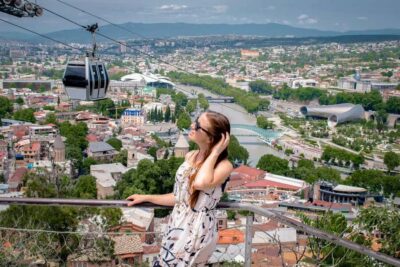
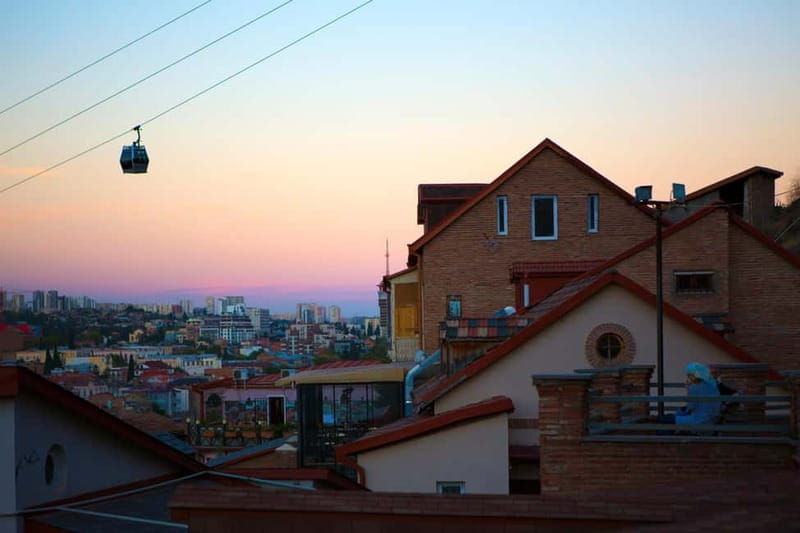
Tbilisi rewards curious walkers. This small-group or private tour links street art, old courtyards, cafes, bars, museums, and overlooked landmarks into a lively introduction to the city beyond the usual Old Town route. I like the local food and drink advice and the way guides such as Lily, Giorgi, Nodar, and Irina adjust the pace to your interests. I also like the hotel pickup and return, which saves time in a spread-out city. The main drawback is simple: this is a lot of ground for two hours, and even the longer version includes plenty of passing by rather than full visits.
Book it early if you want a city orientation with personality. Guides have pointed people toward coffee shops, restaurants, pubs, thrift stores, street art, and the Dry Bridge Market, giving you a useful list of places to return to later. You should bring comfortable shoes, travel light, and aim for the three to four hour option if you want more than a quick sampler.
In This Review
- What makes this Tbilisi tour useful
- Starting at Parliament and Rustaveli Avenue
- Parks, cafes, and creative spaces
- Museums, theaters, and streets with stories
- Street art, courtyards, and Tbilisi’s less formal side
- Dry Bridge Market and the final stretch
- How much walking and driving to expect
- Guides and the value of local advice
- Is $36 a fair price?
- Who should book it?
- FAQ
- How long does the Tbilisi tour last?
- What languages are available?
- Is hotel pickup included?
- Is this a private tour?
- What does the price include?
- Are food and drinks included?
- What should I bring?
- Should you book this experience?
What makes this Tbilisi tour useful
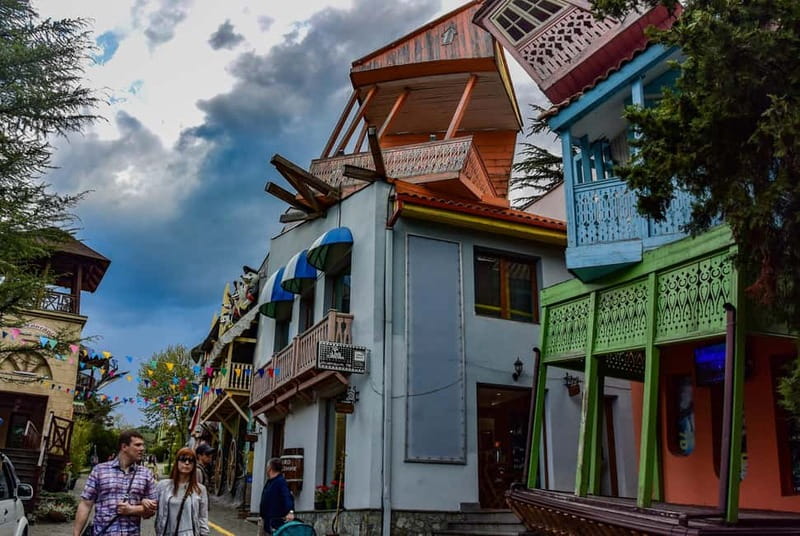
- Coffee, food, and bar recommendations: Stops include Cafe Stamba, Lolita, Dedaena Bar, Sofia Melnikova’s Fantastic Douqan, Nali Pub, Salobie Bia, and other local favorites.
- Modern Tbilisi alongside old monuments: The route covers Rustaveli, street art, galleries, parks, creative venues, and historic buildings rather than focusing only on the traditional center.
- A guide-led local point of view: Lily, Giorgi, Georgy, Nodar, and Irina are praised for friendly conversation, strong English, and personal recommendations.
- Dry Bridge Market access: A guide can help you browse the art and antiques, including finding original paintings and other unusual souvenirs.
- Flexible format: You can choose a private or small-group experience, with Russian and English available.
- Hotel-to-hotel convenience: Pickup, return transport, water, a local snack, and a cup of coffee are included.
Starting at Parliament and Rustaveli Avenue
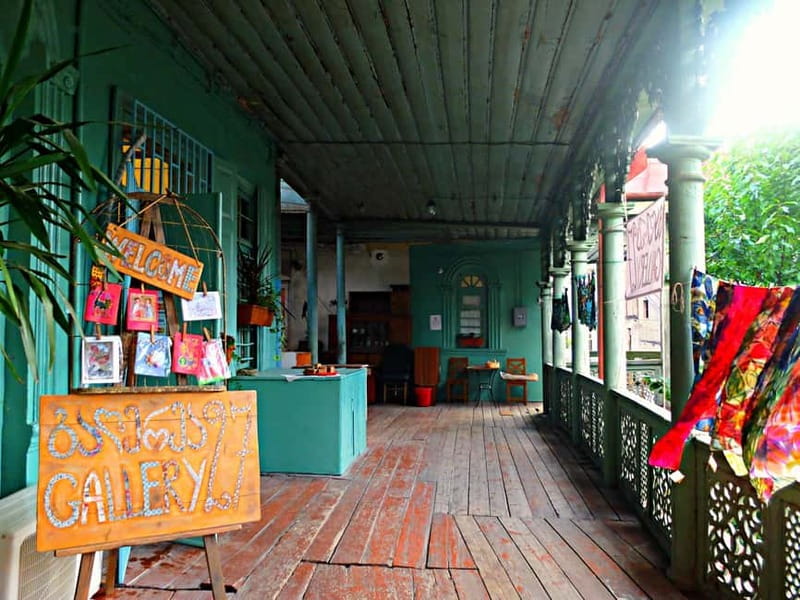
The tour begins with pickup in Tbilisi, normally at your hotel. You should wait in the lobby five minutes before the agreed time, since the driver will wait no longer than five minutes. The included return ride is useful after several hours on foot, especially if your accommodation is not close to the center.
The first major stops are the Parliament of Georgia and Rustaveli Avenue. These give you a quick visual introduction to the city’s political, cultural, and architectural center. Expect a mixture of guided explanation, photographs, free time, and short refreshment stops rather than a formal indoor museum visit.
Rustaveli is a particularly sensible place to begin. The route later returns to this cultural corridor, so an early explanation helps you understand the Opera and Ballet Theater, Rustaveli Theatre, Georgian Museum of Fine Arts, National Parliamentary Library, and other buildings you pass. I would use this section to ask your guide what deserves a return visit.
The Shota Rustaveli monument, Tbilisi State Academy of Arts, and National Opera and Ballet Theater add more context to the avenue. Some are photo stops or pass-by points, so do not expect admission to every building. The value is in the connections your guide makes between the buildings, the city’s artistic life, and present-day Tbilisi.
More things to do in Tbilisi:
- Tbilisi: Day Trip to Kazbegi, Gudauri, Gergeti, and Ananuri
★ 4.9 · 3,203 reviews - Day Trip to Kakheti Wine Region Including 9 Wine Tastings
★ 5.0 · 2,774 reviews - Highlights of Caucasus Mountains-Jinvali,Ananuri,Gudauri,Kazbegi(Group tour)
★ 5.0 · 2,682 reviews
Parks, cafes, and creative spaces
Dedaena Park shifts the mood from grand avenue to open-air city life. The stop can include coffee, tea, or a spirit, along with time to look around. Dedaena Bar is nearby in the broad sense of the route’s social focus, and it gives you an idea of where local leisure fits into the city day.
Cafe Stamba and Lolita are among the most useful stops for first-time visitors who care about contemporary Tbilisi. You may visit, take photographs, and hear a guide’s explanation of what makes these places worth knowing. They are not just filler stops. They help you see the city as a place of design, food, coffee, nightlife, and creative reuse.
Other stops in this section include the Tbilisi Concert Hall, Vere Park, Success Bar, ALTHAUS, Bazari Orbeliani, and Orbeliani Park. The schedule lists several of these as walking stops or pass-by locations, so the amount of time inside each place can vary. If one cafe or venue catches your eye, tell your guide. The tour is at its best when you use it to build your own return list.
Bazari Orbeliani is especially practical for food-minded visitors. It can help you identify a place to return for a meal or a look at local products, though the tour does not include food and drinks beyond the listed coffee and snack. Budget extra if you want to stop for lunch, wine, or a longer cafe break.
The route also includes the Tbilisi Concert Hall and Mono Hall. These venues show another side of the city, one tied to music and nightlife rather than monuments. Mono Hall includes a visit and guided time, while several other venues are listed mainly for photographs or a walk past.
Museums, theaters, and streets with stories
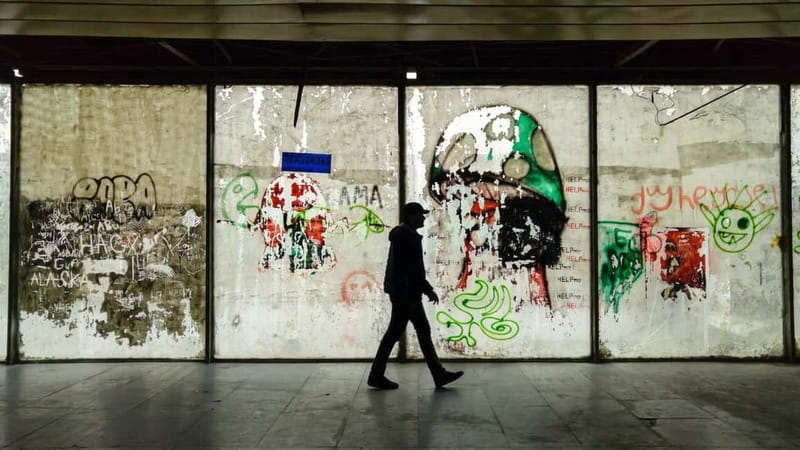
The Georgian Museum of Fine Arts, MoMA Tbilisi, Georgian National Museum, Lado Gudiashvili Exhibition Hall, and Elene Akhvlediani Memorial Museum give the itinerary a strong art focus. You may pass by some of these rather than enter, so clarify the plan if a particular collection matters to you.
That distinction matters. A photo stop outside the Georgian Museum of Fine Arts is not the same as an admission visit, and a guided walk past MoMA Tbilisi will not replace museum time. Still, a guide can point out which institutions deserve a separate visit, saving you from trying to see every collection in one rushed afternoon.
The Rustaveli Theatre and National Opera and Ballet Theater are also mainly exterior or pass-by stops in the listed schedule. Their value here is the setting and the stories attached to them. If you enjoy architecture, performance, and city history, keep your camera ready and ask for recommendations about returning independently.
Leo Kiacheli Street, Kiacheli Residence, and the Shota Rustaveli monument add smaller details to the route. These are the kind of stops that can be easy to miss when you walk alone with a map. The guide’s role is not simply to point at a building, but to explain why a side street or residence matters.
The Blue Monastery offers a quieter architectural pause. Other points, such as the Presidential Palace and the National Parliamentary Library of Georgia, help you see the city’s formal civic face. Since the itinerary includes many locations, the guide’s storytelling becomes more important than the length of each stop.
Street art, courtyards, and Tbilisi’s less formal side
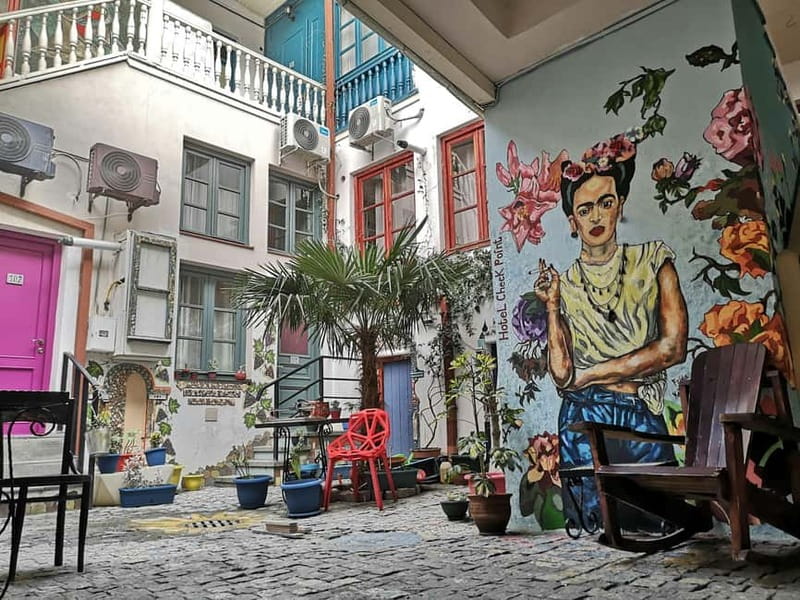
Street art is one of the clearest reasons to choose this experience instead of a standard monument walk. The tour includes a specific street-art stop, plus smaller streets and social venues where you might notice painted walls, unusual storefronts, and creative details that do not appear in a basic sightseeing circuit.
You also get time around courtyards and tucked-away spaces. The exact courtyards are not fixed in the information provided, so you should think of this as a guide-led search through the city rather than a guaranteed checklist of named interiors. That flexibility is useful because Tbilisi’s appeal often lies in what appears around the next corner.
Sofia Melnikova’s Fantastic Douqan is one of the more distinctive food and drink stops. The Nali Pub, Dublin Pub, Canudos Ethnic Bar, Mimosa Bar, On the Needle, Muhudo, and Dedaena Bar bring different moods to the route. Some receive a visit and free time, while others are passed with commentary.
This is where the tour can become especially helpful for an evening in Tbilisi. You are not forced to spend the rest of your stay in the first restaurant or bar you notice. You can ask your guide which places suit coffee, Georgian food, casual drinks, music, or a particular atmosphere.
Food stops include Restaurant Nair Nairi, Cafe Daphna, The King & The Bird, Salobie Bia, and Bazari Orbeliani. The tour includes a local snack and a cup of coffee, but other meals and drinks cost extra. I would not book this expecting a food tour. It is better understood as a city walk with well-placed tasting and recommendation moments.
A few more options to weigh up in Tbilisi
- Tbilisi: City Highlights Guided Walking Tour
★ 4.9 · 1,114 reviews - Tbilisi: Borjomi, Rabati & Vardzia Adventure Guided Tour
★ 4.9 · 817 reviews - From Tbilisi: Mtskheta, Jvari, Gori, Uplistsikhe Guided Tour
★ 4.7 · 354 reviews - From Tbilisi: Guided Day Trip to Ananuri, Gudauri, & Kazbegi
★ 4.7 · 341 reviews
Dry Bridge Market and the final stretch
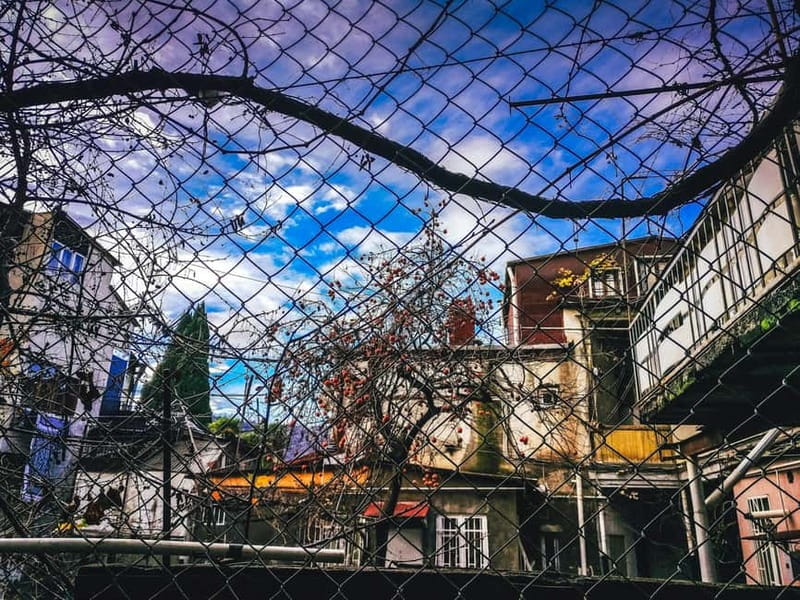
Dry Bridge Market is one of the most valuable stops for shoppers and anyone who wants a souvenir with a story. The route lists it as a guided walking stop, and a guide can help you look through art and other objects without wasting your limited time.
One especially useful piece of advice is to ask your guide for help when you find artwork you like. A guide named Lily helped one family locate an original painting by a modest local artist. That kind of assistance can make the market feel less intimidating, though you should still inspect purchases carefully and agree on prices yourself.
The Flower Market adds another colorful pause, with free time and sightseeing. The surrounding streets also include the National Parliamentary Library and additional street art. These smaller stops break up the museum and monument sections and keep the experience from feeling like a parade of official buildings.
The final locations include the Elene Akhvlediani Memorial Museum, Kiacheli Residence, Mimosa Bar, Muhudo, and the return to Tbilisi. Some of these are pass-by points, while Muhudo includes a visit and guided walking time. The route is broad, so the exact finish can depend on pace, traffic, and your chosen tour length.
The itinerary even lists ALTHAUS and Dublin Pub more than once. That may reflect route planning or alternate timing rather than two separate major experiences. I would treat the long list as a menu of possible sights, not a promise that you will spend equal time at all 45 numbered entries.
How much walking and driving to expect
This is fundamentally a walking tour supported by transport. One past booking included a walking start from the hotel and a car ride back, while the standard details promise hotel pickup and drop-off. The arrangement lets you cover more districts than a strict walking loop.
You should still expect plenty of walking, some stairs, and frequent stops. Comfortable shoes are essential. Large bags and luggage are not allowed, which is sensible for narrow streets and cafe visits but important if you are arriving or departing the same day.
The stated duration is two to four hours. The shorter version may work as a fast orientation, especially if you want a list of places to explore later. I would choose three to four hours if you want time for conversation, photographs, coffee, street art, and the market without treating the city like a race.
The tour can be private or organized for a small group. A private booking may be worth considering for families, couples with specific interests, or anyone worried about keeping teenagers engaged. One family found that the guide quickly adapted the route to the interests of teenage boys, turning a possible complaint-fest into a successful outing.
Guides and the value of local advice
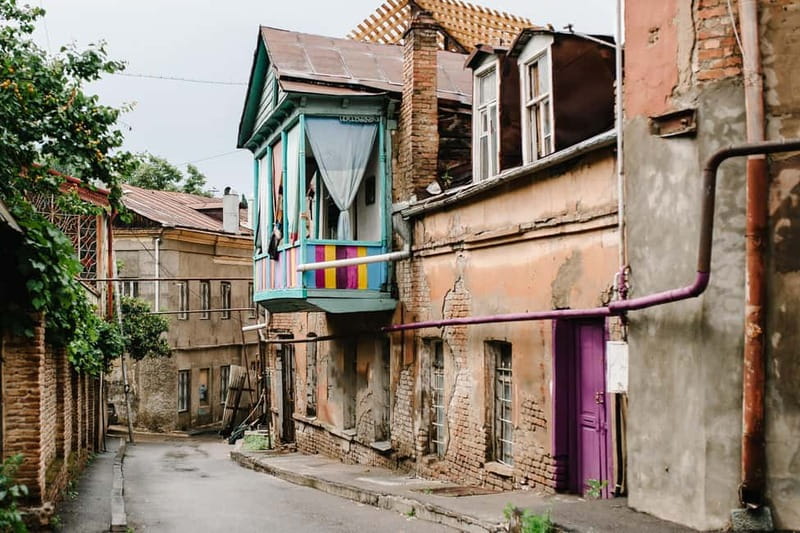
The strongest part of this experience is the guide. Lily is repeatedly described as friendly, energetic, thoughtful, and easy to talk with. Giorgi and Georgy are praised for their stories about the past and present, while Nodar and Irina are noted for organization, warmth, and clear English.
You should not expect a scripted lecture delivered at top speed. The best accounts describe relaxed conversation, time for photographs, breaks when needed, and explanations that connect old buildings with modern Georgian life. One guide even included a chacha tasting during a walk, while another shared a meal and coffee with the group.
Language options are English and Russian. English ability has been a clear strength across the guide team, but if you need detailed information in Russian, select that language when booking. The guide can also tailor stops around your interests, though it is wise to say what you care about at the beginning.
For me, the most practical advantage is timing. Taking this tour near the start of your stay gives you a ready-made list of restaurants, pubs, cafes, galleries, shops, and markets. Taking it after your first few days may work better if you already know the main sights and want to fill in the gaps.
Is $36 a fair price?
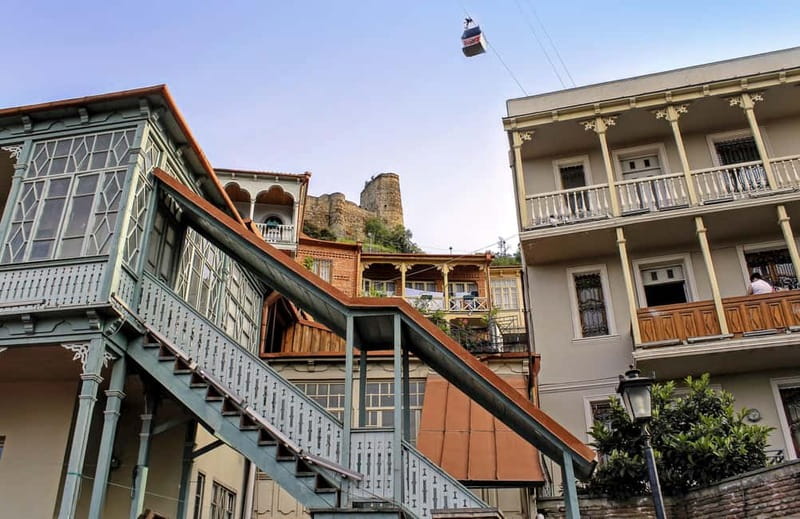
At $36 per person, the tour offers solid value if you use the guide’s local knowledge. Hotel pickup and return, water, a snack, coffee, and an English-speaking professional guide are included. You also gain a route that would take considerable planning to assemble on your own.
The value is less clear if you want long museum visits or a formal food experience. Most locations are photo stops, walks, or pass-bys, and food and drinks beyond the included items cost extra. You are paying for orientation, access to local suggestions, transport support, and a flexible route rather than admission to dozens of attractions.
The perfect five-star score across 50 bookings supports the idea that the experience is delivered well, and 97 percent of customers gave the transport a perfect mark. Still, the broad itinerary means you should set realistic expectations. Think of it as a well-informed first look at many parts of Tbilisi, not a full tour of every listed venue.
Who should book it?
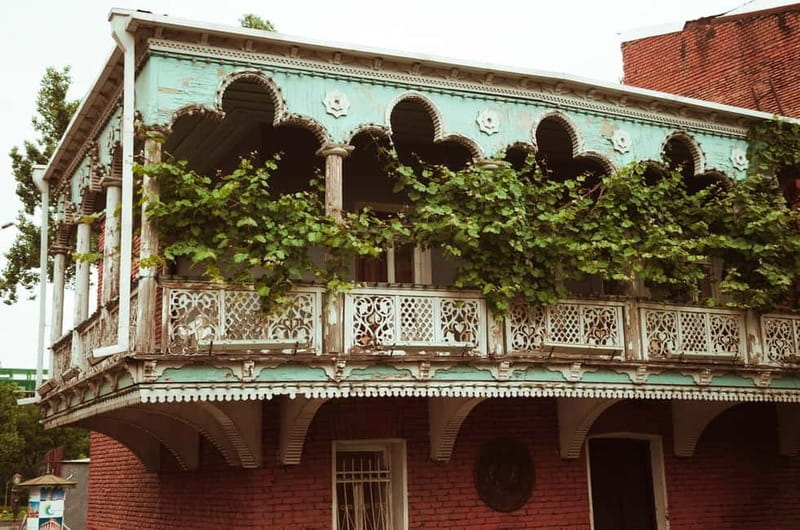
I would recommend this tour to first-time visitors who want more than the usual old-center walk. It suits solo visitors who want friendly company, couples who enjoy cafes and street art, and families who need a flexible route with transport at the end.
It is also a good fit if you care about food, coffee, bars, art, architecture, or local neighborhoods. You will get the most from it if you ask questions and save places on your map as you go. The tour is particularly useful for building a plan for the rest of your stay.
I would choose another experience if your main goal is a long museum visit, a detailed architectural lecture, or a sit-down meal included in the price. The number of stops can feel crowded, especially in the two-hour version, and several venues are viewed only from outside.
Cancellation is flexible up to 24 hours before departure for a full refund, and you can reserve now and pay later. Those terms make it easier to place the tour early in your schedule without locking yourself into a rigid plan.
FAQ
How long does the Tbilisi tour last?
The experience lasts between two and four hours. You should check the available start times and choose the longer option if you want more time for walking, photographs, conversation, and cafe or market stops.
What languages are available?
The tour is available in English and Russian.
Is hotel pickup included?
Yes. Hotel pickup and hotel drop-off are included. You should wait in your hotel lobby five minutes before the scheduled pickup time, and drivers will wait no longer than five minutes.
Is this a private tour?
Private and small-group options are available. The exact format depends on the option you select when booking.
What does the price include?
The $36 price includes hotel pickup and drop-off, a bottle of water, local snacks, one cup of coffee, and a professional English-language guide.
Are food and drinks included?
Only the listed local snack and cup of coffee are included. Other food and drinks cost extra.
What should I bring?
Bring comfortable shoes because the experience includes substantial walking and some stairs. Luggage and large bags are not allowed.
Should you book this experience?
Book it if you want Tbilisi explained through its cafes, side streets, art, parks, markets, and everyday meeting places. At $36, it is a good-value orientation, especially with pickup, return transport, coffee, snacks, and a guide who can shape the route around your interests.
My practical advice is to choose three to four hours, take it early in your stay, and keep your afternoon open for one or two places you discover along the way. If you prefer slow museum visits or a tightly focused historic walk, this wide-ranging route may feel too quick. For a first look at contemporary Tbilisi with plenty of ideas for later, it is an easy choice.
Just added in Tbilisi
- Wine Tasting feel the Difference of Qvevri or Classical Wine★ 4.4 · 10 reviews
- From Tbilisi: Kakheti and Kazbegi 2-Day 4X4 Jeep Tour pack★ 5.0 · 6 reviews
- Walking Tour in Old Tbilisi – Group Tour★ 4.5 · 8 reviews
- Uforgatable Kakheti Tour with wine tasting – in Georgia★ 4.9 · 5 reviews
- From Tbilisi: Uplistsikhe Caves and Mtskheta Town Day tour★ 5.0 · 2 reviews
- Tbilisi: Vintage Fashion and Secondhand Thrifting Tour★ 5.0 · 11 reviews
- Tbilisi Airport to Gudauri, Bakuriani, Batumi, Tbilisi★ 5.0 · 3 reviews
- Private Adorable City Tour of Tbilisi★ 5.0 · 3 reviews
Guided, compared.
Borjomi, Rabati & Vardzia Adventure Guided Tour
Read our review →