Reviewed · TBILISI TOURS
Multi-ethnic Georgia – Yezidis
Tbilisi’s lesser-known story matters. This four-hour experience introduces you to the Yezidi community through local history, family traditions, food, language, and a visit to the Temple of the Yezidis of Georgia. I like the small group limit of seven, which should make the family visit and conversation feel more personal, and I like that the tour moves beyond monuments to explain how an ethnic and religious community adapted to life in Tbilisi.
The chance to have tea or coffee in a Yezidi home is another strong point. You also receive bottled water and a guide for the full experience. The main consideration is the $110 price, which is a serious outlay for four hours, especially since dinner and alcoholic drinks are not included.
In This Review
- Key things to know before booking
- Why Yezidi culture adds a new layer to Tbilisi
- Starting at Freedom Square at noon
- Learning who the Yezidis are
- The old Yezidi quarters of Tbilisi
- Tea, food, and a Yezidi family visit
- Preserving identity in modern Georgia
- Visiting the Temple of the Yezidis of Georgia
- Is $110 a fair price for four hours?
- Who will enjoy this experience most?
- Practical details for planning your afternoon
- Should you book Multi-ethnic Georgia: Yezidis?
- FAQ
- Where does the Yezidi tour begin?
- What time does the experience start?
- How long does the tour last?
- Where does the tour finish?
- What is included in the tour price?
- Is dinner included?
- How many people can join the tour?
- Can I cancel for a full refund?
Key things to know before booking
- A family visit is the heart of the experience: You can learn about Yezidi customs and taste national dishes in a home setting.
- The group is limited to seven people: That is useful for a subject that depends on questions and conversation.
- The tour covers language and script: You will hear how Yezidis speak and learn about their written tradition.
- The Temple of the Yezidis of Georgia is included: Religious subjects are discussed near the end of the tour.
- The focus is on migration and survival: The tour links Yezidi life in Georgia with migration from historic lands during the late Ottoman period.
- It begins and ends at Freedom Square: The meeting time is noon, and the full activity lasts about four hours.
Why Yezidi culture adds a new layer to Tbilisi
Tbilisi is often described as one of the South Caucasus’s most multi-ethnic and multi-confessional capitals. That description can sound like a line from a guidebook until you look at the communities that helped shape the city.
This tour focuses on the Yezidis, an ethno-religious community whose roots are connected to the historic lands of northern Mesopotamia. A major migration brought many Yezidis to the South Caucasus at the turn of the 19th and 20th centuries. Armenia and Georgia became important homes, particularly as violence and ethnic cleansing increased in the final years of the Ottoman Empire.
The subject requires care. Yezidism is not simply another branch of one of the main world religions, and Yezidis have often faced persecution because of their beliefs. The tour addresses the community’s long history of suffering, including the claim made by many modern sources that Yezidis have endured 74 acts of genocide.
You will also hear an origin story linking the Yezidis to the Sumerians, often described as the first civilization on earth. That idea is presented as a view held by many modern researchers, not as a simple point with no debate. A good guide should help you separate community tradition, historical interpretation, and established fact.
That careful distinction is one reason this experience can add value to a stay in Tbilisi. You are not only looking at old buildings. You are learning how people maintained an identity while adapting to a changing city and a difficult modern era.
More things to do in Tbilisi:
- Tbilisi: Day Trip to Kazbegi, Gudauri, Gergeti, and Ananuri
★ 4.9 · 3,203 reviews - Day Trip to Kakheti Wine Region Including 9 Wine Tastings
★ 5.0 · 2,774 reviews - Highlights of Caucasus Mountains-Jinvali,Ananuri,Gudauri,Kazbegi(Group tour)
★ 5.0 · 2,682 reviews
Starting at Freedom Square at noon
The experience begins at Freedom Square at 12:00 pm and returns there at the end. This is a practical meeting point in central Tbilisi, near public transportation and within easy reach of the city’s main historic areas.
The start time gives you a relaxed morning. You can have breakfast, visit an early-opening museum, or simply get your bearings before meeting the guide. Since the experience lasts about four hours, you should have much of the afternoon left for other plans.
The information does not provide a detailed walking route or say how much transport is used between locations. I would ask about this before booking if mobility is a concern or if you want to plan another timed activity later in the day.
The group limit of seven is important. A smaller group makes it easier to ask about religious customs, family life, or sensitive historical subjects without trying to speak over a large crowd. It also matters during a home visit, where a group of thirty would feel very different from a handful of people.
The tour is offered by Georgian Promenade. Valeri and his team are associated with the experience, and one previous booking described their professionalism and responsibility in very positive terms. That praise is useful because this is not a standard sightseeing route. Good organization and respectful conduct matter a great deal when visiting a living community.
Learning who the Yezidis are
The first part of the experience explains Yezidi identity. You will learn what the term Yezidi means, how the community’s religion differs from the faiths most familiar to visitors, and why the group is often described as both ethnic and religious.
The guide is also expected to discuss language and script. This is more useful than it may sound. Language is one of the clearest ways a community keeps its identity, especially after migration. You will learn what language Yezidis speak and how their written tradition works.
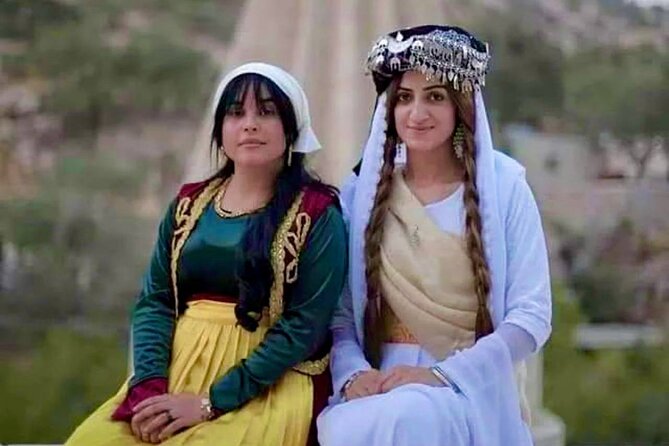
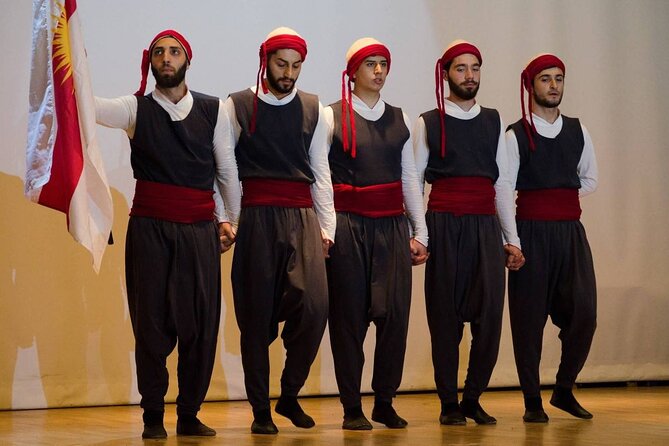
The tour also looks at national clothing and folklore. Clothing can show how a group expresses belonging, while folklore carries memory through songs, stories, customs, and performance. These subjects help keep the discussion human. Instead of hearing only about persecution and migration, you see how culture continues through ordinary forms of expression.
I appreciate that the tour does not appear to treat the Yezidis as a museum subject. The focus is on a living community in modern Georgia. That means the conversation can include both old traditions and the practical question of how people preserve them today.
The exact depth will depend on the guide and your questions. With only four hours, you should not expect a university course on Yezidi theology, ancient Mesopotamia, and modern politics. You should expect a guided introduction with several personal and cultural points of contact.
The old Yezidi quarters of Tbilisi
A central part of the tour looks at where Yezidis lived in Tbilisi during the 19th and 20th centuries. You will hear about the districts and quarters where they settled, the conditions they faced, and the work that supported their families.
This section gives the migration story a physical setting. Instead of imagining a community only as a name on a map, you learn how people made homes in the city. Settlement patterns can reveal much about social networks, economic limits, and the ways newcomers found support.
The tour also covers the main occupations of Yezidis in Tbilisi. The provided details do not identify a specific trade, so you should expect the guide to explain this part rather than arrive with a fixed list of jobs. Ask how work changed between the 19th and 20th centuries, and how life in Georgia differed from life in the community’s historic lands.
Do not expect every former Yezidi quarter to look preserved or clearly marked. Urban districts change. Buildings are replaced, communities move, and the old identity of a neighborhood can fade from view. That is not a weakness of the subject. It is part of what makes this discussion valuable.
The experience works best when you pay attention to the contrast between visible Tbilisi and the less visible stories beneath it. You may pass familiar streets while hearing about residents whose lives are rarely included in a standard city tour.
A completely different kind of day:
- From Tbilisi: Kakheti Wine Region Tour with 9 Wine Tastings
★ 4.9 · 2,541 reviews - Tbilisi: Mtskheta, Jvari, Gori and Uplistsikhe Day Tour
★ 4.9 · 2,396 reviews - From Tbilisi to Kazbegi, Ananuri, Gudauri & Gergeti
★ 4.9 · 2,278 reviews - Tbilisi: Kakheti Wine Region Tour with 10 Wine Tastings
★ 5.0 · 2,160 reviews
Tea, food, and a Yezidi family visit

The most personal part of the experience is a visit to a Yezidi family. You will be offered tea or coffee, and the discussion includes centuries-old traditions and national dishes.
This is where the tour can become more than a lecture. Food offers a direct way to discuss family customs, hospitality, religious practice, and memory. You may hear why certain dishes matter, when they are served, or how recipes change after migration. The supplied details do not name the dishes, so do not book this expecting a particular menu.
Dinner is not included. The family visit includes tea or coffee and discussion of national food traditions, but it should not be treated as a full meal. If you need lunch, eat before the noon meeting or plan food afterward.
A home visit also calls for good manners. Dress respectfully, follow the guide’s lead, and ask before taking photographs. The information does not specify a photography policy, so it is wise to check with the guide and family rather than assume.
The group limit matters most here. A small party can make conversation easier and reduce the feeling that a family is performing for a crowd. You should still remember that this is someone’s home, not a staged restaurant show. Listen carefully, ask thoughtful questions, and allow the hosts to set the tone.
For many people, this will be the strongest part of the day. The temple and historical explanation provide structure, but a family visit gives you a direct sense of how culture continues in everyday life.
Preserving identity in modern Georgia
The tour asks a useful question: How did the Yezidis preserve their language, culture, and religion while living through migration, persecution, and political change?
The answer is unlikely to be one single tradition. Identity can survive through family teaching, community gatherings, language, food, clothing, religious practice, and stories about the past. The guide is expected to connect these elements with the modern lives of Yezidis in Georgia.
The experience also touches on famous Yezidis in the post-Soviet space. The information does not name them, which leaves room for the guide to choose examples. This part may appeal to you if you want to see how Yezidi identity appears in public life, not only in family settings.
Georgia’s role is another important subject. The tour presents Georgia as a tolerant home where Yezidis and other ethnic communities can live safely and, in many cases, take part fully in civic life. That does not erase the difficult parts of the past, but it helps explain why Georgia became an important destination for Yezidi migration.
This discussion is especially useful for anyone interested in minority communities, migration, or the way national identity works in a diverse city. It also gives you a more careful view of Tbilisi. The city’s character comes not only from its churches, baths, balconies, and fortifications, but also from the communities that built lives alongside one another.
Visiting the Temple of the Yezidis of Georgia
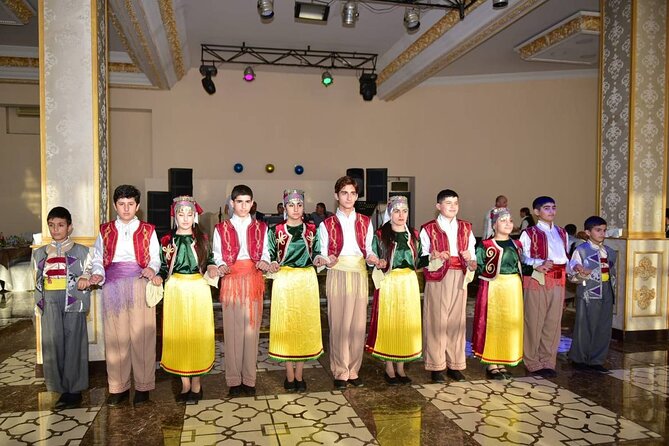
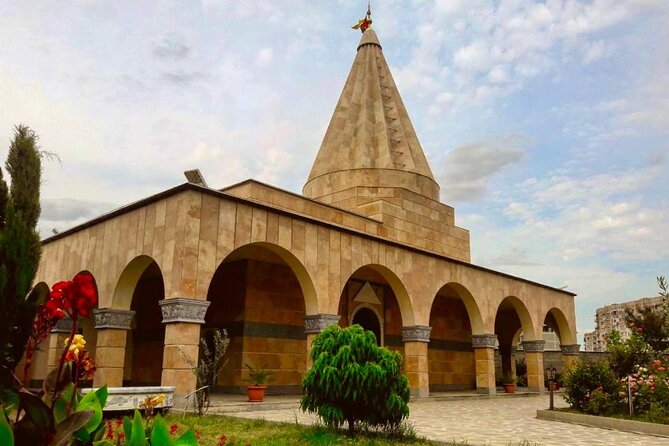
Near the end of the experience, you visit the Temple of the Yezidis of Georgia in Tbilisi with the guide. The visit includes an explanation of key religious subjects connected with Yezidism.
This is an important closing stop because it gives a physical place to the religious ideas discussed earlier. You will have a chance to connect the community’s beliefs with a present-day place of worship rather than hearing about religion only in the abstract.
The description does not provide details about the temple’s architecture, opening rules, or whether a religious leader will be present. Do not assume that a ceremony or private meeting is part of the visit. The confirmed element is a guided visit with discussion of major religious topics.
As with the family stop, respectful behavior matters. Follow instructions about clothing, photography, and where you may stand. If you have questions about beliefs or customs, ask politely and let the guide explain what is appropriate.
Ending at the temple gives the experience a clear shape. It begins with migration and settlement, moves into family and cultural life, and finishes with religion and continuity. That progression helps you understand Yezidism as a living faith rather than only a story of persecution.
Is $110 a fair price for four hours?
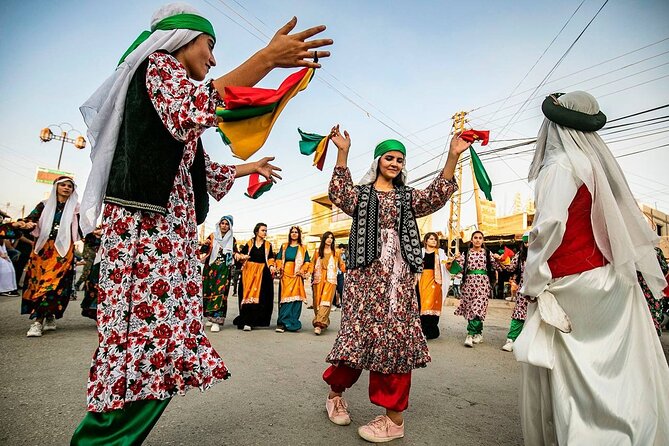
At $110 per person, this is not a budget city walk. The price needs to be judged by what you value.
You are paying for a small group of no more than seven, a guide throughout the activity, a family visit, tea or coffee, bottled water, historical explanation, cultural discussion, and entrance to a Yezidi temple visit. Those elements make the experience more specialized than a general Tbilisi sightseeing tour.
The price is easier to justify if you have already seen the major landmarks and want a focused cultural subject. It is also a better fit if you value personal contact and expert interpretation more than the number of sights covered.
The value is less clear if you want a broad overview of Tbilisi, a substantial meal, or a full day of sightseeing. Dinner and alcoholic drinks are not included, and the activity lasts only about four hours. You should compare it with your overall city budget before booking.
Still, a small community visit can be difficult to arrange independently. The guide provides access, context, and a respectful structure. For someone with a serious interest in Yezidi culture, that can make the cost reasonable.
Who will enjoy this experience most?
I would recommend this tour to you if you like cultural history, minority communities, migration stories, and direct conversation with local people. It is also a good choice if you have already covered Tbilisi’s best-known sights and want to understand the city through a less familiar community.
It should suit people who ask questions and listen well. The subject includes religion, persecution, identity, and cultural survival. You will get more from it if you arrive curious rather than expecting a quick photo stop.
The experience may be less suitable if you want a fast-paced sightseeing tour with many landmarks. It also may not fit if you are looking for a full lunch or dinner. The family provides tea or coffee, but the tour does not include dinner.
The activity allows service animals, is near public transportation, and states that most people can participate. Since the route details are limited, ask about walking, transport, and access arrangements if you have specific needs.
Practical details for planning your afternoon
The mobile ticket makes it easy to keep the booking on your phone. Confirmation is provided at the time of booking, and the activity begins at Freedom Square at noon.
Bring water if you prefer more than the included bottle, and plan your meals around the four-hour schedule. Since the experience returns to Freedom Square, you can continue exploring central Tbilisi afterward without arranging a separate return transfer.
The cancellation policy is friendly but strict about timing. You can cancel for a full refund up to 24 hours before the start time. Cancellations or changes made less than 24 hours before the experience are not accepted for a refund, and the cut-off follows local time.
Should you book Multi-ethnic Georgia: Yezidis?
Book it if you want a focused, respectful look at a community that many standard Tbilisi tours overlook. The family visit, small group, and temple stop give the experience substance, while the discussion of language, migration, food, and religion helps connect the pieces.
Think twice if $110 feels high for half a day, or if you want a full meal and a larger number of city sights. This is not a bargain tour. It is a specialized cultural experience, and its value depends on your interest in the subject.
For curious visitors who want to understand how Tbilisi became such a diverse city, I think the combination of personal hospitality and historical context makes this a worthwhile choice.
FAQ
Where does the Yezidi tour begin?
The tour begins at Freedom Square in Tbilisi, Georgia.
What time does the experience start?
The start time is 12:00 pm.
How long does the tour last?
The experience lasts approximately four hours.
Where does the tour finish?
The activity ends back at Freedom Square, the starting meeting point.
What is included in the tour price?
The price includes a guide throughout the experience, bottled water for each participant, and tea or coffee in a Yezidi family home.
Is dinner included?
No. Dinner and alcoholic drinks are not included.
How many people can join the tour?
The activity has a maximum group size of seven participants.
Can I cancel for a full refund?
Yes. You can cancel at least 24 hours before the start time for a full refund. Cancellations or changes made less than 24 hours before the start time are not accepted for a refund.
Just added in Tbilisi
- Wine Tasting feel the Difference of Qvevri or Classical Wine★ 4.4 · 10 reviews
- From Tbilisi: Kakheti and Kazbegi 2-Day 4X4 Jeep Tour pack★ 5.0 · 6 reviews
- Walking Tour in Old Tbilisi – Group Tour★ 4.5 · 8 reviews
- Uforgatable Kakheti Tour with wine tasting – in Georgia★ 4.9 · 5 reviews
- From Tbilisi: Uplistsikhe Caves and Mtskheta Town Day tour★ 5.0 · 2 reviews
- Tbilisi: Vintage Fashion and Secondhand Thrifting Tour★ 5.0 · 11 reviews
- Tbilisi Airport to Gudauri, Bakuriani, Batumi, Tbilisi★ 5.0 · 3 reviews
- Private Adorable City Tour of Tbilisi★ 5.0 · 3 reviews
Tbilisi Tours, compared.
Day Trip to Kazbegi, Gudauri, Gergeti, and Ananuri
Read our review →
Day Trip to Kakheti Wine Region Including 9 Wine Tastings
Read our review →
Highlights of Caucasus Mountains-Jinvali,Ananuri,Gudauri,Kazbegi(Group tour)
Read our review →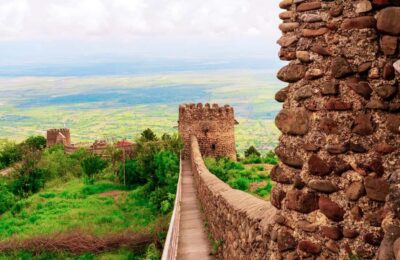
Kakheti Wine Region Tour with 9 Wine Tastings
Read our review →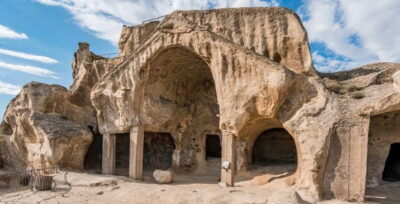
Mtskheta, Jvari, Gori and Uplistsikhe Day Tour
Read our review →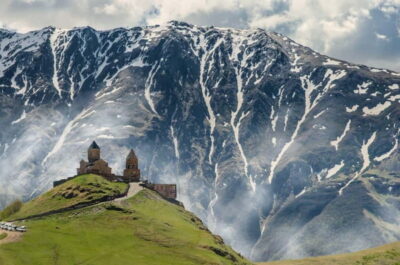
From Tbilisi to Kazbegi, Ananuri, Gudauri & Gergeti
Read our review →
Kakheti Wine Region Tour with 10 Wine Tastings
Read our review →