
Reviewed · KUTAISI TOURS
Kutaisi: Bagrati & Motsameta Religious Heritage Tour
Three churches, one compact Kutaisi outing. This small-group tour links Motsameta, Bagrati Cathedral, and Gelati, giving you a quick look at Georgia’s religious art, royal past, and hilltop views without the bother of arranging separate transport. I like the low price and the chance to hear local stories from guides such as Eva, Michael, and Teona. The main catch is Gelati’s uncertain opening schedule, since restoration work can limit access.
I also like the small maximum group of seven. That is a useful size for asking questions, moving at a comfortable pace, and avoiding the feel of a coach tour. Still, you should allow for a route of two to four hours, and you may visit another Kutaisi church if Gelati is closed on your date.
In This Review
- Key points at a glance
- Why these three churches make a useful Kutaisi introduction
- Motsameta Monastery and its river views
- Bagrati Cathedral above Kutaisi
- Gelati Monastery and the important opening warning
- What the guide adds to the churches
- Timing, transport, and meeting in Kutaisi
- Is $19.22 good value?
- Who should book this Kutaisi tour?
- Booking advice and cancellation terms
- Final verdict: should you book it?
- FAQ
- How long does the Kutaisi religious heritage tour last?
- How much does the tour cost?
- Is Gelati Monastery always open during the tour?
- Where does the tour start and finish?
- How many people can join the tour?
- Can I cancel for a full refund?
Key points at a glance
- Motsameta offers the strongest setting: The monastery sits among greenery with views toward the river and surrounding hills.
- Bagrati gives you Kutaisi from above: The cathedral visit is brief, but the city panorama makes it worthwhile.
- Gelati requires schedule checking: Restoration work means it is open only on Sundays and on some occasional days.
- Guiding is a major strength: Eva is lively and generous with cultural detail, Michael explains the history carefully, and Teona has handled alternative stops well.
- The group stays small: A maximum of seven people makes this more personal than a standard sightseeing bus.
- The price is easy to justify: At $19.22 per person, transport, guiding, and three religious sites offer good value for a half-day outing.
Why these three churches make a useful Kutaisi introduction
Kutaisi is one of Georgia’s oldest important cities, and its religious buildings help explain why the region matters. This tour does not try to cover every church or fill your day with lectures. Instead, it links three places with different settings and moods: one near a river gorge, one above the city, and one tied to Georgia’s medieval royal and religious life.
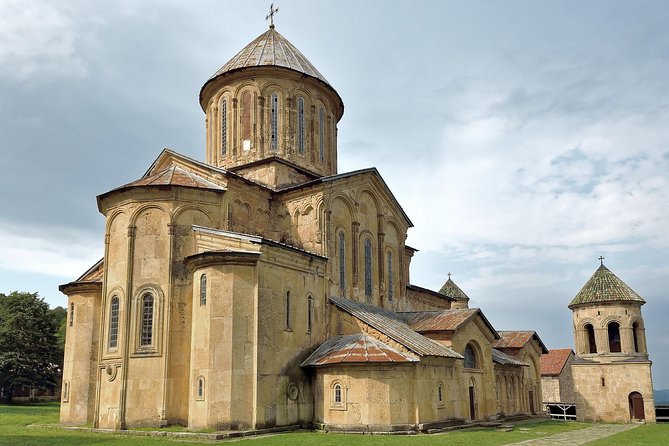
That variety is the real appeal. You are not looking at three nearly identical buildings. Motsameta gives you a dramatic natural setting, Bagrati gives you a city view and a major Kutaisi landmark, while Gelati offers a larger monastery complex with more time for historical explanation.
The tour is offered in English, and the guides appear to be an important part of the experience. Eva is described as chatty and full of cultural information. Michael received praise for explaining both the monasteries and places passed along the road. Teona handled a closed Gelati with flexibility, showing two churches and an old hospital instead, including a fine view from the hospital site.
That matters in Georgia, where church history can be complex and some details remain uncertain. A good guide will not pretend to know every answer. One particularly appealing account describes Eva admitting that she still learns something new at these sites and asking local women for more information about symbols and icons. That kind of honest, curious guiding is more useful than a rehearsed speech.
More History Tours in Kutaisi:
- KUTAISI: City Tour, Historical Churches, Plus Tskaltubo
★ 5.0 · 9 reviews - Kutaisi: Historic Walking Tour with Guide, 3 Hours
★ 5.0 · 5 reviews - Kutaisi Bike Tour: City Center, History & Riverside Paths
★ 5.0 · 1 review
Motsameta Monastery and its river views
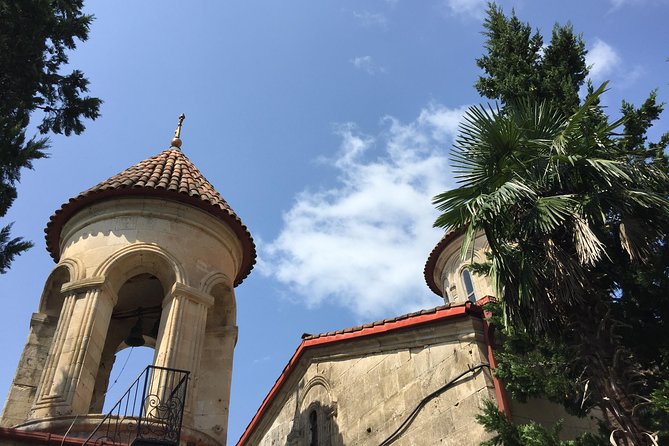
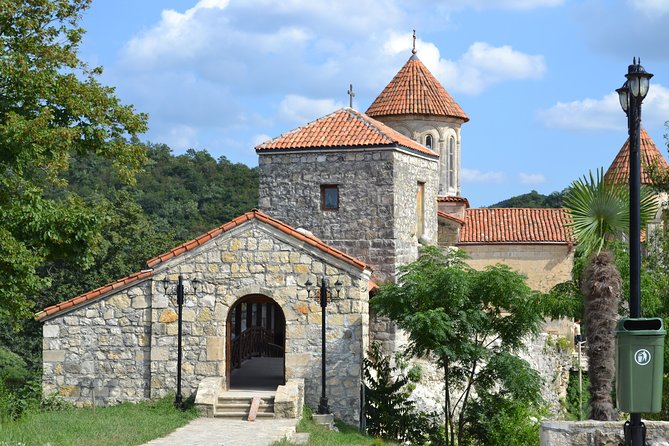
Motsameta is scheduled for about an hour, and that is a sensible amount of time. The monastery is an important religious site in the Imereti region and a symbol of Georgian faith. Its setting adds much of the impact: greenery, hills, and views toward the river create a strong sense of place.
I would pay attention to the approach as much as the building itself. The route provides some of the best scenery of the outing, and the monastery feels separate from city life. You get a chance to slow down, look around, and hear why the site matters rather than simply taking a quick photograph and leaving.
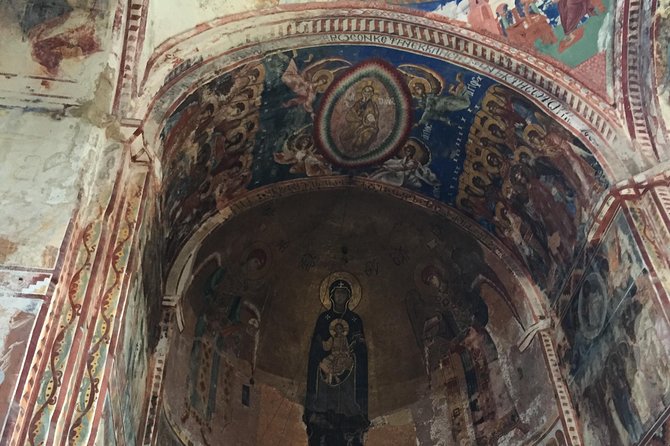
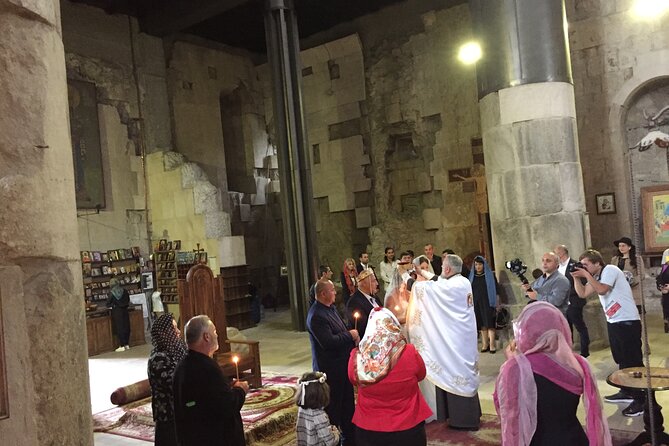
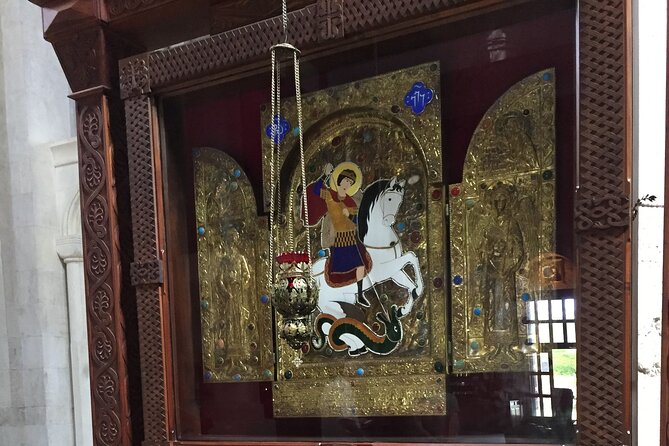
Inside, your guide can help explain the religious meaning of the space and the role of the monastery in Georgian culture. Details about icons, symbols, and local tradition are more useful when someone explains what you are seeing. Without that context, a visitor may notice beautiful decoration but miss the ideas behind it.
The one practical point is that this is a religious site, not just a viewpoint. Dress and behavior should be respectful, and you should expect the visit to focus on worship, history, and atmosphere rather than entertainment. The admission ticket is free, so the value here comes from the transport and explanation that make the stop easy to reach.
Bagrati Cathedral above Kutaisi
Bagrati Cathedral receives about 30 minutes, making it the shortest planned stop. That may sound brief, but the visit has a clear purpose: see one of Kutaisi’s emblematic churches and enjoy the panorama over the city.
The cathedral works especially well as a final city-facing stop after the countryside monasteries. Motsameta gives you wooded views and open countryside. Bagrati turns your attention back toward Kutaisi, helping you understand the city’s position and scale.
I would not expect a long, detailed visit inside the cathedral at this stage. Thirty minutes is enough for a look around, some explanation from the guide, and time to enjoy the view. If you like photography, this is likely one of the easiest places to appreciate the contrast between Kutaisi’s urban area and the hills beyond it.
The short stop also makes the tour suitable for people who want a cultural outing without spending an entire day inside churches. You get a meaningful introduction, but the schedule keeps moving. Admission is free, as it is at the other listed stops.
Gelati Monastery and the important opening warning
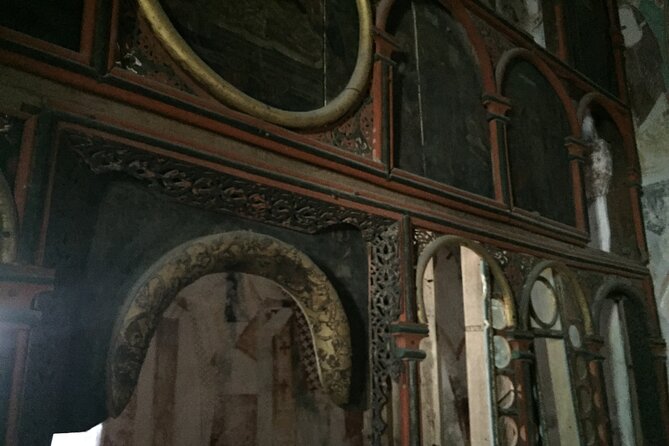
Gelati is the stop that requires the most planning. The complex is under construction and is open only on Sundays and some occasional days. If it is closed, the tour visits another church in Kutaisi instead.
This is not a minor footnote. If Gelati is the main reason you want to book, check the operating situation before paying. The tour still offers value when the substitution applies, but it will not be the same experience as seeing the full complex.
When Gelati is open, the planned visit lasts about an hour. That gives your guide room to explain the site, point out artistic and religious details, and answer questions. The stop is especially useful for anyone interested in Georgia’s medieval religious centers and the connection between faith, royal power, and learning.
When it is closed, the guide’s flexibility becomes important. Teona reportedly showed two churches and an old hospital on one such visit, with a good view from the hospital. That sort of adjustment can turn a disappointing closure into a worthwhile alternative, but you should still book with realistic expectations.
The admission ticket is free. The main issue is not cost, but access. Gelati’s restoration schedule can change the content of your tour, so ask Megobari Tours Georgia about the planned route if the monastery is a priority.
More things to do in Kutaisi:
- From Tbilisi: Kutaisi Canyons and Caves Full Day Tour
★ 4.8 · 1,051 reviews - Kutaisi: Martvili & Okatse Canyons & Prometheus Cave Tour
★ 4.9 · 829 reviews - From Kutaisi: Guided Tour of Okatse, Martvili, & Prometheus
★ 4.8 · 520 reviews - Kutaisi Canyons and Caves from Tbilisi Full Day Tour
★ 5.0 · 448 reviews
What the guide adds to the churches
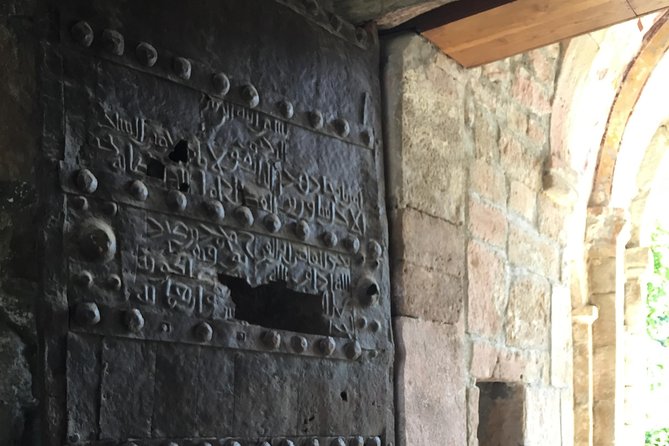
The strongest praise for this experience centers on the guides. Eva is described as warm, talkative, and full of cultural detail. Michael is praised for explaining the history of each site and the places along the road. Teona is noted for adapting the visit when restoration work closed Gelati.
Those details suggest a tour where you get more than a driver dropping you at three locations. That distinction matters in Kutaisi. Religious buildings can look impressive at first glance, but their meaning is harder to grasp without someone to explain the setting, traditions, and historical connections.
The guiding style may vary by person. Eva sounds especially conversational, while Michael’s approach appears more structured and explanatory. Teona’s handling of the closed monastery suggests practical local awareness. If you prefer a silent ride and independent sightseeing, you may find the commentary more than you need. If you enjoy asking questions, it is likely the best part of the tour.
The small group helps here. With no more than seven people, you are less likely to lose the guide’s voice or feel anonymous. You can ask about a fresco, a symbol, or a building you pass on the road. One account also indicates that the guide did not rush a visitor using crutches, which points to a considerate pace when circumstances require it.
Timing, transport, and meeting in Kutaisi
The tour lasts about two to four hours, with roughly one hour at Motsameta, 30 minutes at Bagrati, and one hour at Gelati when the full route operates. The total time can vary because of the substitution plan, road conditions, and the order of the visits.
Pickup is available anywhere in Kutaisi, while the listed meeting point is at the Colchis Fountain, Kutaisi 4600. The activity ends back at the meeting point. Confirm the exact pickup arrangement when booking so you know where to wait and where the outing will finish.
This arrangement is useful if you are staying in central Kutaisi and do not want to arrange a taxi to each monastery. It also removes the need to study local routes or coordinate several separate rides. The mobile ticket makes the booking simple, and confirmation is provided at the time of booking.
The small group limit of seven is another practical advantage. You get shared transport and a guide, but not the crowds associated with a large bus. The tour is also near public transportation, although the supplied details do not specify a particular bus route or walking connection.
Most people can take part, and service animals are allowed. If you have mobility concerns, mention them when arranging the tour. A visitor using crutches was able to take the outing at an unhurried pace, but the exact ease of each stop is not specified.
Is $19.22 good value?
At $19.22 per person, this is a strong-value way to see several important religious sites around Kutaisi. The price includes a guide and the transport between stops, while admission to each listed location is free. Even if you visited independently, arranging transport to three places could reduce the savings quickly.
The value is best for someone who wants context. If you only want to photograph the buildings, a taxi and self-guided visit might offer more control. But if you want explanations about the churches, stories about Kutaisi, and help adapting the route when Gelati is closed, the tour price is modest.
The short duration also keeps the commitment low. You can fit it into a Kutaisi stay without surrendering a full day. That makes it useful for a first visit, a stop between other plans, or a morning or afternoon when you want to see more than the city center.
The tradeoff is fixed timing. You cannot linger for hours at Motsameta or Bagrati, and you may have less freedom to rearrange the route. Still, a two to four-hour schedule is a fair exchange for covering three sites with a local guide.
Who should book this Kutaisi tour?
I would recommend it to first-time visitors who want a clear introduction to Kutaisi and the surrounding religious sites. It suits couples, families, solo visitors, and small groups who value easy transport and a human guide rather than a large organized excursion.
It is also a good fit if you have limited time. Three sites in a few hours gives you a useful overview, and the mix of city and countryside keeps the outing varied. People interested in church art, Georgian culture, local stories, and scenic viewpoints should find plenty to enjoy.
You may want a different plan if Gelati is essential and you are visiting on a day when it is closed. In that case, confirm the opening date first. You should also look elsewhere if you prefer to explore at your own speed or want long visits focused on photography.
The tour is not designed as a full architectural study. It offers a well-paced introduction, not an academic examination of every building, inscription, or fresco. That is a strength for most people, but an important limit for specialists.
Booking advice and cancellation terms
This experience is often booked about 10 days ahead, but one booking was made the evening before and still accommodated. That suggests some flexibility, though I would not depend on last-minute availability during a busy period.
Free cancellation is available if you cancel at least 24 hours before the start time. Changes or cancellations made less than 24 hours ahead are not accepted for a refund, and the cut-off uses local time. Keep the Gelati opening issue in mind before that deadline passes.
Final verdict: should you book it?
Book this tour if you want an affordable, compact way to see Motsameta, Bagrati, and, when open, Gelati with an English-speaking guide. The best features are the small group, the scenic route, the capable guides, and the very reasonable $19.22 price.
Before booking, check Gelati’s current access. If you accept that another Kutaisi church may replace it, this is an easy recommendation for a short cultural outing. If you need guaranteed entry to Gelati, wait for a confirmed Sunday or occasional opening day and then reserve accordingly.
FAQ
How long does the Kutaisi religious heritage tour last?
The tour lasts approximately two to four hours. The planned visits include about one hour at Motsameta, 30 minutes at Bagrati Cathedral, and one hour at Gelati Monastery.
How much does the tour cost?
The listed price is $19.22 per person.
Is Gelati Monastery always open during the tour?
No. Gelati is currently under construction and is open only on Sundays and some occasional days. When it is closed, the tour visits another church in Kutaisi.
Where does the tour start and finish?
The listed meeting point is the Megobari Tours meeting point at the Colchis Fountain in Kutaisi. The activity ends back at the meeting point, and pickup is available anywhere in Kutaisi.
How many people can join the tour?
The activity has a maximum of seven participants.
Can I cancel for a full refund?
Yes, if you cancel at least 24 hours before the experience start time. Cancellations or changes made less than 24 hours before the start time are not accepted for a refund.
Just added in Kutaisi
- Wine & Dine group tour from Kutaisi★ 4.6 · 3 reviews
- Wild Caving Experience in Melouri Cave Near Kutaisi★ 5.0 · 3 reviews
- Private tour from KUTAISI: Bagrati, Gelati and Motsameta★ 5.0 · 5 reviews
- Private Car – From Tbilisi, Kutaisi, Martvili Canyons, caves★ 5.0 · 1 review
- Full Day Tour To Kutaisi, Prometheus Caves, Bagrati and Gelati★ 5.0 · 1 review
- Tour to Kutaisi from Tbilisi (Sataplia Reserve, Bagrati, Gelati, Motsameta)★ 5.0 · 2 reviews
- Kutaisi, Martvili Canyon & Prometheus Cave Tour from Tbilisi★ 5.0 · 3 reviews
- 2-Day Kutaisi Tour: Caves, Canyons & Soviet Sanatoriums★ 5.0 · 12 reviews
Kutaisi Tours, compared.

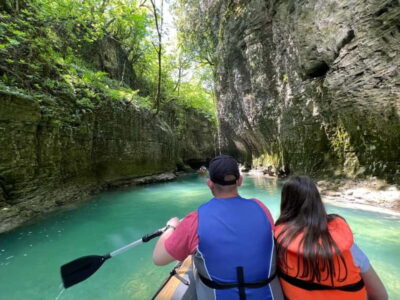
Martvili & Okatse Canyons & Prometheus Cave Tour
Read our review →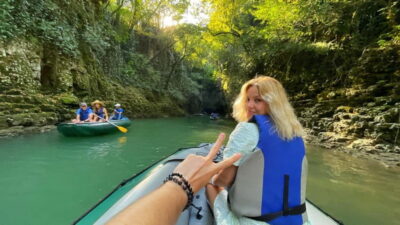
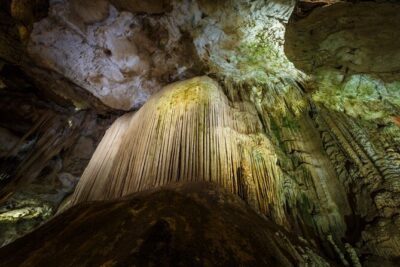
Kutaisi Canyons and Caves from Tbilisi Full Day Tour
Read our review →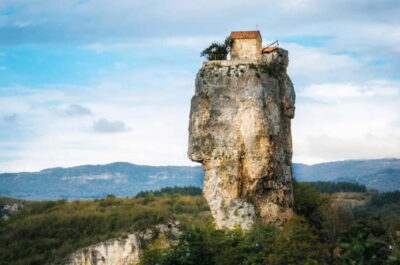
CANYONS & CAVE Tour from Kutaisi – Okatse, Martvili & Prometheus
Read our review →

Prometheus Cave, Martvili & Okatse Canyon from Kutaisi
Read our review →Browse the lists this tour appears in