Reviewed · TBILISI TOURS
Hidden Tbilisi: A Journey Through Modernism & Brutalism
Concrete can tell strange stories. Hidden Tbilisi takes you far beyond the Old Town to Soviet-era buildings, cemeteries, museums, and city-planning experiments that most visitors never see. I like the private format, which keeps the six-hour outing focused, and I like the way guides such as Alex, Khato, and Khatuna connect design with everyday Georgian life. The main drawback is that some sites may be inaccessible, and the Wedding Palace can only be viewed from outside.
I also appreciate that this is not a quick photo stop from a passing car. You spend time looking at form, purpose, politics, and memory. Still, this is a demanding outing: you need comfortable shoes, clothes that can handle dirt, and enough interest in architecture to enjoy long discussions about concrete, planning, and Soviet ambition.
In This Review
- Key features of Hidden Tbilisi
- Why this Tbilisi tour is different from ordinary sightseeing
- Starting from your Tbilisi address
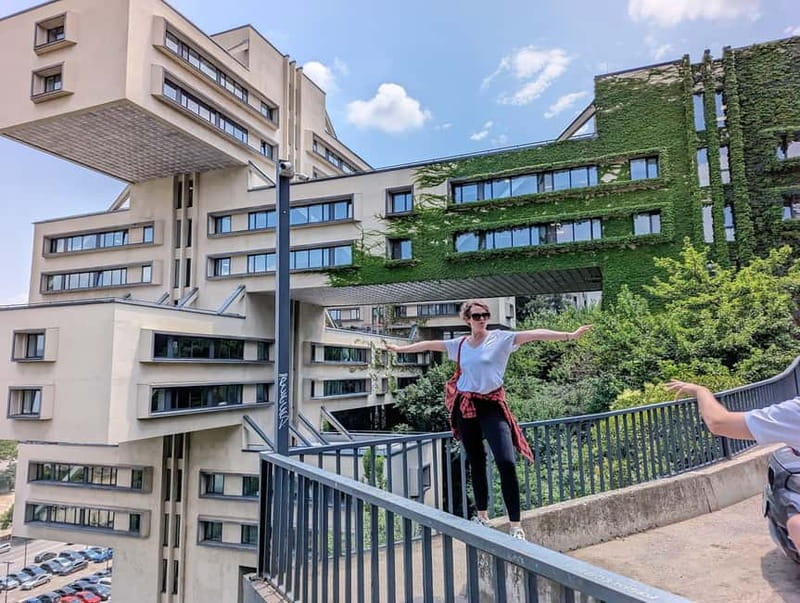
- The Skybridge and the idea of connection
- The Wedding Palace, viewed from outside
- Crematorium architecture and a cemetery setting
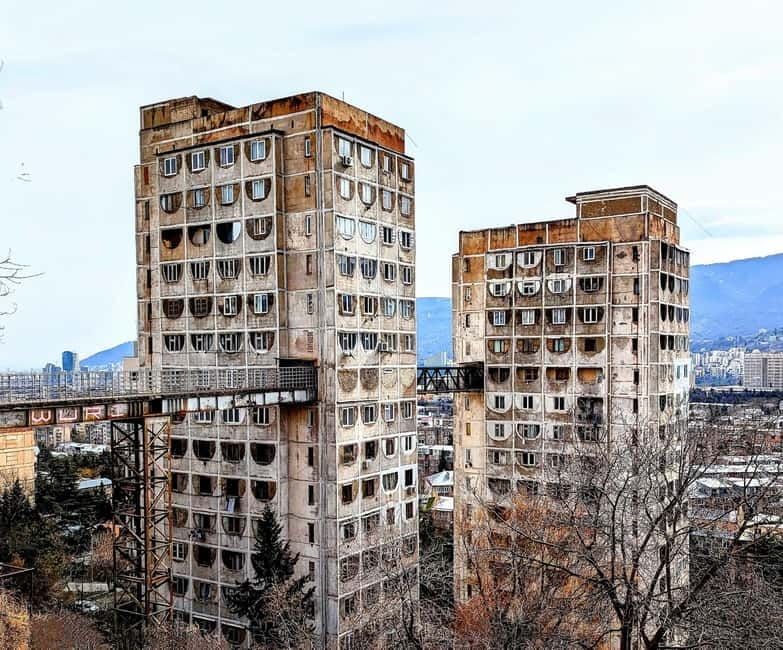
- The Ministry of Roads and Soviet futurism
- The archaeological museum and its mysterious dungeon
- What the guide adds to the buildings
- Comfort, access, and the practical trade-offs
- Who will get the most from six hours of concrete?
- Should you book Hidden Tbilisi?
- FAQ
- How long does Hidden Tbilisi last?
- What is included in the price?
- Is this a private tour?
- Can I enter the Wedding Palace?
- What happens if a site is inaccessible?
- What should I bring?
Key features of Hidden Tbilisi
- Six hours of modernist Tbilisi: Visit Soviet-era landmarks that sit well away from the standard sightseeing route.
- Private transport for up to two people: Hotel pickup and drop-off make a wide-ranging itinerary easier to manage.
- Georgia’s boldest designs: See the Skybridge, Ministry of Roads, crematorium, Wedding Palace, archaeological museum, and an enigmatic dungeon.
- Architecture with personal stories: Guides explain how buildings affected ordinary life, not just how they look.
- A flexible route: If a location is closed or inaccessible, an alternative site of equal interest is added.
- A local food pause: One guide introduced a visitor to a bakery known for khachapuri, a small but memorable Georgian touch.
Why this Tbilisi tour is different from ordinary sightseeing
Tbilisi is often presented through its old churches, sulfur baths, courtyards, and narrow streets. Those places deserve their fame, but they show only one part of the city. This private tour shifts your attention to the bold experiments built during the Soviet period, when architects worked with huge public commissions and unusual ideas about the future.
The result is a city of concrete forms, suspended structures, broad civic buildings, and designs that can feel both hopeful and unsettling. Some buildings were created to serve public life. Others were tied to ceremonies, science, transport, or state power. Their stories are not simple, and that is the point.
I like this kind of touring because it gives you a way to read a city. You are not only asking if a building is pretty. You are asking who commissioned it, what it was meant to do, how people used it, and what its current condition says about Georgia today.
The guides bring a personal angle to those questions. Alex was praised for his passion for Tbilisi and urban planning. Khato was described as friendly, humorous, and good at balancing architecture with local stories. Khatuna added personal experience and insight into daily life in Georgia. Since this is a private English-language tour, you can ask questions and spend more time on the parts that interest you.
More things to do in Tbilisi:
- Tbilisi: Day Trip to Kazbegi, Gudauri, Gergeti, and Ananuri
★ 4.9 · 3,203 reviews - Day Trip to Kakheti Wine Region Including 9 Wine Tastings
★ 5.0 · 2,774 reviews - Highlights of Caucasus Mountains-Jinvali,Ananuri,Gudauri,Kazbegi(Group tour)
★ 5.0 · 2,682 reviews
Starting from your Tbilisi address
The outing includes pickup and drop-off from your address in Tbilisi. That matters because the stops are spread across the city, and arranging separate taxis would take time and planning. You travel by private vehicle rather than trying to link distant sites by public transport.
The group limit is two people, making this especially appealing for a couple, two friends, or a solo visitor who wants a private guide. The price is $176 per group, not per person. For two people, that works out to $88 each for six hours of transport, hotel pickup and drop-off, and a private English-speaking guide. It is not a budget activity, but the price becomes more reasonable when you share it with another person.
You should think of this as a specialist city tour, not a general introduction to Tbilisi. If this is your first hour in Georgia, you may prefer to see the Old Town and major historic sights first. If you already know the central sights, this outing offers a much more unusual use of half a day.
The Skybridge and the idea of connection
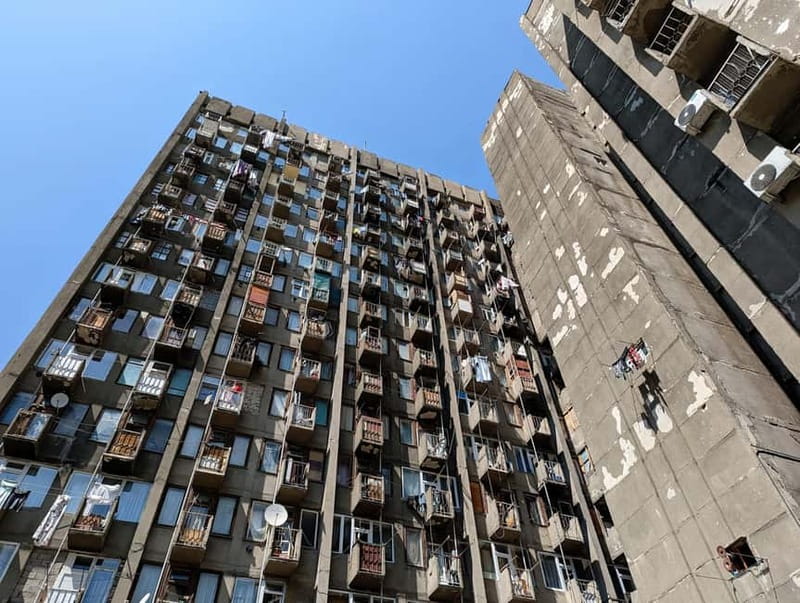
The Skybridge is one of the tour’s key stops. Even its name suggests the ambition behind it: a structure designed to link spaces while creating a striking visual statement.
Your guide can help you look beyond the shape itself. A bridge is practical, but a bridge can also represent progress, connection, and confidence in the future. Soviet public architecture often carried that double meaning. It had a daily function, yet it also projected an image of a society moving toward something larger.
This is where a good guide matters. Without context, an unusual concrete structure may be only an unusual concrete structure. With explanation, you begin to notice how scale, access, materials, and placement shape the message. You may also see why certain buildings are difficult to preserve. Large structures cost money to maintain, and changing city needs can put them at risk.
Bring your camera, but do not rush this stop. The value is in understanding the design as part of Tbilisi’s wider story, not simply collecting another dramatic photograph.
The Wedding Palace, viewed from outside
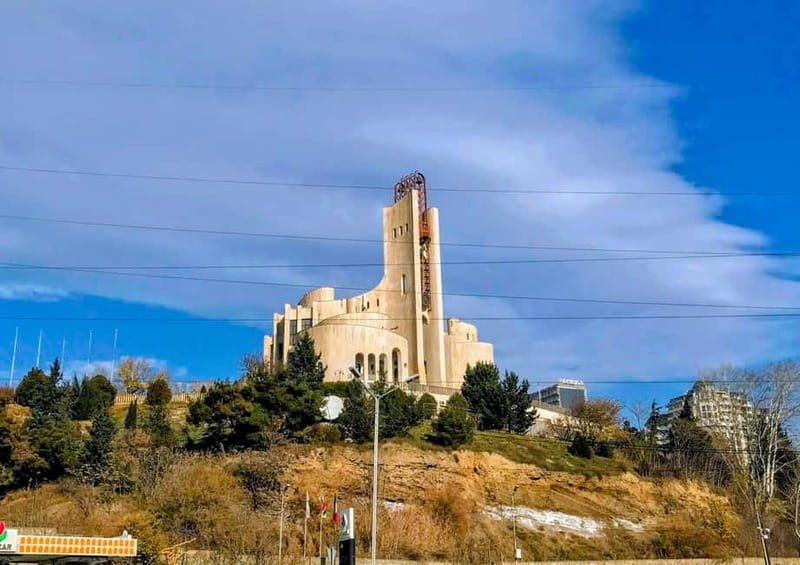
The Wedding Palace is one of the most intriguing buildings on the route. Its design challenges ordinary expectations about what a ceremonial building should look like. Instead of relying on familiar classical decoration, it uses striking modern forms to give a civic occasion a bold setting.
The tour treats the building as an architectural work and as a place connected with private lives. Weddings are personal, but a state-era Wedding Palace also carried a public message. It helped turn a major life event into a formal civic ritual.
There is an important limitation here. You cannot enter the grounds or interior during this tour. You will observe the Wedding Palace from outside while your guide explains its design and importance. If interior access is essential to you, this may feel like a missed opportunity. If you are happy to study the exterior, the stop still has real value, especially with a guide who can explain details you might otherwise overlook.
One past visitor found this building among the most memorable parts of the experience, along with the Skybridge. That makes sense: both structures show how architecture can express ideas about society, ceremony, and the future.
A completely different kind of day:
- From Tbilisi: Kakheti Wine Region Tour with 9 Wine Tastings
★ 4.9 · 2,541 reviews - Tbilisi: Mtskheta, Jvari, Gori and Uplistsikhe Day Tour
★ 4.9 · 2,396 reviews - From Tbilisi to Kazbegi, Ananuri, Gudauri & Gergeti
★ 4.9 · 2,278 reviews - Tbilisi: Kakheti Wine Region Tour with 10 Wine Tastings
★ 5.0 · 2,160 reviews
Crematorium architecture and a cemetery setting
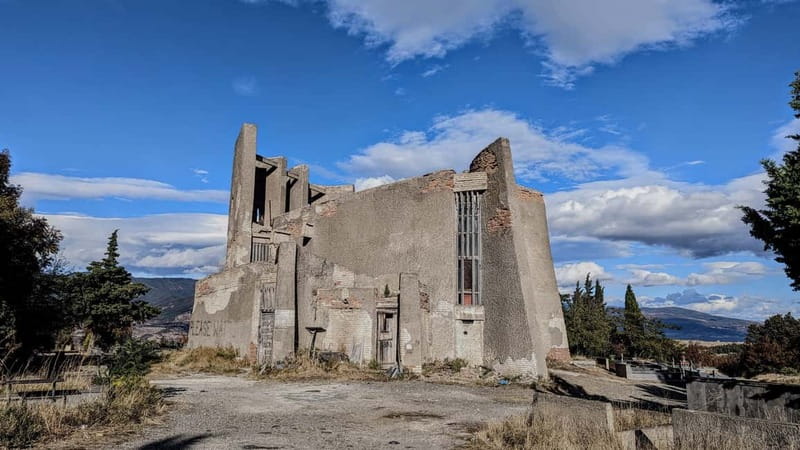
The crematorium is located in a cemetery, which gives this part of the outing a different mood. The setting is quieter and more reflective than a central city street, and the building’s purpose adds weight to its design.
The crematorium is not simply treated as an odd Soviet building. Its location and function raise questions about death, ritual, public policy, and changing social customs. Architecture can reveal what a society accepts, promotes, or tries to make visible. A crematorium linked to a cemetery is therefore a useful place to consider how public buildings carry cultural meaning.
You should be prepared for the setting. This is not a light stop, and it may not suit everyone. The tour information also says that people with a cold, those without experience, and people with mobility impairments may find the activity unsuitable. That wording suggests you should be comfortable walking through varied places and handling a tour that may include rough or dirty conditions.
Wear shoes with good support. Clothes that can get dirty are recommended, which tells you more than any polished description could. This is not a carefully controlled museum visit from start to finish.
The Ministry of Roads and Soviet futurism
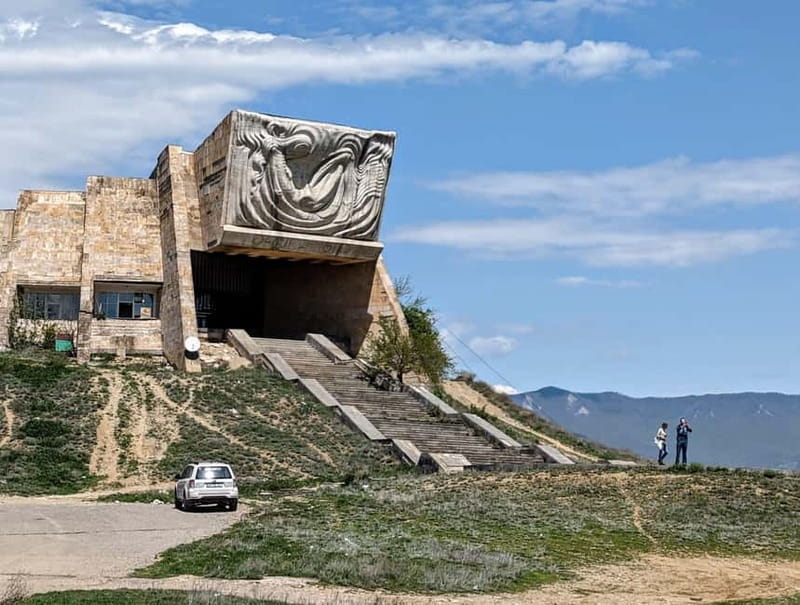
The Ministry of Roads is another major architectural attraction. Its futuristic form reflects a period when public buildings were expected to represent technical progress and national ambition.
The building invites you to compare the image of the future with the reality of the present. Soviet architects were not working only with plain blocks and repetitive housing. Some were given room to create dramatic structures that still look unusual decades later.
Your guide will help connect the building’s appearance with its original purpose. That connection is useful because a striking design can lose its meaning when you do not know what happened inside. The Ministry of Roads becomes more than a photograph when you understand how architecture, administration, and ideology worked together.
This is also a good stop for anyone interested in city planning. The experience does not focus only on individual buildings. It considers how they fit into Tbilisi, how people moved around them, and how old urban plans continue to affect daily life.
The archaeological museum and its mysterious dungeon
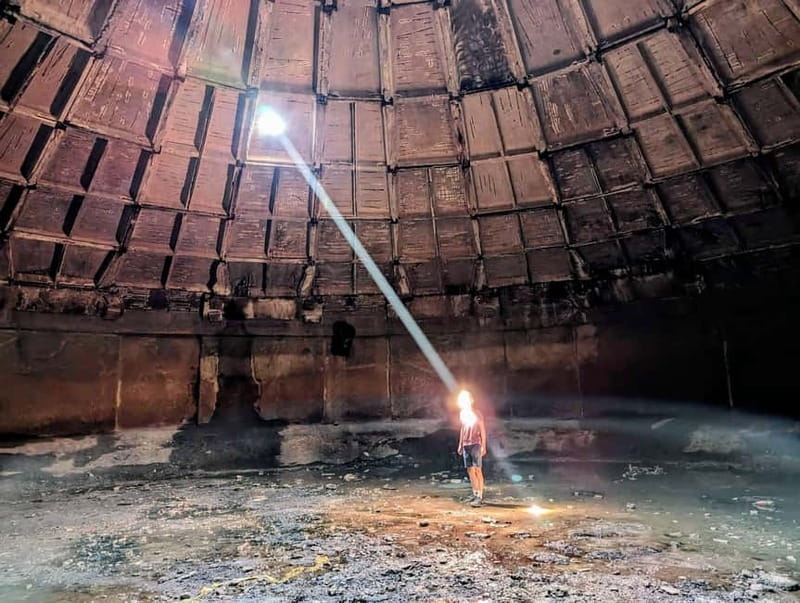
The archaeological museum adds another layer to the day. Here, modern architecture meets older material history, creating a sharp contrast between the building’s design and the objects or stories connected with the past.
The mention of an enigmatic dungeon makes this stop especially unusual. It is the kind of detail that gives the tour a sense of exploration without pretending that every location is a conventional attraction. You may find the museum interesting not only for its exhibits but also for the way the building holds traces of different periods.
This stop helps prevent the tour from becoming a parade of brutalist exteriors. You are moving between architecture, archaeology, memory, and the practical question of what happens to older places when a city changes.
Access can vary across the route. If a particular location cannot be entered or visited because of circumstances on the day, an alternative site of equal interest is included. That flexibility is useful, though it means you should not treat every listed stop as guaranteed.
What the guide adds to the buildings
The strongest reason to book this tour is the guide. The buildings are unusual, but unusual buildings can be difficult to understand without local context.
Alex has been praised for explaining urban architecture and the evolution of cities with real enthusiasm. Khato brings humor and a friendly manner while connecting design with local and personal history. Khatuna is known for sharing both architectural background and glimpses of everyday Georgian life.
Those differences matter. A purely academic talk can become tiring after several hours. A guide who knows how to tell a story can show why a building mattered to people who lived nearby, worked there, celebrated there, or watched it deteriorate.
The local food stop is a good example. During one tour, Alex introduced a visitor to a bakery known for khachapuri. That is a small detail, but it gives the day a human pause. Georgian cheese bread is also a welcome break from six hours of looking upward at concrete.
You should feel free to ask questions. The private format means the discussion can move toward Soviet life, city planning, architecture, local memories, or specific buildings instead of following a rigid group script.
Comfort, access, and the practical trade-offs
This is an active day, even though you are transported between sites. Comfortable shoes and weather-appropriate clothing are essential. You should also bring a camera and wear clothes that can handle dirt.
The activity is not suitable for wheelchair users or people with mobility impairments. Baby strollers and large bags are not allowed, and children under 12 cannot join. Pets are also not permitted.
The rules around the vehicle are firm. Smoking, alcohol, drugs, and intoxication are not allowed. Party groups are not accepted, which fits the thoughtful and serious nature of the experience.
Some locations may not be accessible because of circumstances beyond the operator’s control. The alternative-site policy softens that risk, but it does not remove it. If you have your heart set on one specific building, ask about current access before booking.
Free cancellation is available up to 24 hours in advance for a full refund, and you can reserve now and pay later. Those terms make planning easier, especially if your Tbilisi schedule is still changing.
Who will get the most from six hours of concrete?
I would recommend this experience to you if you enjoy architecture, urban planning, photography, Soviet history, or places that sit outside the normal sightseeing circuit. It is also a good choice if you have already seen Tbilisi’s Old Town and want a different view of the city.
You do not need to be an architect. You do need patience and curiosity. The tour asks you to look carefully, listen to explanations, and accept that some of the most interesting places may be worn, inaccessible, or less polished than a normal attraction.
It is less suitable if you want a relaxed sightseeing drive, a child-friendly outing, or a tour centered on famous historic monuments. It may also feel too expensive if you are traveling alone on a tight budget, though the private format makes the cost easier to justify for two people.
The best mindset is to expect questions rather than a checklist. Why was this building made? What did it mean at the time? What does its condition say now? That is where the experience earns its price.
Should you book Hidden Tbilisi?
Book it if you want to see the Tbilisi that rarely appears in a standard guidebook. The Skybridge, Ministry of Roads, crematorium, Wedding Palace, archaeological museum, and dungeon offer a striking set of contrasts, and the local guides add the context that makes those places matter.
I especially like the balance between architecture and human stories. The tour is not only about concrete forms. It also touches ceremonies, work, death, public life, memory, and the way ordinary people experienced a changing city.
Skip it if you dislike walking on uneven ground, cannot manage a six-hour outing, or need guaranteed interior access. For everyone else, especially two people sharing the $176 group price, this is one of the more distinctive ways to understand Tbilisi beyond its famous center.
FAQ
How long does Hidden Tbilisi last?
The tour lasts six hours.
What is included in the price?
Hotel pickup and drop-off from an address in Tbilisi, transportation, and a live English-speaking guide are included.
Is this a private tour?
Yes. The experience is offered as a private group tour for up to two people.
Can I enter the Wedding Palace?
No. Entry to the Wedding Palace grounds and interior is not possible during this tour. You will view it from outside while learning about its architectural importance.
What happens if a site is inaccessible?
If circumstances prevent access to a planned location, an alternative site of equal interest is included in the route.
What should I bring?
Bring comfortable shoes, comfortable and weather-appropriate clothing, a camera, and clothes that can get dirty. Large bags, luggage, pets, and baby strollers are not allowed.
Just added in Tbilisi
- Wine Tasting feel the Difference of Qvevri or Classical Wine★ 4.4 · 10 reviews
- From Tbilisi: Kakheti and Kazbegi 2-Day 4X4 Jeep Tour pack★ 5.0 · 6 reviews
- Walking Tour in Old Tbilisi – Group Tour★ 4.5 · 8 reviews
- Uforgatable Kakheti Tour with wine tasting – in Georgia★ 4.9 · 5 reviews
- From Tbilisi: Uplistsikhe Caves and Mtskheta Town Day tour★ 5.0 · 2 reviews
- Tbilisi: Vintage Fashion and Secondhand Thrifting Tour★ 5.0 · 11 reviews
- Tbilisi Airport to Gudauri, Bakuriani, Batumi, Tbilisi★ 5.0 · 3 reviews
- Private Adorable City Tour of Tbilisi★ 5.0 · 3 reviews
Tbilisi Tours, compared.
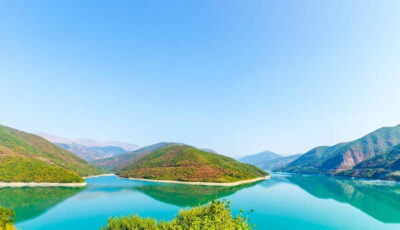
Day Trip to Kazbegi, Gudauri, Gergeti, and Ananuri
Read our review →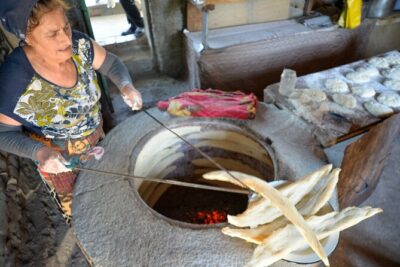
Day Trip to Kakheti Wine Region Including 9 Wine Tastings
Read our review →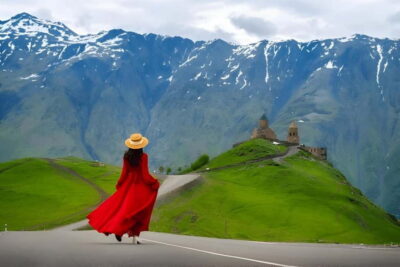
Highlights of Caucasus Mountains-Jinvali,Ananuri,Gudauri,Kazbegi(Group tour)
Read our review →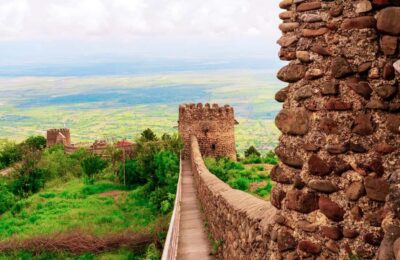
Kakheti Wine Region Tour with 9 Wine Tastings
Read our review →
Mtskheta, Jvari, Gori and Uplistsikhe Day Tour
Read our review →
From Tbilisi to Kazbegi, Ananuri, Gudauri & Gergeti
Read our review →
Kakheti Wine Region Tour with 10 Wine Tastings
Read our review →